
Last updated November 25, 2026
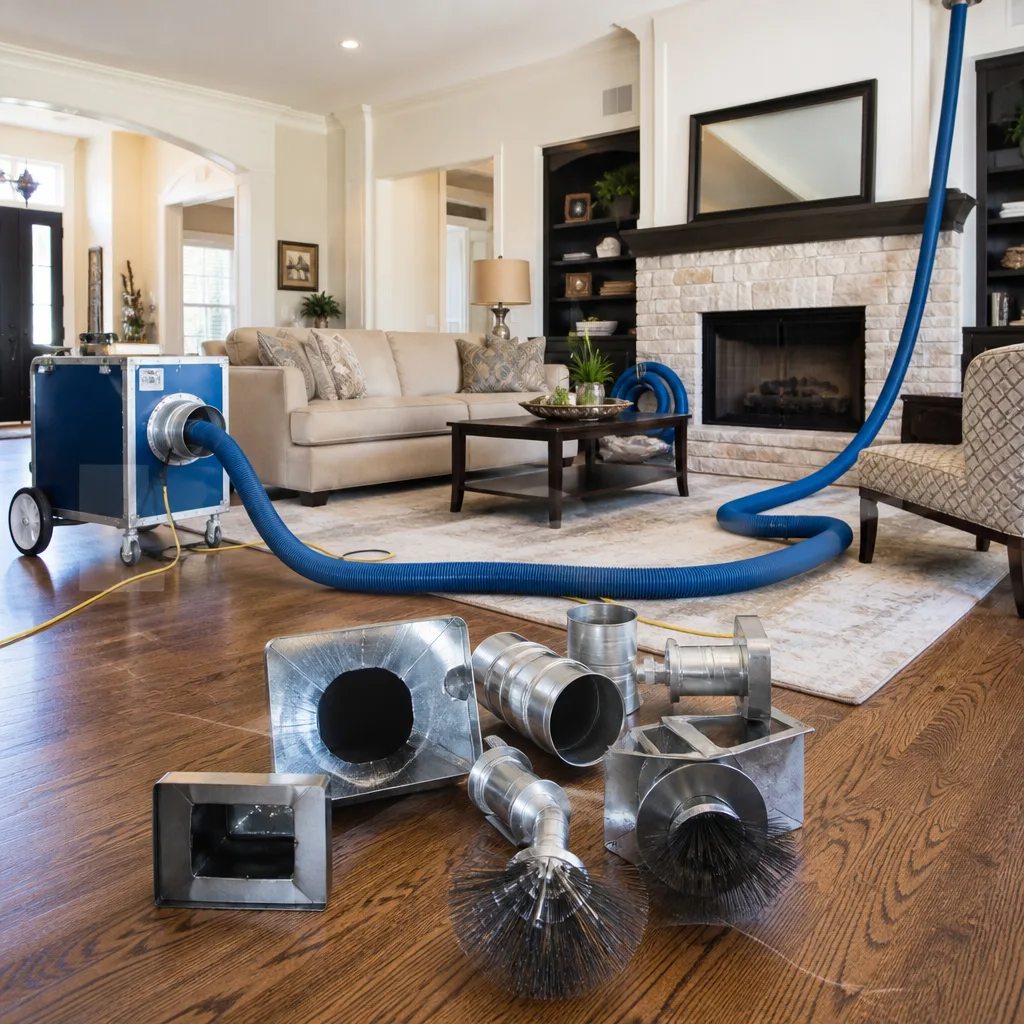 Whole-home duct cleaning
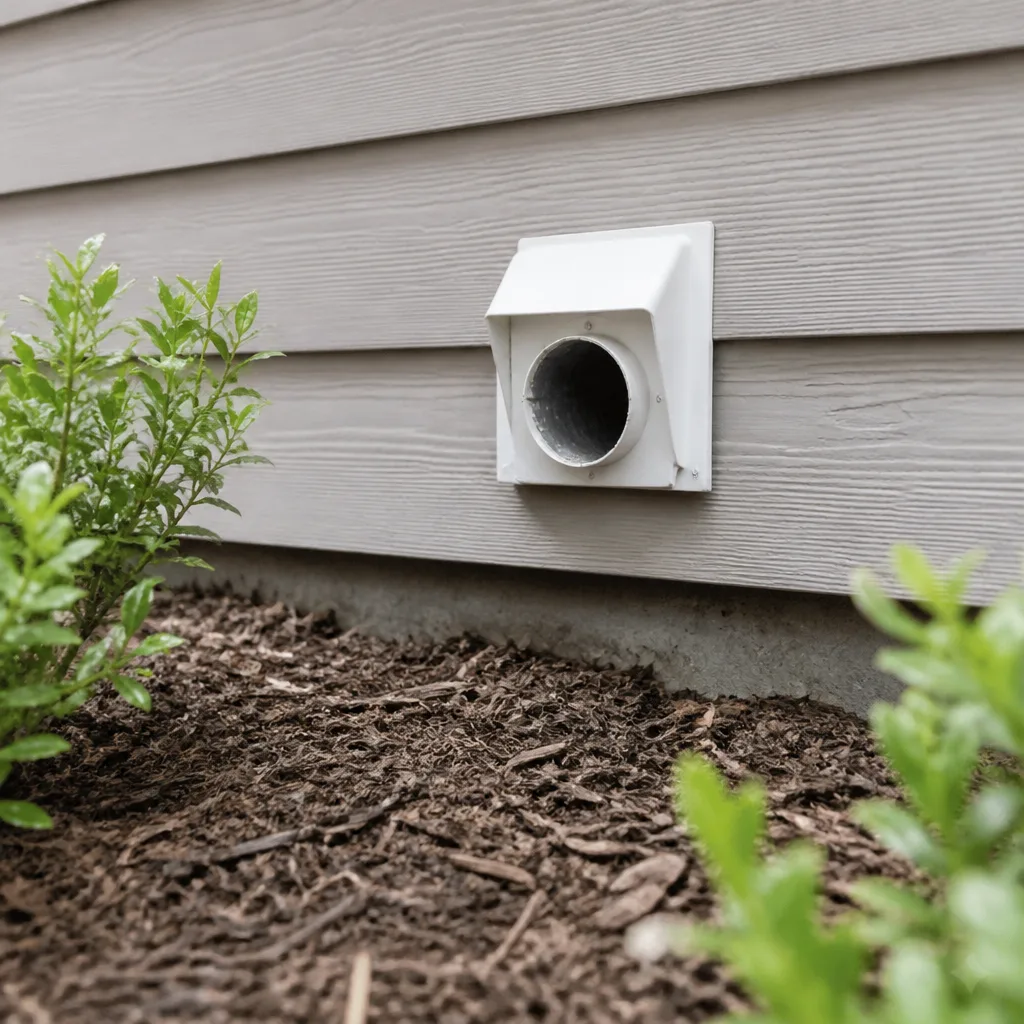 Dryer vent cleaning
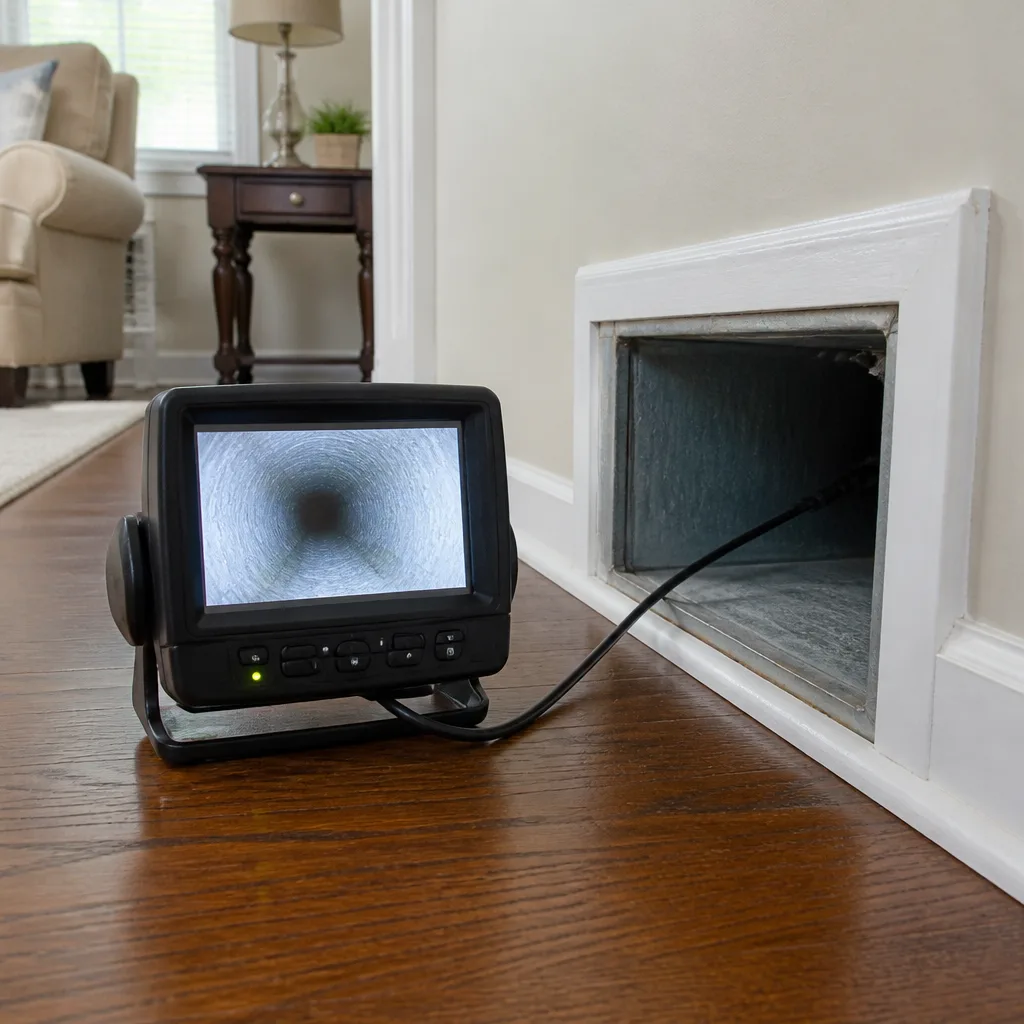 Camera inspection
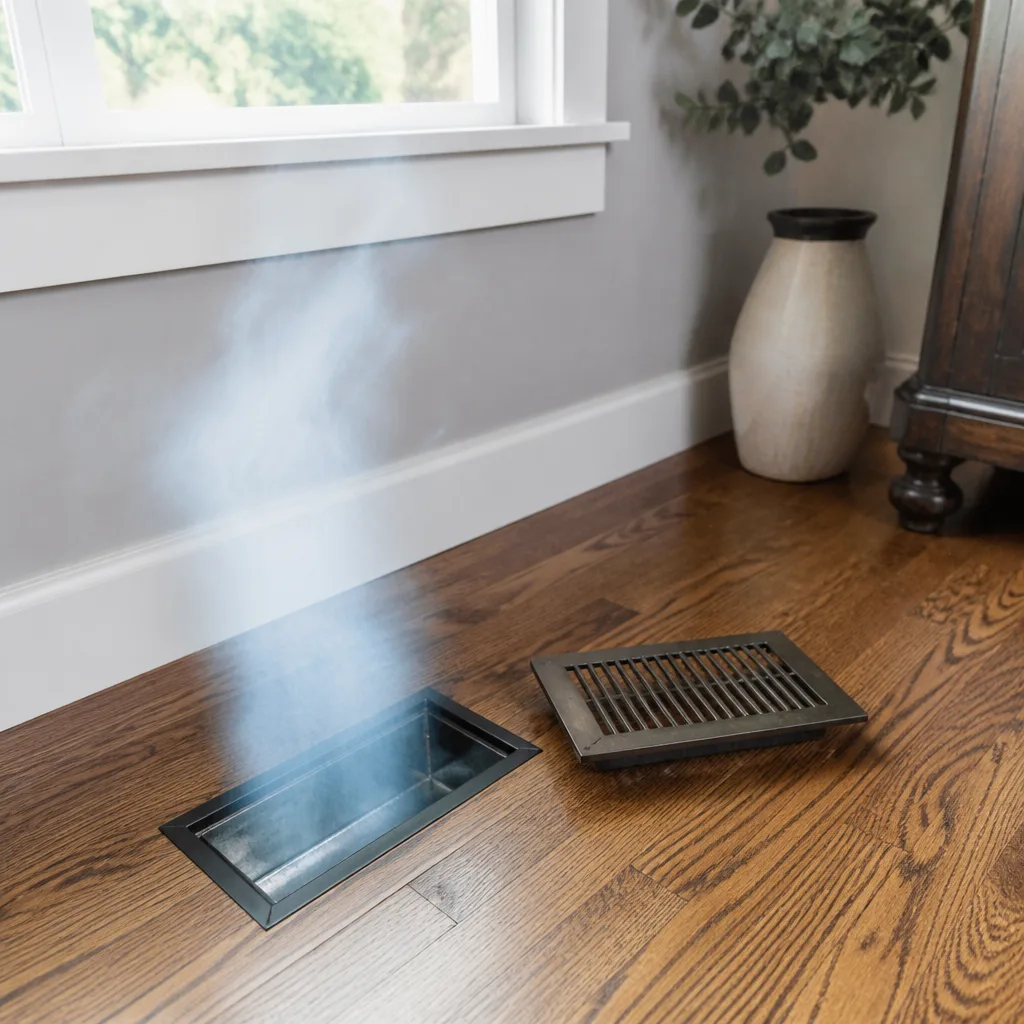 Sanitizing & deodorizing
Whole-system duct and dryer vent check with before-and-after photos - you see exactly what came out of your vents
That "$99 whole-house special" is a bait ad - the real number appears once they are in your hallway, or the "clean" is a shop-vac at the register. We photograph the inside of your ducts before and after instead.
Air Duct Cleaning Cost Breakdown: The Costa Mesa Homeowner’s Reference for 2026
The ad says $89. By the time the technician packs up, the invoice reads $400, and you’re not entirely sure what you paid for. That’s not a duct cleaning – that’s a sales sequence with a vacuum attached. The low headline number isn’t a price, it’s a door opener, and everything after it is designed to make the real price appear in pieces. What follows is the breakdown the ads leave out: what a whole-system job actually involves in Costa Mesa, which cost drivers are legitimate and which are theater, what add-ons are worth paying for, and how to force every bidder to quote the same scope so the cheapest number stops looking like a bargain.
Quick Answer
Air duct cleaning in Costa Mesa typically runs $350 to $700 for a standard single-story home, $550 to $1,100 for a two-story home with longer supply trunks, and higher when access is tight or the system needs repair and sealing. The final price should be one flat figure per system, agreed in writing before any work starts, based on system size and access rather than a per-vent count.
Styles & brands we work with
- Whole-home duct cleaning
- Dryer vent cleaning
- Camera inspection
- Sanitizing & deodorizing
Table of Contents
- Why Per-Vent Pricing Is a Structurally Dishonest Model
- The Four Real Cost Drivers Behind Any Duct Cleaning Quote
- What Duct Cleaning Costs in Costa Mesa: Ranges by Home Type
- Add-On Services: Honest Ranges and When Each One Is Warranted
- Costa Mesa Factors That Change the Price
- How to Compare Quotes Apples-to-Apples
- What Equipment Should Show Up at Your Door
- How to Verify the Work Was Actually Done
Why Per-Vent Pricing Is a Structurally Dishonest Model
A per-vent price sounds fair until you understand what it’s designed to do. The vent count is a number the technician controls on site, the definition of “a vent” is elastic, and the base price is set low enough that the visit only becomes profitable through add-ons sold in your living room. The model doesn’t reward a clean job. It rewards a persuasive one.
Here’s the structural problem in plain terms: a per-vent quote prices the visible grilles, not the ductwork behind them. A register in a hallway wall might connect to eight feet of flex duct, or to thirty feet of trunk line running through an attic. Same grille, wildly different amount of work. Charging by the hole in the drywall tells you nothing about the system.
A legitimate quote is priced one of two ways:
- Flat rate per system – one figure for the whole air-delivery chain, agreed before work begins.
- System-size based – a range tied to the number of HVAC systems, approximate square footage served, and the linear footage of duct connected to them.
Both of those models price the work. Per-vent pricing prices the sales opportunity. When you request a quote for air duct cleaning, ask directly: is this a flat price for the system, and what exactly does it include? If the answer wanders toward “it depends how many vents we find,” you’ve learned what you need to know.
A real flat price covers the standard scope by default, not as an upgrade: negative-air extraction at the main trunk, contact cleaning of every branch run, the supply and return sides, register and grille removal and cleaning, blower compartment access, and a before-and-after photo record of your own system. Anything quoted separately should be a genuinely separate task – coil cleaning, sanitizing, a repair – not a piece of the basic job held back to sell back to you.
The Four Real Cost Drivers Behind Any Duct Cleaning Quote
What legitimately moves a duct cleaning price up or down comes down to four things. None of them is the number of vents.
1. System access complexity
How easily a technician can reach the trunk line, the plenum, and the blower determines labor time more than anything else. A system with accessible attic duct runs and a clear closet-mounted air handler is quick to set up. A system where the air handler sits in a tight interior closet, the trunk is boxed in behind drywall, or crawl access is cramped takes longer, and that time is real cost. In Costa Mesa, older tract homes often have attic runs that are workable but require careful containment setup so dust doesn’t migrate into living space.
2. Linear footage of duct
Feet of ductwork, not vents, is the honest measure of scope. A compact single-story home may carry well under a hundred feet of connected duct; a sprawling two-story with long supply trunks can carry several times that. Longer runs mean more cleaning passes and more negative-air hose management – straightforward, predictable cost.
3. Duct material type
- Sheet metal – the most durable and generally the most forgiving to clean. Contact cleaning with rotary equipment works well, and results are easy to see.
- Flex duct – common in attic retrofits. It requires gentler rotary action so the inner liner isn’t damaged, which is slower going.
- Ductboard – rigid fibrous board with an interior facing that can be damaged by aggressive brushing. It’s the material that most separates a careful operator from a fast one, and it’s worth asking how your duct is built before you accept a quote.
4. Equipment required
The right job calls for both contact cleaning and negative-air extraction working together. Rotary brush and whip systems loosen debris from the duct walls; a negative-air machine holds the system under vacuum so that debris leaves the house instead of settling into your rooms. On jobs involving visible contamination, musty odor, or post-renovation dust, containment-grade negative-air equipment is what keeps the job safe. Companies running a single shop vacuum and a spinning brush can’t replicate that, and their prices reflect it – sometimes by being unusually low.
What Duct Cleaning Costs in Costa Mesa: Ranges by Home Type
These are typical ranges for whole-system cleaning in the Costa Mesa market, not teaser prices and not per-vent figures. Every job is different, and the written estimate you receive on site sets the final price.
| Home / System Type | Typical Range | What Drives It |
|---|---|---|
| Single-story home, one HVAC system, accessible attic runs | $350 – $700 | Standard scope, straightforward containment setup |
| Two-story home, longer supply trunks | $550 – $1,100 | Additional linear footage, more hose management |
| Multiple HVAC systems | Quoted per system | Each system is priced as its own job |
| Ductboard or tight-access layouts | Higher end of range | Careful rotary action, slower passes |
| Duct repair and sealing, when needed | Quoted separately | Scope depends on what’s found during cleaning |
A few honest notes on that table. A two-story home costs more than a single-story home of the same square footage because the duct runs are longer and the routing is more complex, not because the company is charging you for stairs. Multi-system homes are priced system by system because each one is cleaned, contained, and documented on its own terms. And anything found during cleaning – a disconnected run, a crushed flex section, a torn ductboard seam – gets quoted as repair work before it’s done, not folded into a surprise line item afterward.
What you should not see: a per-vent line item, a “sanitizing package” bundled into the base price whether you need it or not, or a square-foot multiplier applied at the end of the visit. A quote should be complete before work starts. One flat price per system. That’s the structure, and you’re entitled to it.
Add-On Services: Honest Ranges and When Each One Is Warranted
Add-ons aren’t automatically a scam – some jobs genuinely need them. The problem is when they’re sold to every customer at every visit regardless of condition. Here’s what each one actually does and when it’s warranted.
Evaporator coil cleaning
Typical range: $150 – $350, depending on coil accessibility. The evaporator coil sits wet through the cooling season here, and a damp coil collects dust that turns into a matted layer over time. That layer cuts airflow and efficiency. It’s warranted when the coil is visibly fouled, when airflow at the registers feels weak despite clean ducts, or when the system has been run for years without coil service. It is not warranted on a coil that was cleaned recently. Coil work is part of what we handle under HVAC cleaning, and we show you the coil condition before recommending it.
Blower wheel service
Typical range: $100 – $250. The blower wheel is the fan that moves air through your whole system. Its blades collect dust and, once caked, become unbalanced and noisy and move less air. It’s warranted when you hear a rhythmic rumble or vibration, or when the wheel is visibly loaded up. Many “duct cleaning specials” quietly skip the blower entirely, which is a problem, because dirty ducts feeding a dirty blower is only half a job.
Sanitizing
Typical range: $100 – $300, whole system. Sanitizing is warranted after mold remediation, after an animal intrusion, after water damage, or when a persistent musty odor survives cleaning. It’s not warranted on every routine job, and anyone who tells you otherwise is selling a product, not solving a problem. Our service uses Guardsman products as a named, traceable disinfection step, applied as the closing stage of an eligible job, with the product identified to you.
Dryer vent cleaning
Typical range: $125 – $250. A separate air pathway, a separate job, and a genuine fire-safety concern. Lint accumulation in the dryer exhaust is a real hazard, and a duct cleaning visit is a sensible time to handle it. It’s priced as its own service, never tacked on as a mystery fee. Details are on our dryer vent cleaning page.
Costa Mesa Factors That Change the Price
Costa Mesa housing stock isn’t uniform, and the local details below are the ones that most often move a quote.
Older tract home layouts with attic duct runs
Much of Costa Mesa’s residential stock is tract-built, and the classic layout routes duct through the attic above a fairly low ceiling. That’s workable, but it means containment has to be established carefully at the air handler and every accessible trunk point before extraction begins. A company that skips the setup phase isn’t saving you money, it’s saving itself time at your expense.
Two-story systems with long supply trunks
Two-story homes in Costa Mesa frequently run a single trunk up through the structure with long branch runs feeding the upper floor. That extra footage is the single biggest reason a two-story job prices above a single-story one, and it’s why any honest quote asks about your layout before giving a number.
Crawl space access
Costa Mesa has homes with pier-and-beam construction and crawl space duct routing, particularly in some of the older neighborhoods near the Westside and the Eastside. Crawl space work is not inherently harder, but the access is a real variable: clearance height, distance to the trunk, and hose routing all affect setup time and labor.
The climate itself
Costa Mesa’s mild, dry summers and mild winters mean the HVAC system often runs less than in hotter inland areas, which cuts one way and the other. Less runtime means less dust pulled into the system, but it also means problems can sit unnoticed for years, because the system is quiet for long stretches. Mild winters also mean a system sitting idle doesn’t get the periodic airflow that helps keep a duct system dry. When a musty smell turns up in a Costa Mesa home, that’s usually the reason: moisture found a way in and the system wasn’t moving enough air to dry it out. Diagnosing that honestly is more useful than spraying something over it.
Renovation and construction dust
A remodel in a Costa Mesa home kicks construction dust into the return system whether or not the HVAC is running. If you’ve had work done recently, a post-construction cleaning – with containment-grade negative-air equipment – is a different job from routine maintenance, and it’s priced accordingly. This is exactly the kind of work that separates a full-scope operator from a coupon-driven one.
How to Compare Quotes Apples-to-Apples
Quotes come in different shapes, and a low number can hide a scope so thin it’s not comparable. The fix is to make every bidder price the same job.
- Write down your system details. Number of HVAC systems, approximate square footage served, one-story or two, and where the air handler sits.
- Ask each bidder for a flat price per system. Not per vent, not per square foot, not an introductory figure. If they can’t give one, they’re not pricing the work.
- Demand the scope in writing. It should state, line by line, whether each of these is included: contact cleaning of trunk and branches, negative-air extraction at the plenum, register and grille removal and cleaning, blower compartment access, and before-and-after photo documentation.
- Ask what happens if they find a problem. Repair and sealing should be quoted before it’s done, in writing, and you should have the option to decline.
- Ask which equipment they’re running. Rotary brush systems, negative-air machines, or both. Make them name the equipment.
- Ask who does the documented disinfection step and with what product. A named, traceable product is answerable; a vague “antimicrobial treatment” isn’t.
- Compare the scope, not the total. A quote that omits blower access and photo documentation isn’t lower, it’s smaller. That’s the whole point.
Do this with three bids and the gap usually collapses. The coupon price is exposed because it never included the work you’re actually paying for. Whatever you do, don’t let a quote be settled by whoever knocks on the door first – and be wary of any bidder reluctant to put a scope in writing. That reluctance tells you exactly what you need to know.
What Equipment Should Show Up at Your Door
Equipment is the one part of a duct cleaning quote that’s hardest to fake, because you can see it. Here’s what legitimate cleaning actually requires.
Two methods need to work together: contact cleaning to break debris loose from the duct walls, and negative-air extraction to pull it out of the system and into a HEPA-filtered collection unit instead of into your living space. We run both. Rotobrush and Nikro systems cover the contact-cleaning side, and the extraction side uses a truck-mounted or portable negative-air unit that holds the system under vacuum throughout. You should see both machines.
For jobs that go past routine dust – visible mold, an animal intrusion, or post-renovation contamination – containment-grade negative-air equipment matters. Abatement Technologies machines are the category used in professional remediation work, and they’re what keeps containment tight when the debris load is high. If your job involves any of that, ask whether the bidder carries that class of machine. If they don’t, their quote is for a different job than the one you need.
For filtration and humidity, we install Honeywell and Aprilaire solutions – a filtration upgrade or a humidity control add-on that can be installed as part of the same visit, once cleaning is finished and the air pathway is clean. That sequencing matters: adding filtration ahead of cleaning is putting a filter in front of a dirty pipe.
How to Verify the Work Was Actually Done
The industry’s second-biggest problem, after bait-and-switch pricing, is proving the work happened. You can’t see inside a duct, so the job should be documented. Before any cleaning starts, the technician should photograph your system as found – the trunk, the branches, the coil, the blower. Afterward, the same locations again, with the same framing. Side by side, the difference is obvious. If a bidder won’t commit to before-and-after photos of your own system, that’s your answer.
Ask to see what they found before any extra work begins. Then check that the return grille and register cleaning actually happened – lift a register and look. Ask about the documented disinfection step if you paid for it, and which product was used. Note that our technicians have up to 9 years of experience, and our approach is to walk you through what we found before we touch anything. If a technician won’t take the time to show you, don’t let them clean anything.
Common Mistakes to Avoid
- Accepting a per-vent quote. It prices the grilles, not the ductwork, and puts the vent count in the seller’s control. Ask for a flat price per system instead.
- Comparing totals instead of scopes. The cheapest bid usually omits the blower, the plenum work, or the documentation. It’s not a better price, it’s a smaller job.
- Skipping the blower compartment. Cleaning the duct without touching the blower leaves the fan pushing newly-loosened dust right back through the system. Confirm it’s in scope.
- Paying for sanitizer as a default. Sanitizing is warranted after contamination, not on every visit. Ask why it’s being recommended and what product is being used.
- Not asking about duct material before the quote is issued. Ductboard and flex require careful rotary work, and a company that doesn’t ask is going to treat it like sheet metal. Tell them your duct type at the quote stage.
- Ignoring attic-run containment setup. In a typical Costa Mesa home with attic duct runs, setup is where dust control is won or lost. A technician who’s in and out in fifteen minutes hasn’t set up properly.
- Forgetting the dryer vent. It’s a separate run but a real fire hazard and a common add-on. Price it as its own service and don’t let it be folded in as a mystery fee.
See the difference
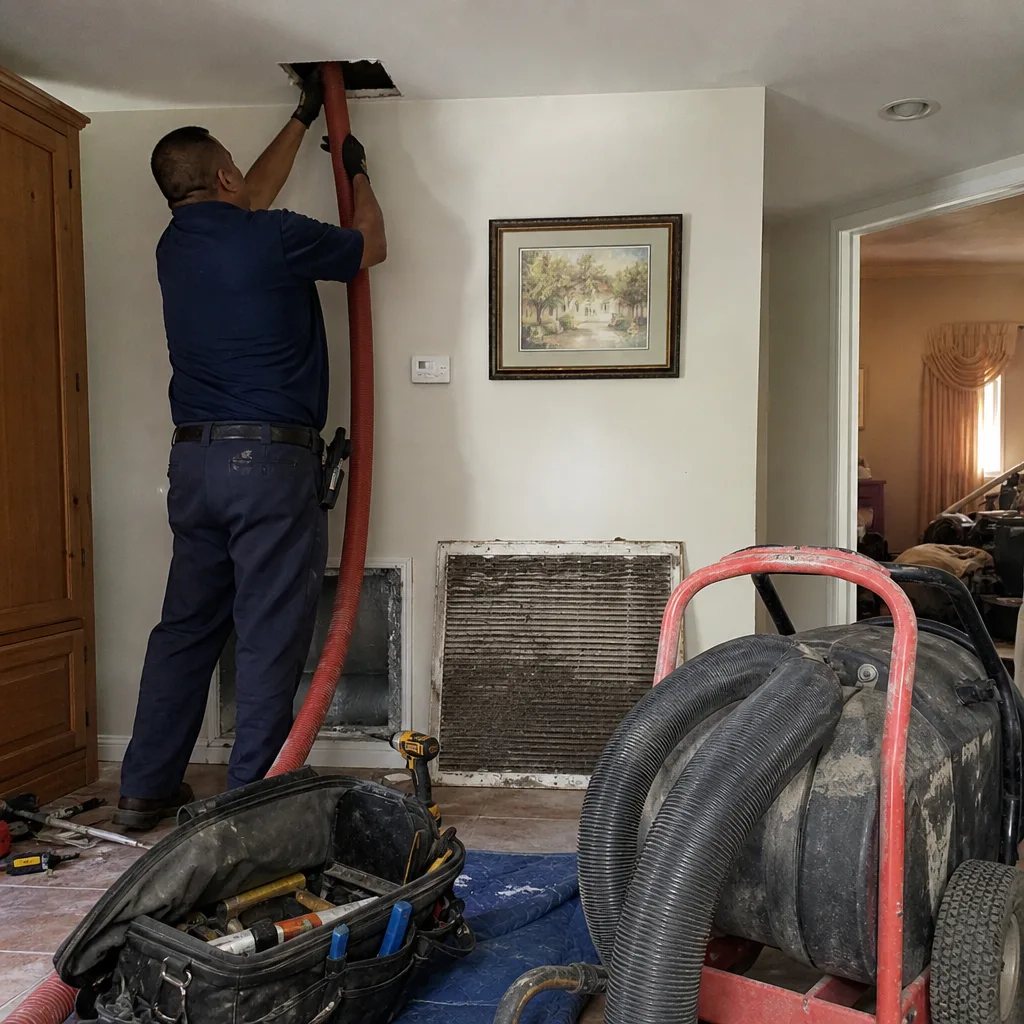 Before
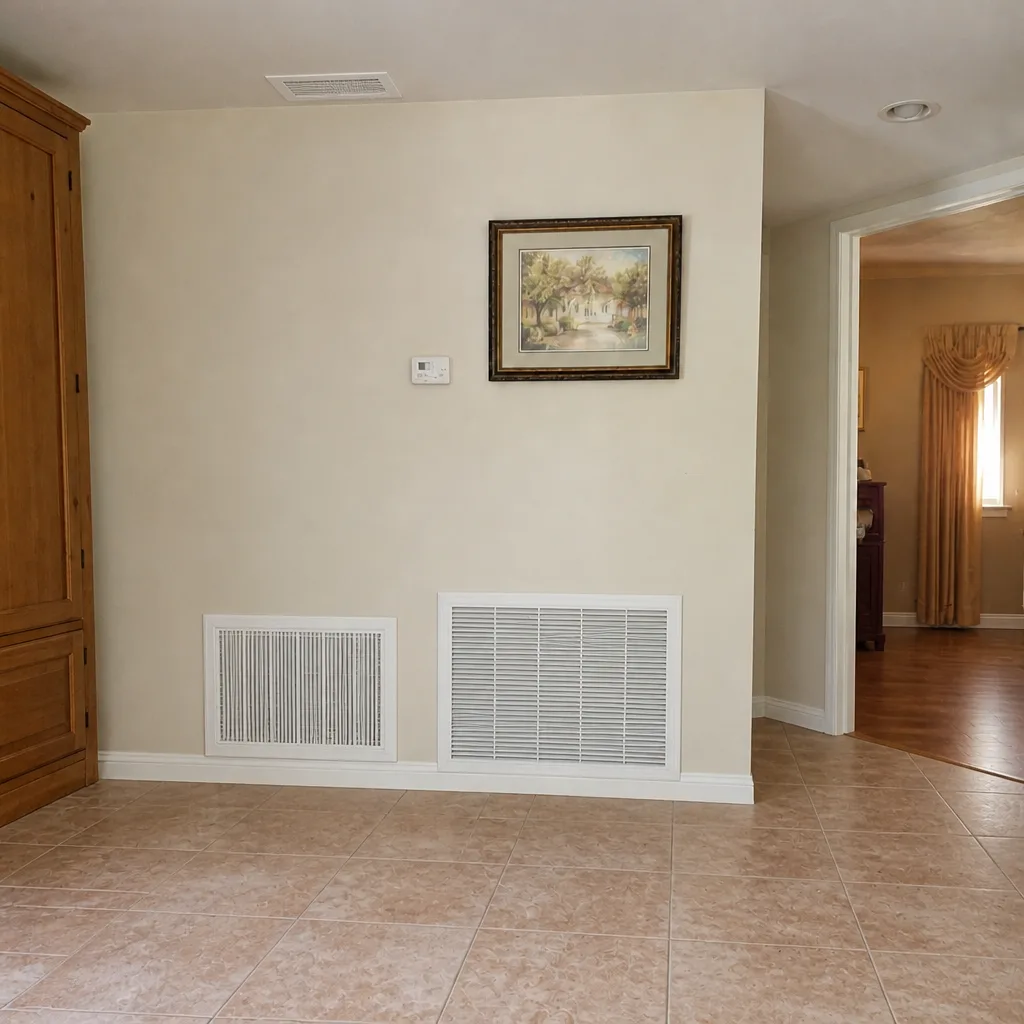 After
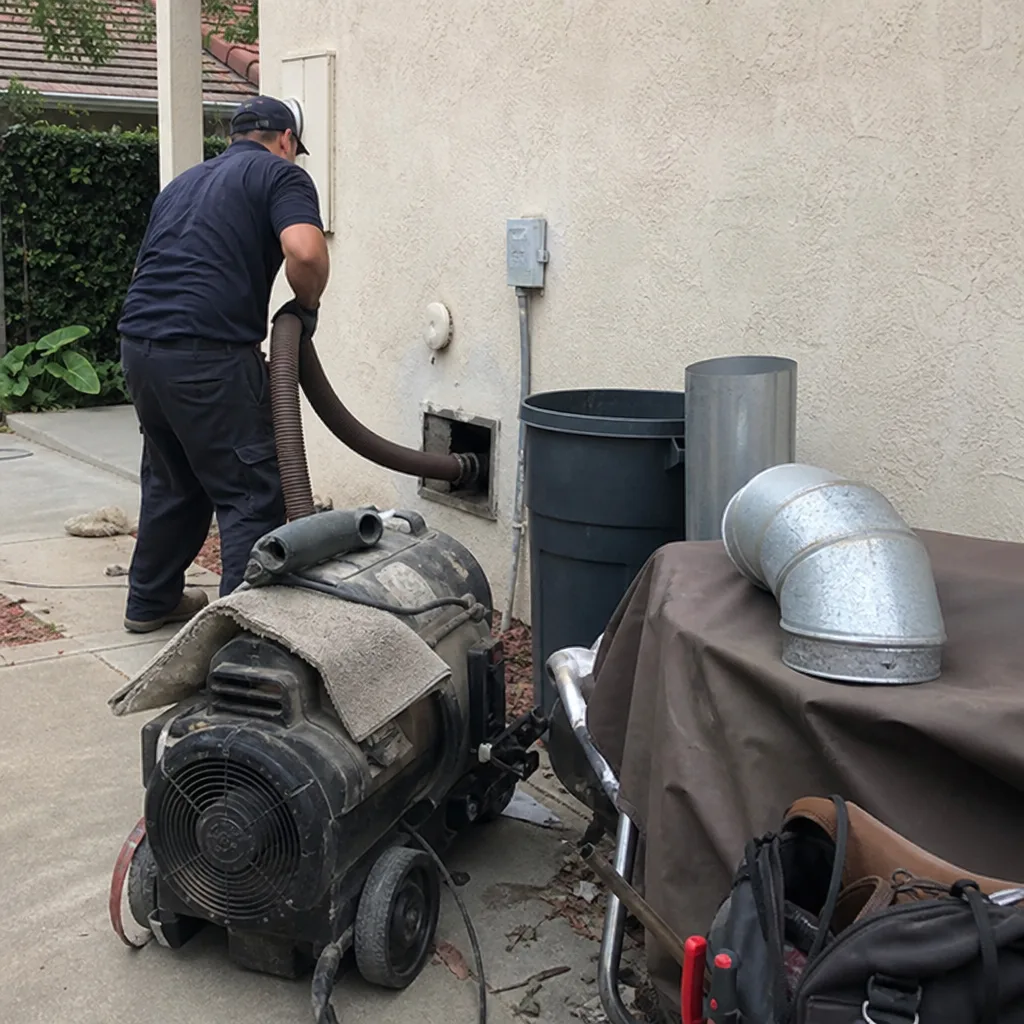 Before
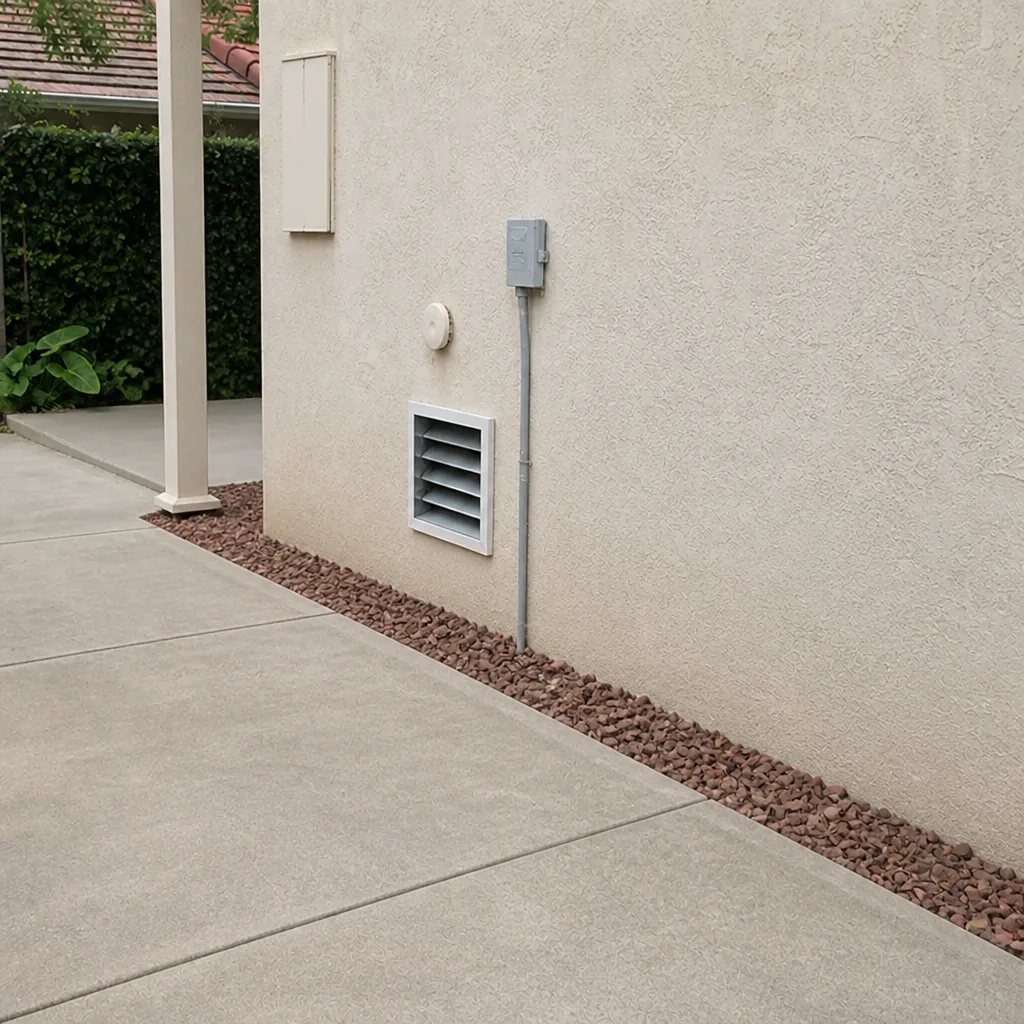 After
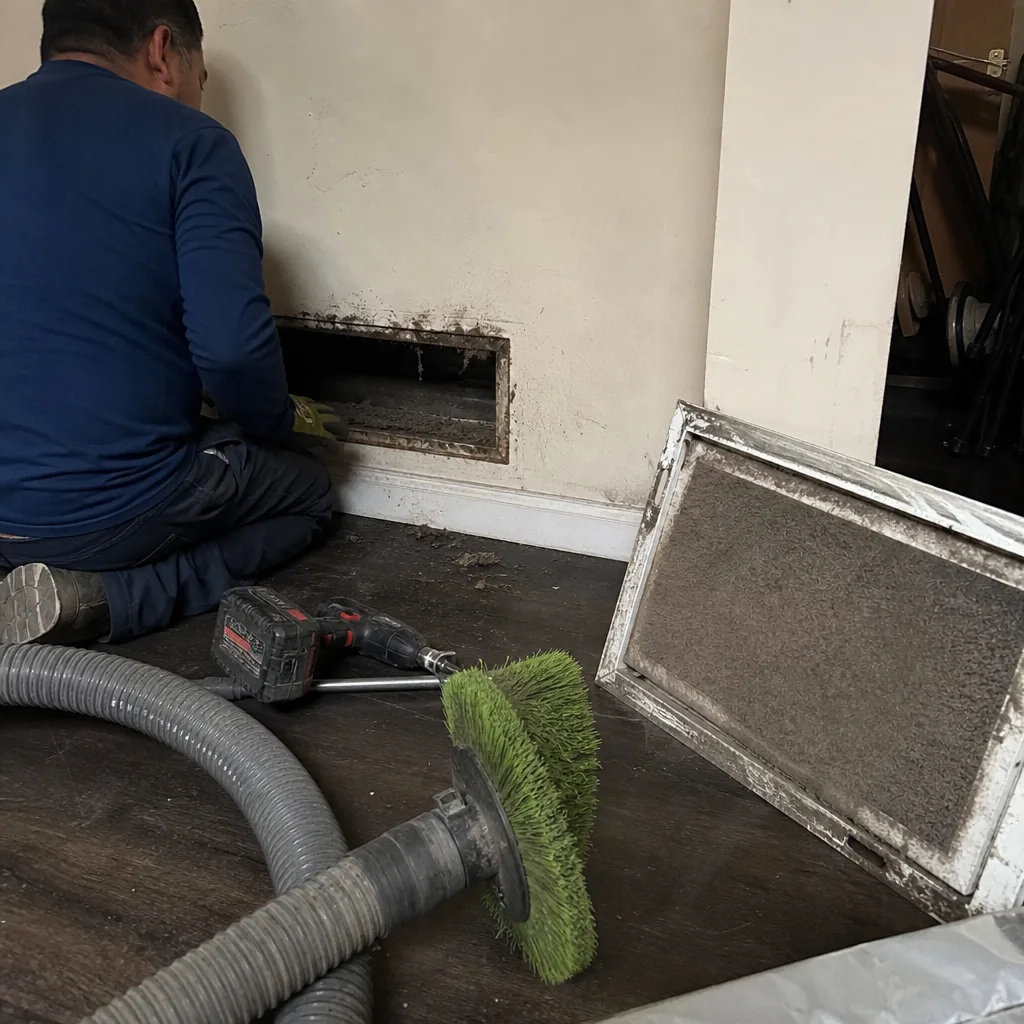 Before
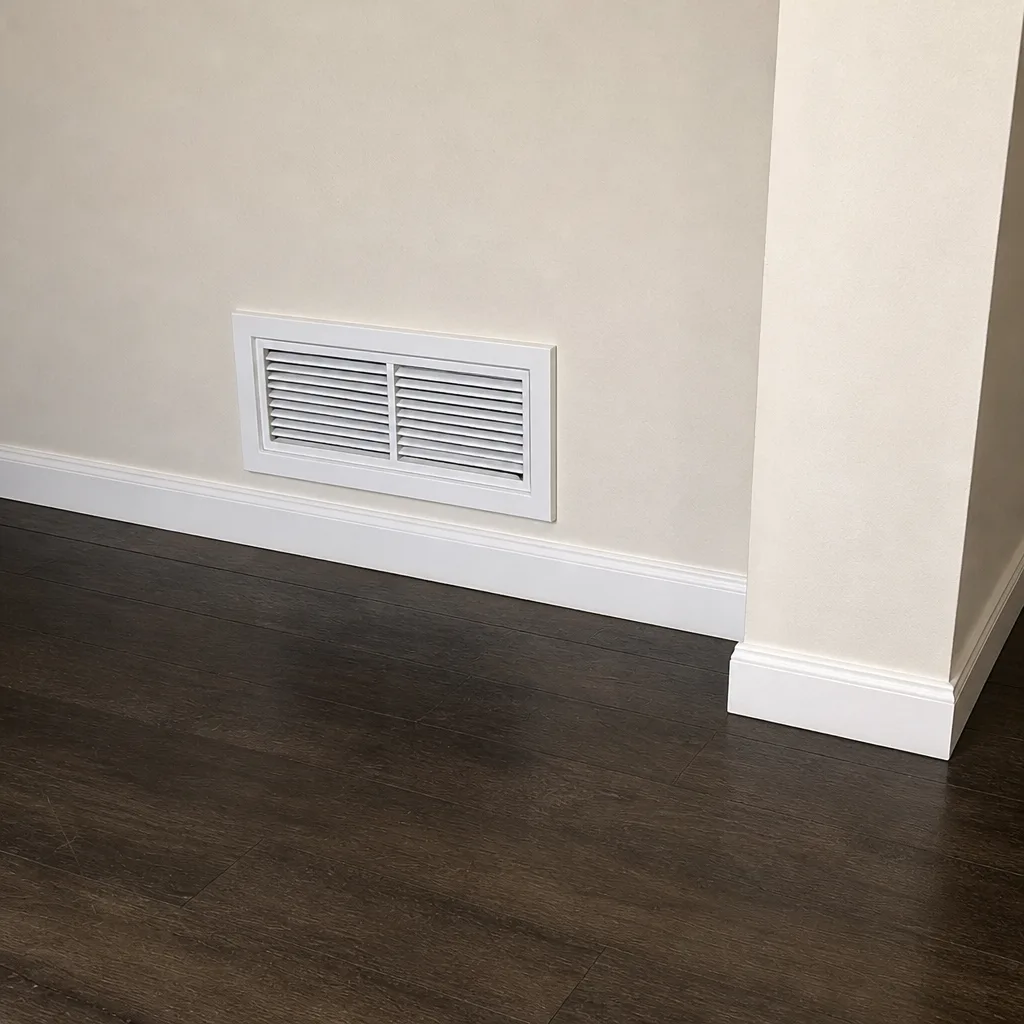 After
When to Call a Professional
Some jobs clearly call for trained equipment. If you’ve recently renovated and construction dust is still settling into the returns, if there’s a persistent musty smell when the HVAC kicks on, if you can see visible contamination or have had an animal get into the system, or if airflow at the registers has dropped and the filter isn’t the culprit, those are jobs for someone with negative-air containment, not a shop vacuum. Duct repair and sealing after damage, and post-remediation cleaning, are also professional jobs. Costa Mesa Air Duct Cleaning Co offers free estimates in Costa Mesa – call (855) 337-2150. We answer 24/7. Fast dispatch from 7am to 7pm, Sunday through Friday. Our technicians have up to 9 years of experience, and every estimate is a flat price per system, in writing, before any work starts.
Frequently Asked Questions
Expect $350 to $700 for a typical single-story home, $550 to $1,100 for a two-story home with longer duct runs, and more for tight access or repair work. These are typical ranges – your written estimate sets the final price. Call (855) 337-2150 for an exact quote, and estimates are free.
Because they’re not the same job. A very low figure is often a per-vent starting point that grows on site once sanitizer, dryer vent, coil work, and a treatment product are added. A legitimate quote is a flat, complete scope before work begins. Call (855) 337-2150 for an estimate that’s complete from the start.
By before-and-after photos of your own system – the trunk, branches, coil, and blower, shot at the same framing. Ask to see the as-found photos before any cleaning starts, and check the result after. If your bidder won’t commit to documentation, choose another. Call (855) 337-2150 for an estimate with documentation included.
Most homes don’t need it on a fixed schedule – every few years is common, and sooner after a renovation, a water issue, an animal intrusion, or when you notice a musty smell or weak airflow. In Costa Mesa’s mild climate, systems often sit idle for long stretches, so problems can go unnoticed. Call (855) 337-2150 to discuss whether your home needs it now.
Usually, yes – longer supply trunks and more complex routing mean more linear footage and more setup time. That’s the driver, not the staircase. Expect the $550 to $1,100 range. Call (855) 337-2150 for a flat price on your specific layout.
Contact cleaning of the trunk and branches, negative-air extraction at the plenum, register and grille removal and cleaning, blower compartment access, and before-and-after photo documentation. Coil cleaning, blower wheel service, and sanitizing are separate, genuinely optional add-ons. Call (855) 337-2150 and we’ll put the full scope in writing before anything starts.
The Bottom Line
The number on the ad is not a price. A real price is one flat figure per system, agreed in writing before work starts, based on system size, duct material, linear footage, and access – not on how many vents the technician can find. Expect $350 to $700 for a Costa Mesa single-story home and $550 to $1,100 for a two-story, with coil cleaning, blower service, sanitizing, and dryer vent cleaning as separate, honestly-priced add-ons when they’re actually needed. Insist on the scope checklist, insist on before-and-after photos, and compare work to work. Our role at Costa Mesa Air Duct Cleaning Co is to give you that flat number in writing and show you what we found before we clean it. Call (855) 337-2150 for a free estimate. We answer 24/7. Fast dispatch from 7am to 7pm, Sunday through Friday.
Written by the team at Costa Mesa Air Duct Cleaning Co.