
Last updated November 25, 2026
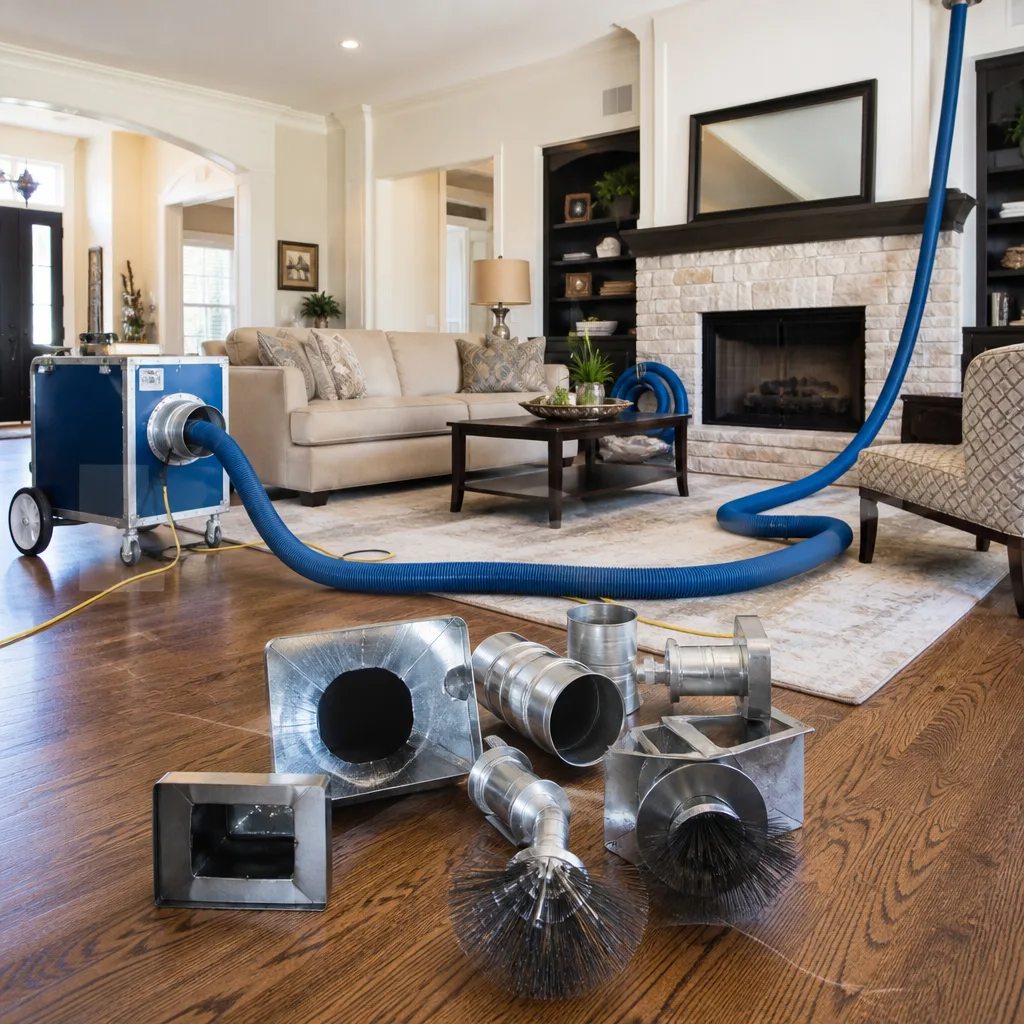 Whole-home duct cleaning
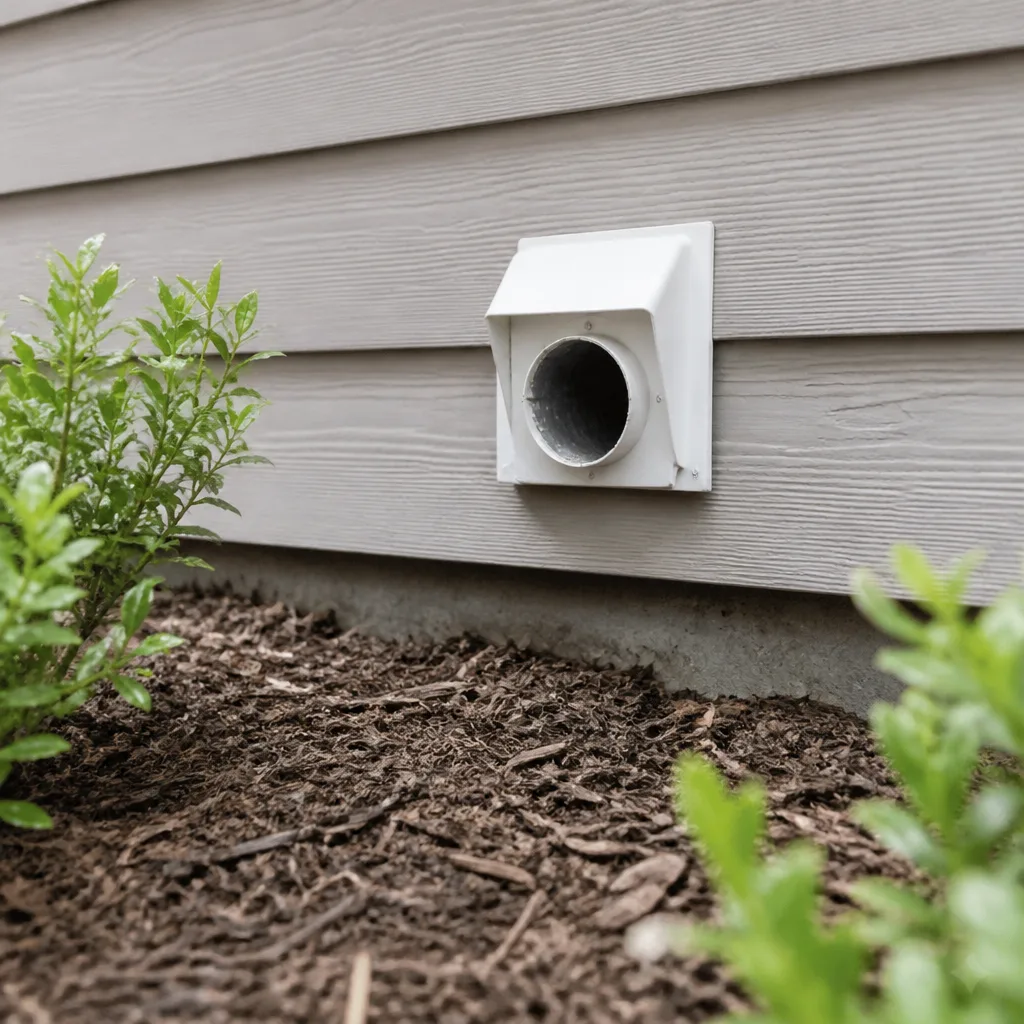 Dryer vent cleaning
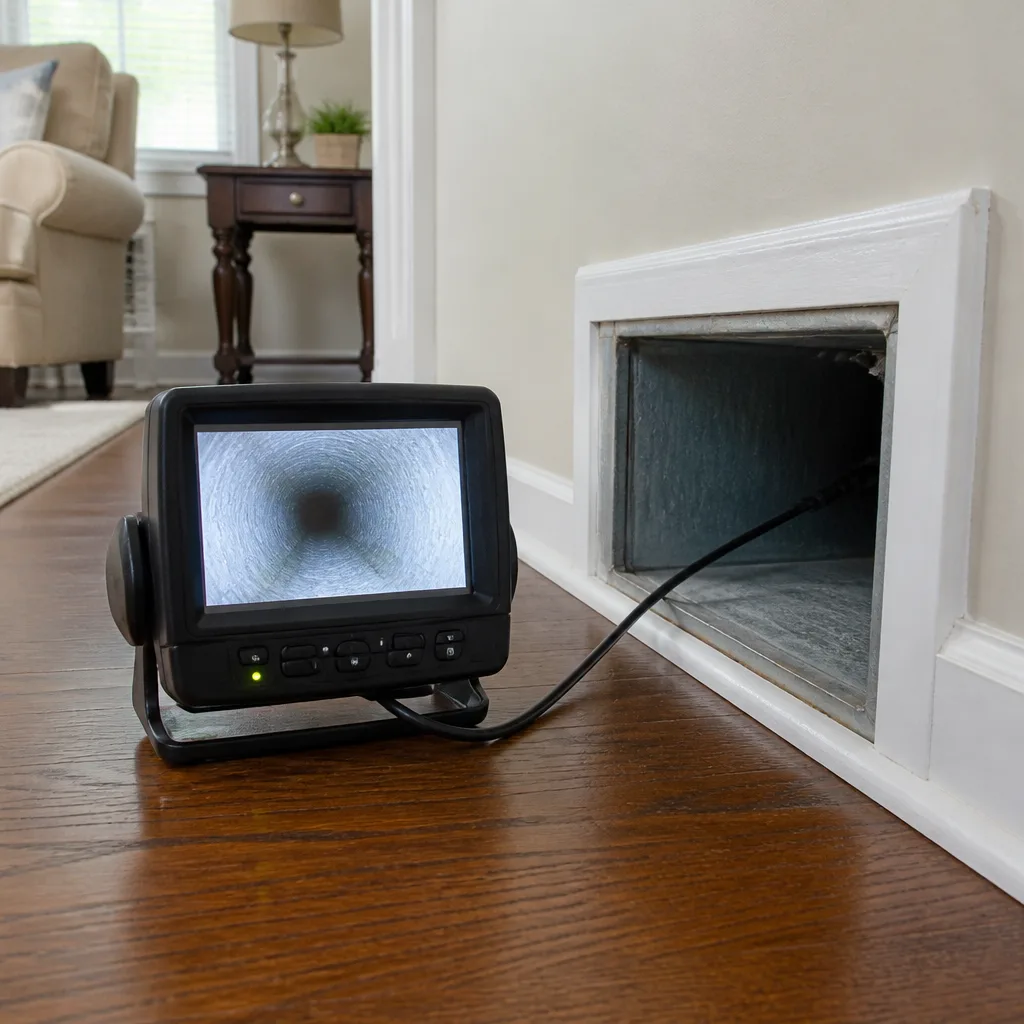 Camera inspection
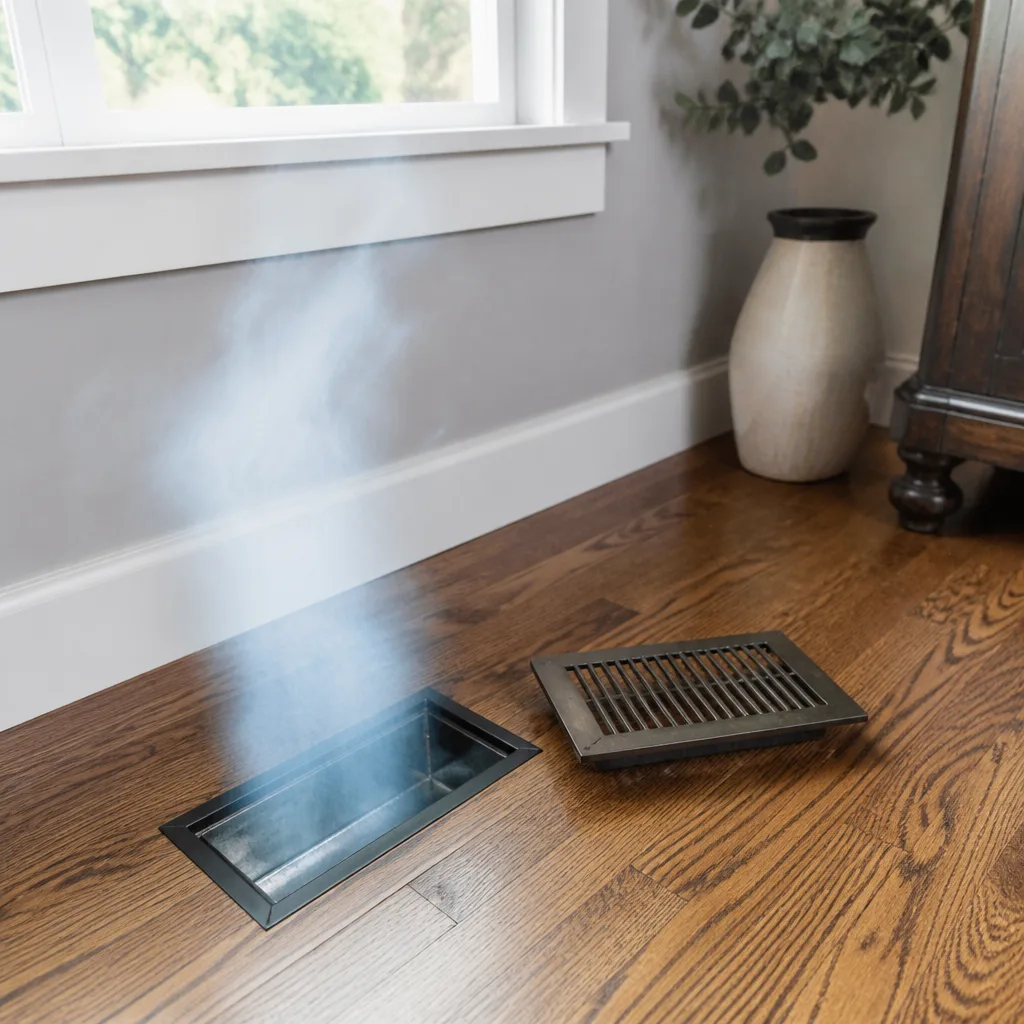 Sanitizing & deodorizing
Whole-system duct and dryer vent check with before-and-after photos - you see exactly what came out of your vents
That "$99 whole-house special" is a bait ad - the real number appears once they are in your hallway, or the "clean" is a shop-vac at the register. We photograph the inside of your ducts before and after instead.
Air Duct Cleaning Permits, Codes & Inspections in Costa Mesa, CA: What You Need to Know
The duct cleaning was fine. The unlicensed mastic sealing the technician did afterward just flagged your home sale three years later. That’s the part almost nobody warns you about, and it’s why we wrote this. In Costa Mesa, the cleaning itself is rarely the permit problem. The repair that follows the cleaning, the sealing, the rerouting, the new flex run to a remodeled bedroom – that’s where the paperwork lives, and where liability quietly attaches to the property. This guide walks through which duct work actually triggers a City of Costa Mesa building permit, what California’s Title 24 energy rules require when ducts get sealed, which contractor license classification covers the job, and what to keep in your own file even when no permit is needed.
Quick Answer
Routine air duct cleaning in Costa Mesa generally does not require a building permit because it’s classified as maintenance, not construction. What does require a permit is duct repair, replacement, rerouting, or the installation of new duct runs, and duct sealing that falls under California’s Title 24 energy code may also require verification by a HERS rater. The work must be done by a contractor holding the correct CSLB license classification – usually C-20 for HVAC work – or the property can carry an unpermitted-modification flag into a future sale.
Styles & brands we work with
- Whole-home duct cleaning
- Dryer vent cleaning
- Camera inspection
- Sanitizing & deodorizing
Table of Contents
- What Triggers a Building Permit vs. What Counts as Routine Maintenance
- California Title 24 and Duct Sealing: When a HERS Rater Gets Involved
- Which CSLB License Classification Covers Duct Work in California
- How Unpermitted Duct Work Surfaces During a Real Estate Transaction
- What to Ask a Contractor to Document Even When No Permit Is Required
- How Costa Mesa Housing Stock Affects Duct Code Questions
- What an Authorized Inspection Actually Checks
- The Questions to Ask Before You Sign Anything
What Triggers a Building Permit vs. What Counts as Routine Maintenance
The line between routine maintenance and permitted construction is the single most misunderstood thing in this trade. Cleaning the inside of ducts that already exist, as they already exist, is maintenance. It doesn’t change the building. Altering the system – its shape, its routing, its connections, its components – is construction, and construction is what the permit system exists to govern.
Here’s how we break it down for Costa Mesa homeowners before we start any job:
- Routine maintenance (usually no permit): Source-removal cleaning of existing ductwork, coil cleaning, blower cleaning, register and grille cleaning, dryer vent clearing through the existing path, and sanitizing an existing clean system.
- Typically permitted work: Replacing a section of duct that has collapsed or separated, running a new duct to a new room or return, changing duct size to fix a static-pressure problem, moving a thermostat or equipment location, and installing new components in the air pathway.
- The gray zone: Sealing existing duct joints with mastic or approved tape. This is where Title 24 comes in, and it’s covered in its own section below.
Your first stop for any specific question is the City of Costa Mesa’s building department. Ask them directly whether the scope you’re planning triggers a permit. Every city draws these lines slightly differently, and a five-minute call before work starts is worth far more than a fix after the fact. The general rule nationwide is the same: maintenance is exempt, modification is not. Most cities require a permit for structural changes to the air-delivery system, so confirm with Costa Mesa’s building department rather than assuming.
For context on what the maintenance side actually involves when it’s done properly, our page on air duct cleaning covers the source-removal process end to end.
California Title 24 and Duct Sealing: When a HERS Rater Gets Involved
California’s Title 24 energy code treats duct systems as part of the building’s energy envelope, because leaky ducts can waste a significant share of conditioned air before it ever reaches a room. When duct sealing is part of a permitted alteration or a new installation, the code often requires the sealed system to be tested and verified by a Home Energy Rating System rater – a third-party inspector who is not the contractor doing the work.
- Determine whether the job falls under Title 24. Routine maintenance cleaning does not. Alterations to the duct system, and in many cases new duct installations, do.
- Have the sealing work performed to code. That means proper mastic or approved sealing methods applied to joints, seams, and connections – not a quick tape job over the dust.
- Schedule the HERS verification. The rater performs a duct leakage test and documents the result. That certificate becomes part of the permit file.
- Keep the certificate with your home records. This is the document that proves the work was done to code years later.
This is the piece most cut-rate operators skip entirely. They seal the ducts, they collect payment, they leave, and nobody ever verifies the leakage rate. When the file comes up short at resale, the new buyer’s inspector asks a question nobody can answer.
We do duct sealing as part of our HVAC cleaning work, and we tell every customer up front whether their scope is likely to require a HERS certificate. If it does, we coordinate the verification rather than leaving it on your plate. The same applies to filtration and humidity components – Honeywell and Aprilaire equipment installed during the same visit is documented in the same file, so the whole air pathway has a paper trail.
Which CSLB License Classification Covers Duct Work in California
California’s Contractors State License Board issues classifications by trade, and duct work generally falls under the C-20 HVAC classification. That’s the license that covers warm-air heating, ventilating, and air-conditioning work, which includes the duct system that delivers the conditioned air. A general building contractor can take on a project that includes duct work only when the work is part of a larger project that requires multiple trades – and even then, the duct portion is supposed to be performed by the properly licensed trade.
What this means for you in Costa Mesa:
- Ask for the license number and classification before work starts. Look it up on the CSLB website yourself. It takes thirty seconds and tells you exactly what the contractor is legally allowed to do.
- A C-20 license is the right fit for duct repair and replacement. If a contractor can’t produce one and can’t explain who on the job will, that’s a warning sign.
- Unlicensed work is not just a code problem. It can void manufacturer warranties on equipment downstream of the work, and it can create liability that attaches to the property rather than the contractor.
- Ask who is actually performing the work. A licensed contractor can employ technicians, but the license holder is responsible for the job. If the salesperson is licensed and the crew isn’t, that’s a conversation worth having before anyone touches your ducts.
Our technicians have up to 9 years of experience on this equipment, and we work alongside licensed local professionals who hold the classifications each job requires. That distinction matters. We’re the company that connects you to the right local pro, so if your scope needs a C-20 license holder to sign off, we make sure that’s who shows up.
How Unpermitted Duct Work Surfaces During a Real Estate Transaction
This is the part that costs real money, and it’s the reason we wrote this guide. Unpermitted duct modifications rarely get found during the years the homeowner lives in the house. They get found at the point of sale, when a buyer’s home inspector opens the attic or the crawlspace and notices something that doesn’t match the permit history on file with the city.
The chain usually goes like this:
- Pre-listing inspection or buyer’s inspection notes new duct runs, a relocated return, or sealed joints that don’t appear in any permit record.
- The buyer’s agent asks for documentation. If there isn’t any, the buyer’s lender may require the issue be resolved before closing.
- The seller files for a retroactive permit. Some cities allow this, with the work inspected and brought to current code. Some work cannot be brought to code without being redone.
- The cost of remediation falls on the seller at the worst possible moment, in a negotiation where the seller has no leverage.
We’ve seen this exact pattern play out on Costa Mesa properties, particularly in older neighborhoods where duct systems have been modified piecemeal over the years by a series of contractors. Each modification seemed small at the time. Together they form a body of work that doesn’t match the city’s records. The fix is rarely catastrophic, but it delays closings and it hands the buyer a bargaining chip.
The other hidden cost is the scope of the remediation itself. Grandfathered installations often need to be brought up to current Title 24 requirements when they’re opened up for permit. That can mean sealing work, leakage testing, and in some cases replacement of the duct section involved. All of it falls on whoever holds the property when the deficiency is discovered.
What to Ask a Contractor to Document Even When No Permit Is Required
Routine air duct cleaning in Costa Mesa doesn’t generate a permit file. That doesn’t mean it should generate no record at all. The homeowner who can produce a clean scope-of-work document and before-and-after photos five years later is in a far stronger position than the one who has a receipt and a memory.
Here’s what to ask for, in writing, on any duct job:
- Scope of work. What was cleaned, what was inspected, what was found, and what was left alone. This is the single most valuable document. It tells a future inspector exactly what the condition of the system was when the job was done.
- Materials used. If any sealing was performed, the products used should be named. Mastic types, tapes, and sanitizers all leave a signature that a future inspector or remediation crew will want to identify.
- Before-and-after photos. We photograph the system before we clean it and after we finish. These aren’t marketing material. They’re the record that shows the condition of the ducts, the coils, and the connections on the day the work was done.
- Any products applied to the air pathway. If sanitizing was part of the job, the name of the product matters. We use Guardsman sanitizing products as a named, traceable step at the close of every eligible job, and the product name goes in the file.
- Any observed defect that wasn’t in scope. If we see a separated joint, a crushed flex run, or a suspected mold issue outside what the customer approved, we document it in writing and recommend the next step. That recommendation protects both the homeowner and us.
Ask any contractor you hire for the same. If they can’t produce a written scope and photos, that’s a useful signal about how they run their business. It also means you have nothing to hand a future inspector, which is exactly the position that leads to a closing-day surprise.
How Costa Mesa Housing Stock Affects Duct Code Questions
Costa Mesa is a city of distinct neighborhoods, and each part of town has its own typical duct story. Knowing which one you’re in helps you ask better questions when you call the building department or a contractor.
In large parts of the city – the neighborhoods up near the mesa, through the Alphabet district, and along the older residential blocks – you’ll find mid-century stock with original or partially modified duct systems. The systems in these homes often run through attics and closet chases that were designed for a different era of HVAC equipment. When the air handler gets replaced or upgraded, the ducts often get reworked to match. That rework is where permit questions and Title 24 leakage testing come in.
On the east side, in the Mesa Verde and nearby neighborhoods, you get a mix of floorplan additions and remodels built out over the decades. Every addition that added a bedroom or family room usually came with a duct extension. If that extension was permitted as part of the addition, there’s a paper trail. If it was done afterward – common with a quick contractor hire – there usually isn’t.
Near the coast-facing parts of town, homes tend to be smaller and tight, and duct routing through wall cavities and closets is more common. When ducts run through enclosed wall cavities, repairs can be more involved because the access is harder. The permit picture is the same, but the cost of remediation when something is incorrectly done is higher, because now you’re opening finished surfaces to fix it.
The climate matters less than the housing. Costa Mesa’s mild winters mean the heating system runs less than in colder parts of California, and dust and allergen accumulation in the ducts is often the primary driver of indoor air complaints. But the permit and code questions are governed by the building’s structure and the energy code, not the weather. A duct modification in Costa Mesa carries the same paperwork obligations as anywhere in California.
For dryer vents specifically, Costa Mesa’s housing stock has its own quirk: many dryers are set against exterior walls on short runs, but a meaningful number of homes have long, convoluted vent paths through interior spaces. A long, winding dryer vent run isn’t a permit issue, but it is a fire-safety issue. Our page on dryer vent cleaning covers what to look for.
What an Authorized Inspection Actually Checks
If your job does require a permit, the inspection that follows isn’t a rubber stamp. It’s a walkthrough by a city inspector who is checking the installation against the approved plan and the current code. Knowing what they look at helps you understand why the paperwork is worth having.
An inspection of duct work in California typically covers:
- That the work matches the permit. The installed ducts, components, and routing should match what was approved. Unpermitted changes discovered on-site get flagged.
- Sealing and connection integrity. Joints, connections, and seams are checked for proper sealing at the time of inspection. This is often the point at which a quick tape job becomes obvious.
- HERS documentation. If Title 24 leakage testing applies, the inspector reviews the HERS certificate to confirm the rater has signed off on the sealed system’s leakage rate.
- Vent and exhaust routing. Any exhaust system connected to the air pathway – dryer vents, bathroom exhaust, kitchen hoods – is checked for proper routing and termination.
- Accessibility. Duct systems are supposed to remain accessible for future maintenance. A system built into a sealed wall cavity with no access panel is a problem the inspector will note.
The best outcome is a clean inspection, and the path there is simple: the installation is done to code, the documents are complete, and the HERS rater has verified whatever needed verifying. If the inspection finds problems, the fix is on the contractor who did the work – which is why you want the license number and the paper trail before anyone starts.
The Questions to Ask Before You Sign Anything
Six questions separate a professional duct job from a gamble. Ask all six before work starts, and write down the answers.
- Does this scope require a City of Costa Mesa building permit? If the answer is “probably not,” ask them to put that in writing. A contractor who knows the local code will give you a confident answer.
- Does this scope fall under Title 24 energy code? If it does, who is scheduling the HERS verification, and who is paying for it?
- What CSLB license classification covers this work, and what’s the license number? Look it up on the CSLB website before you sign.
- What equipment will you use? A real answer to this question tells you whether you’re getting a source-removal cleaning or a vacuum-and-a-promise job. We use Rotobrush and Nikro equipment, and we bring Abatement Technologies negative-air containment when a job calls for it.
- Will I get photos and a written scope of work, whether or not a permit is filed? The answer should be yes, and the documents should arrive with the finished job.
- If you find a defect outside the scope, what happens? A professional documents it and recommends a next step. They don’t quietly do additional unpermitted work while they’re there.
We answer all six before the truck arrives, and we put the answers in writing. If you’re not sure which of our services covers your situation, start with Costa Mesa Air Duct Cleaning Co – we cover the full air pathway in one visit, so the scope of work is clear from the beginning rather than getting pieced together over multiple contractors.
Common Mistakes to Avoid
- Assuming a cleaning company’s “sealed” means permitted. Sealing duct joints is sometimes routine maintenance and sometimes permitted alteration, and the difference is whether the job triggers Title 24. Ask which one applies before the sealing starts, not after.
- Letting the technician do “a little extra” unpermitted work while on site. A courtesy repair to a separated joint can create an unpermitted modification that follows the property, even if the repair itself was well done. Every change to the duct system should be authorized and documented.
- Skipping the CSLB lookup. Costa Mesa has a lot of contractors and not all of them hold the license classification their work requires. Thirty seconds on the CSLB website prevents a far more expensive mistake down the road.
- Losing the photos and scope of work. A digital folder with the before-and-after photos, the written scope, the materials used, and the HERS certificate if applicable is the single best insurance policy on a duct job. Store it with your home records, not in an email inbox.
- Hiring on coupon price alone. The cheapest quote in Costa Mesa tends to be the quote that skips the leakage testing, skips the documentation, and skips the license. That’s not savings, it’s deferred cost.
- Assuming an old modification is grandfathered. Grandfathering protects work that was legally permitted at the time. Work that was never permitted at all isn’t grandfathered by anything, and it surfaces at the worst possible moment.
- Waiting until a real estate deal to ask these questions. The time to know what’s in your duct system is while you live there, not while a closing deadline is running.
See the difference
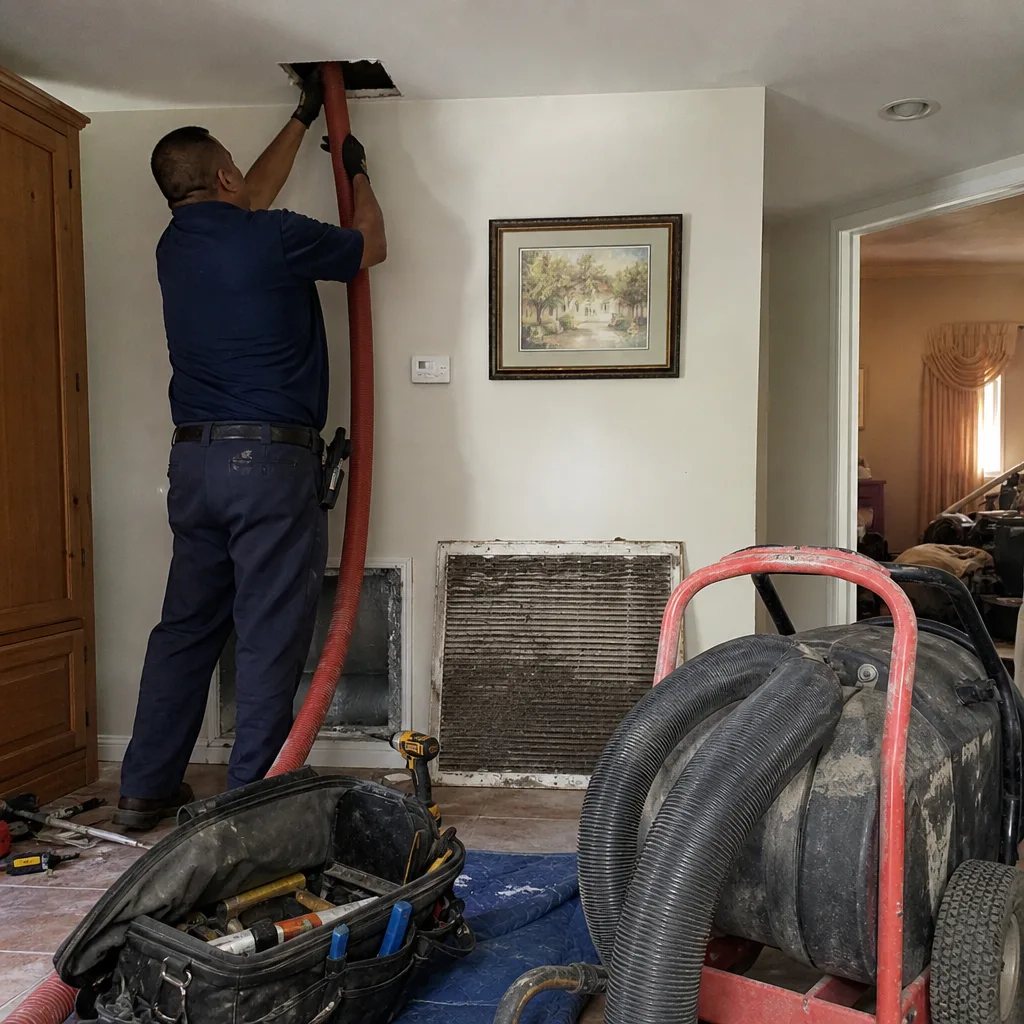 Before
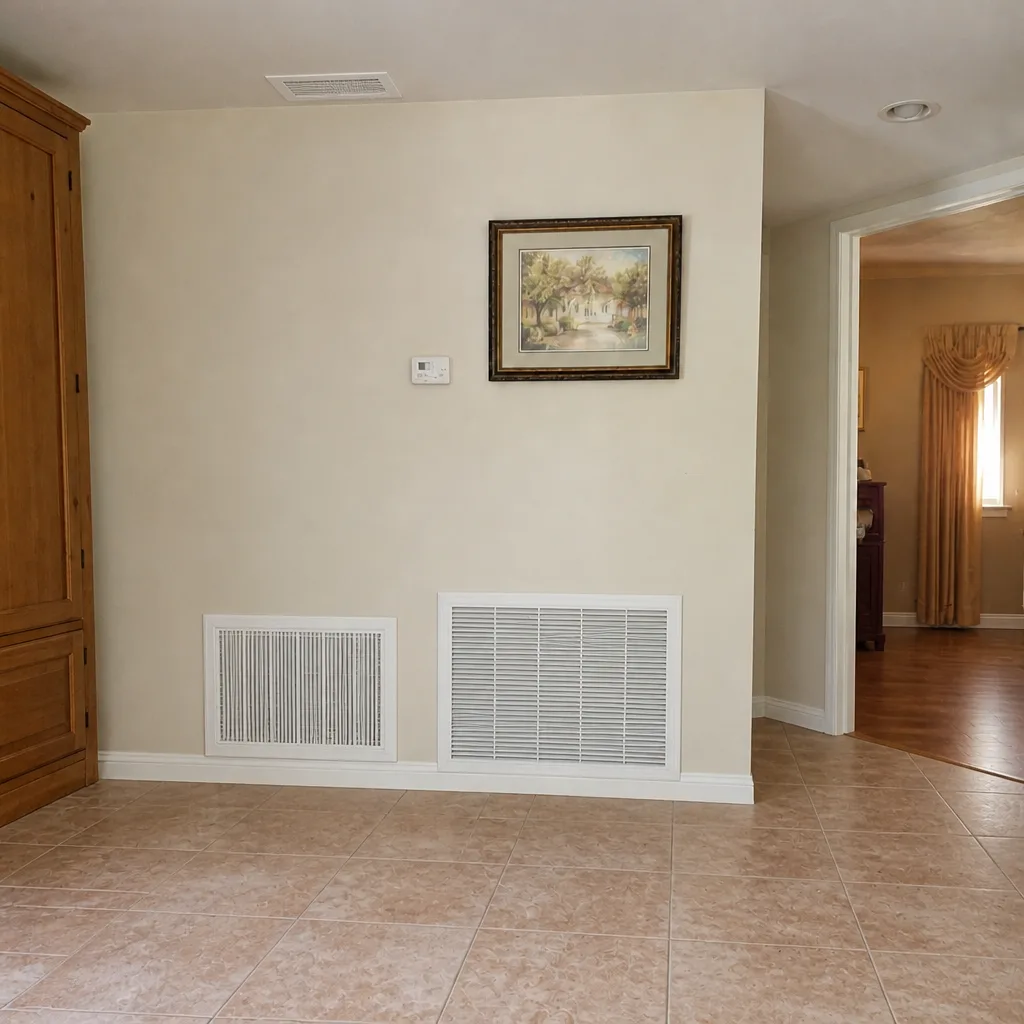 After
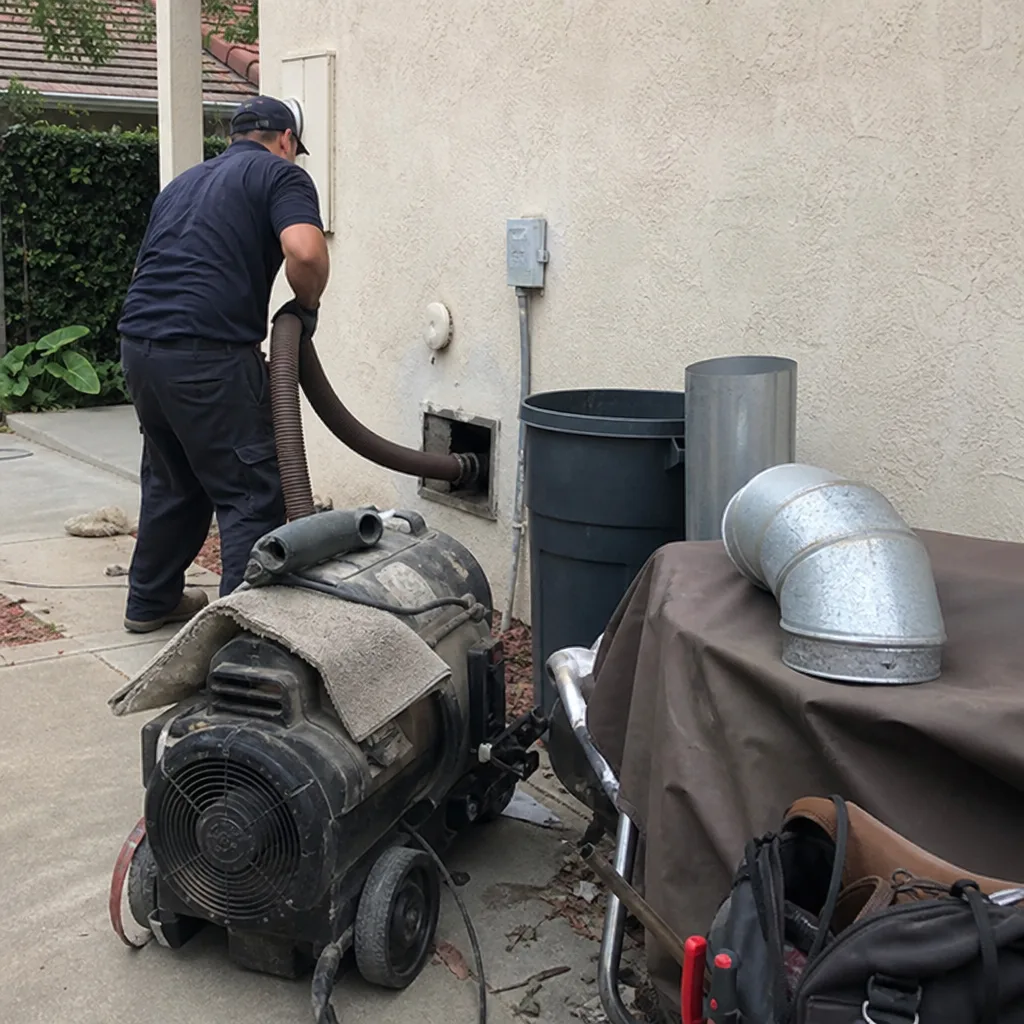 Before
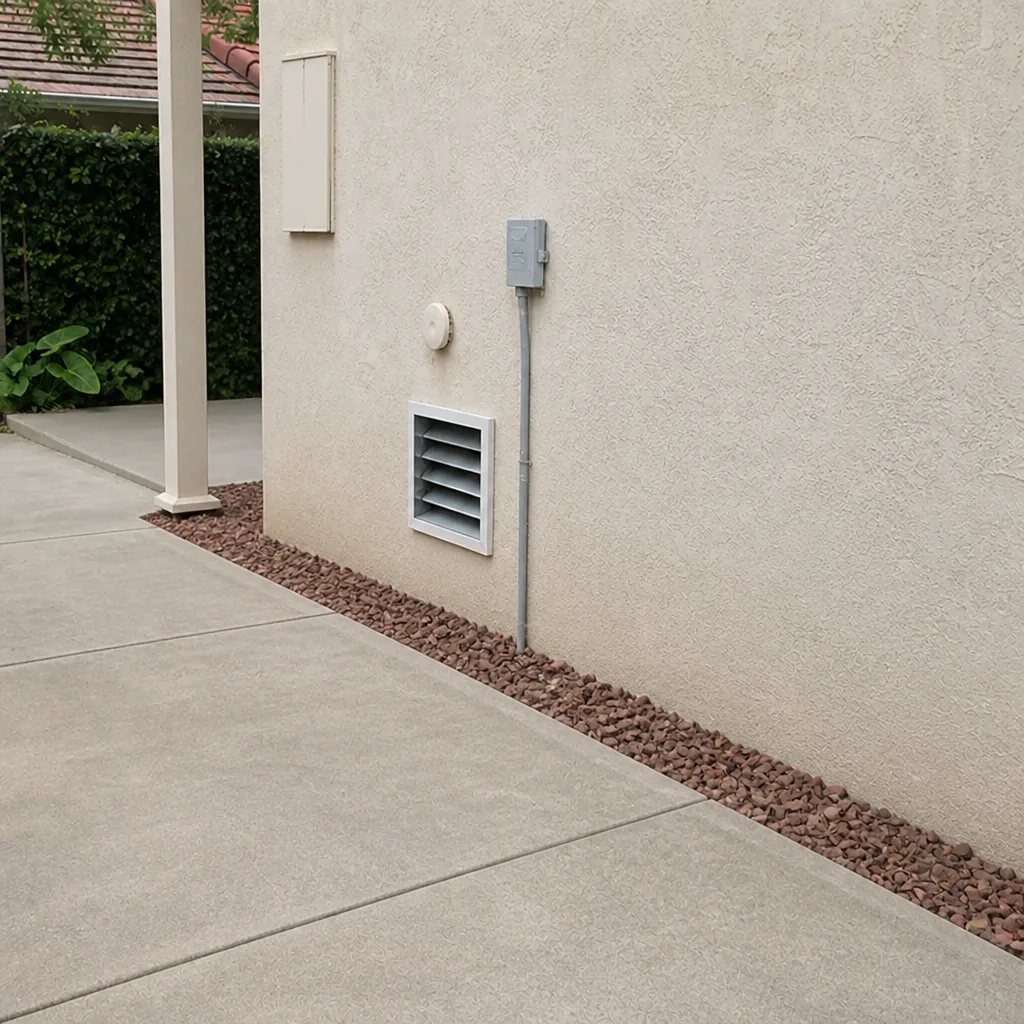 After
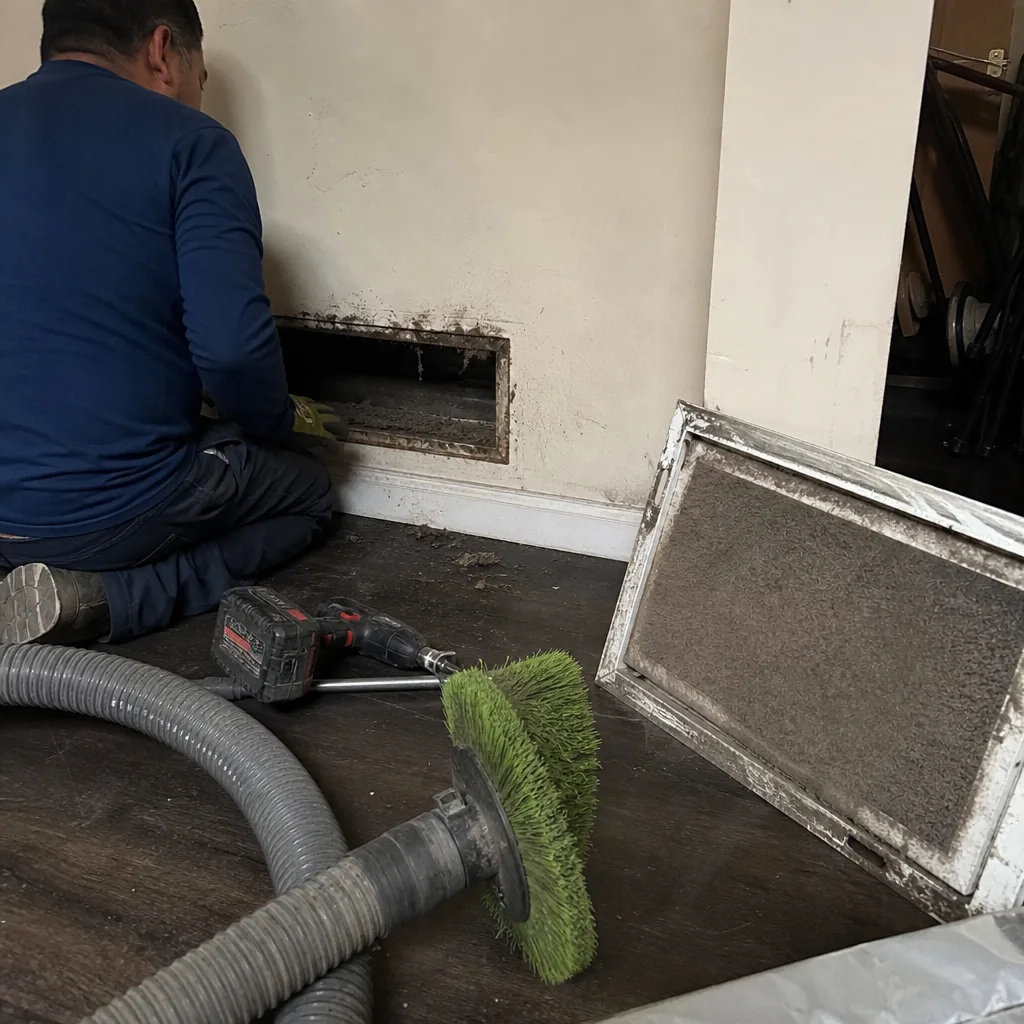 Before
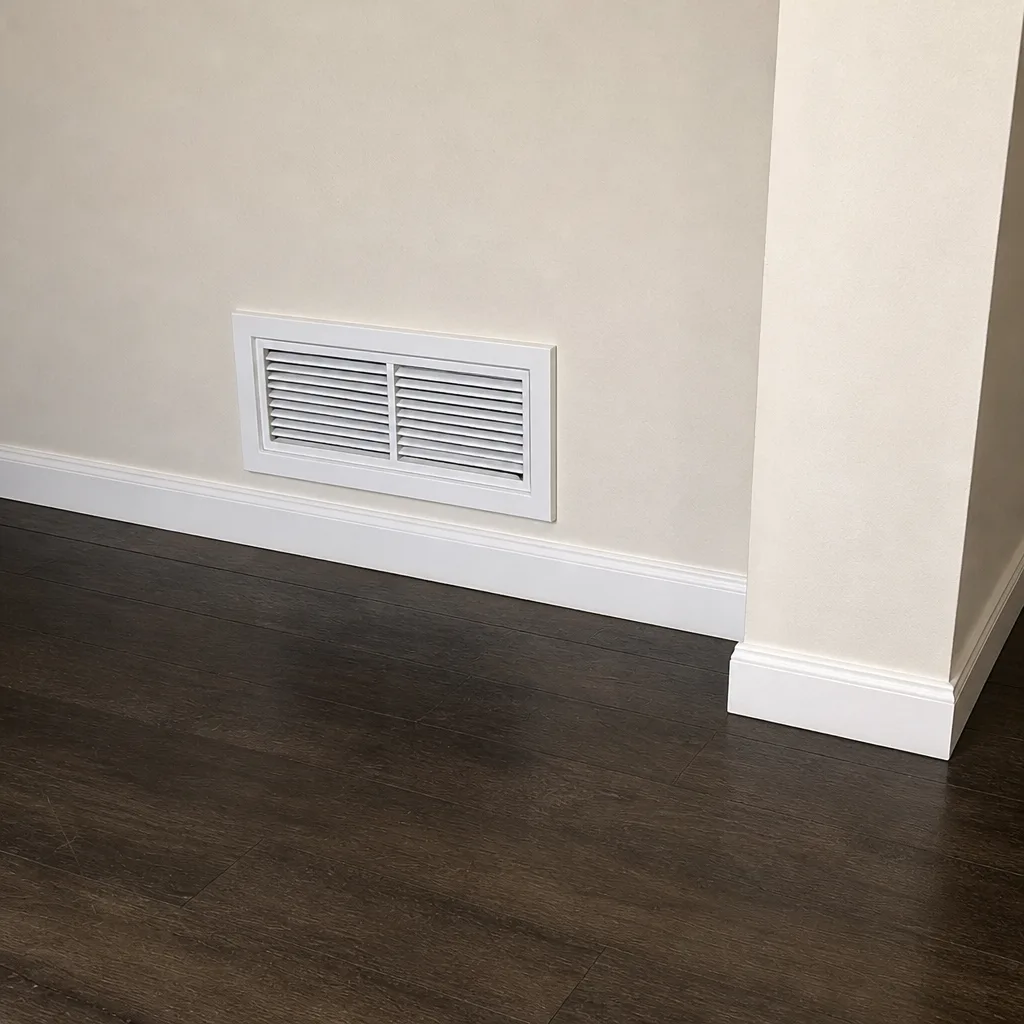 After
When to Call a Professional
Call a professional when you’re not certain what scope you’re looking at. If your ducts are visibly damaged, if you’ve had a remodel and don’t know whether the new runs were permitted, if you’ve seen moisture or odor in a return, or if a home inspector has flagged something, that’s the moment to get a written assessment rather than guesswork. It’s also the moment to sort out whether the work is cleaning, repair, or a permitted modification, because those are three different conversations.
Costa Mesa Air Duct Cleaning Co offers free estimates in Costa Mesa – call (855) 337-2150. We answer 24/7. Fast dispatch from 7am to 7pm, Sunday through Friday. The estimate is free and the price is set per job by the written estimate, so there are no surprises when the crew arrives. If your scope needs a permit or a HERS verification, we’ll tell you so up front – and we’ll tell you when it doesn’t, too.
Frequently Asked Questions
Routine air duct cleaning in Costa Mesa does not require a building permit because it’s classified as maintenance rather than construction. Cleaning the inside of an existing duct system without altering it doesn’t change the building, so the permit system doesn’t get involved. Duct repair, replacement, rerouting, or new duct runs are a different story and usually do require a permit. Call (855) 337-2150 if you’re not sure which category your job falls into – estimates are free.
Duct sealing triggers Title 24 when the sealing is part of a permitted alteration or new installation rather than routine maintenance. In that case, the sealed system often has to be tested by a HERS rater who confirms the leakage rate and documents it for the permit file. A licensed contractor coordinates this, and the resulting certificate should go into your home records. Ask any contractor up front whether your scope is likely to require HERS verification – the answer tells you a lot about how they run their business.
The C-20 HVAC classification is the license that covers duct work in California, because duct systems are part of the warm-air heating, ventilating, and air-conditioning installation. A general building contractor can take on a larger project that includes duct work, but the duct portion should be performed by a properly licensed trade. Look the license number up on the CSLB website before work starts – the lookup is free and it’s the fastest way to know what the contractor is legally allowed to do.
Yes, and it’s the most common way unpermitted duct modifications get discovered. A buyer’s home inspector notes duct runs or sealed joints that don’t appear in the city’s permit records, the buyer’s lender may require resolution before closing, and the cost of remediation falls on the seller at the worst possible moment. Even when a retroactive permit is allowed, bringing the work up to current Title 24 code can cost more than it would have to do the job right the first time. If you’re planning to sell, a pre-listing duct assessment is worth the call.
Keep the written scope of work, the before-and-after photos, the names of any materials or sanitizing products used, and any written recommendations for defects found outside the scope. That file is your evidence of the system’s condition on the day of the job, and it’s extremely useful to have if a future inspector, buyer, or remediation crew needs to know what was done. We provide all of it as part of every job. Call (855) 337-2150 for a free estimate and a clear scope in writing – estimates are free.
Before-and-after photos of your own system are the simplest verification. Ask for them at the start, confirm they show the ducts, connections, and components that were on the scope, and match them to the written scope of work. A professional job leaves a traceable record: named products, documented materials, and photos that correspond to the written description. If a contractor can’t produce those, that’s useful information too. Call (855) 337-2150 to schedule a free estimate with a documented scope of work.
The Bottom Line
The permit question in Costa Mesa is rarely about the cleaning. It’s about what the cleaning discovers – the separated joint, the crushed run, the new bedroom extension with a duct that was never on any approved plan. Routine maintenance cleaning stays off the permit record. Repairs, sealing under Title 24, and new duct runs go on it, and the license classification behind the work matters as much as the paperwork. Do three things: confirm the scope with the City of Costa Mesa building department before work starts, verify the contractor’s CSLB license classification, and keep the photos, written scope, materials list, and any HERS certificate with your home records. That file is worth more than the receipt. When you’re ready for a documented job, call us.
Call (855) 337-2150 for a free estimate. We answer 24/7. Fast dispatch from 7am to 7pm, Sunday through Friday. One flat price per system agreed before work starts, before-and-after photos of your own ducts, and a written scope you keep. The local pro is licensed and insured as their state requires.
Written by the team at Costa Mesa Air Duct Cleaning Co.