
Last updated November 25, 2026
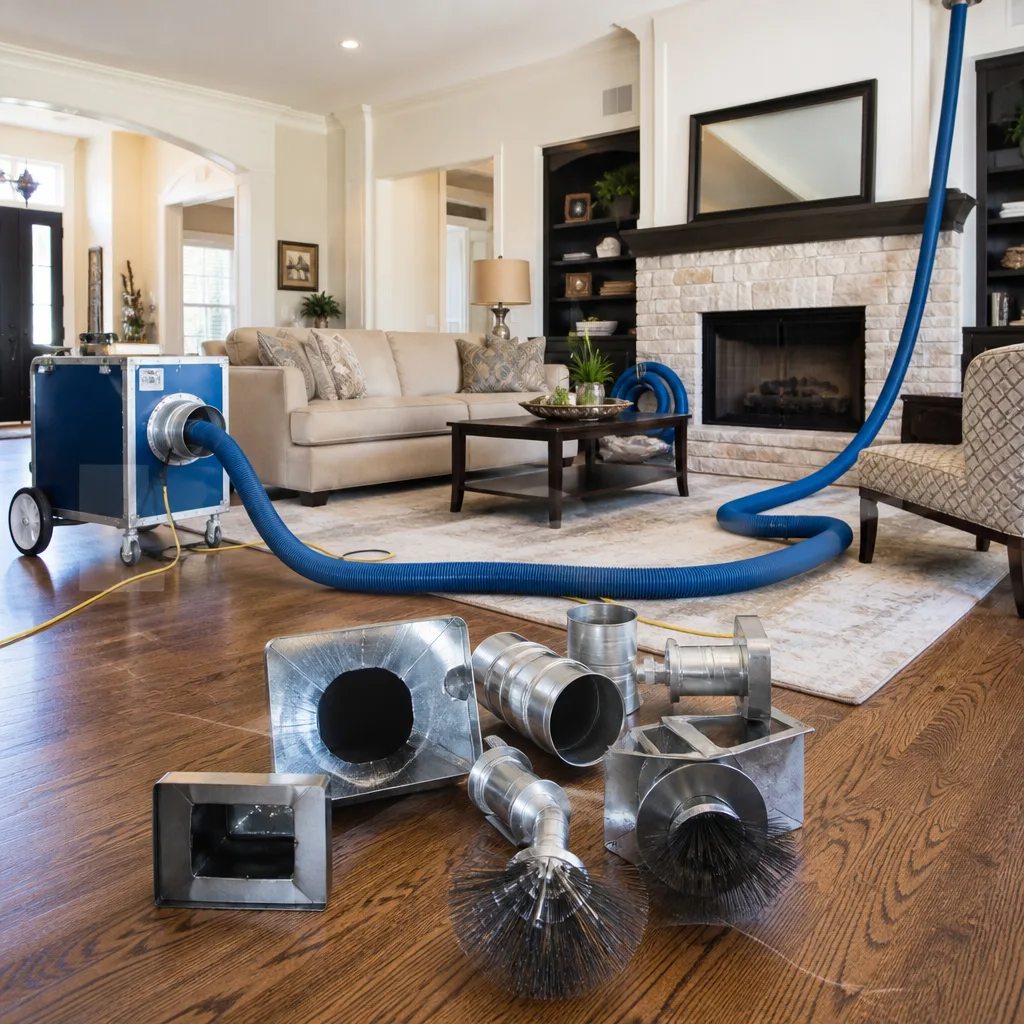 Whole-home duct cleaning
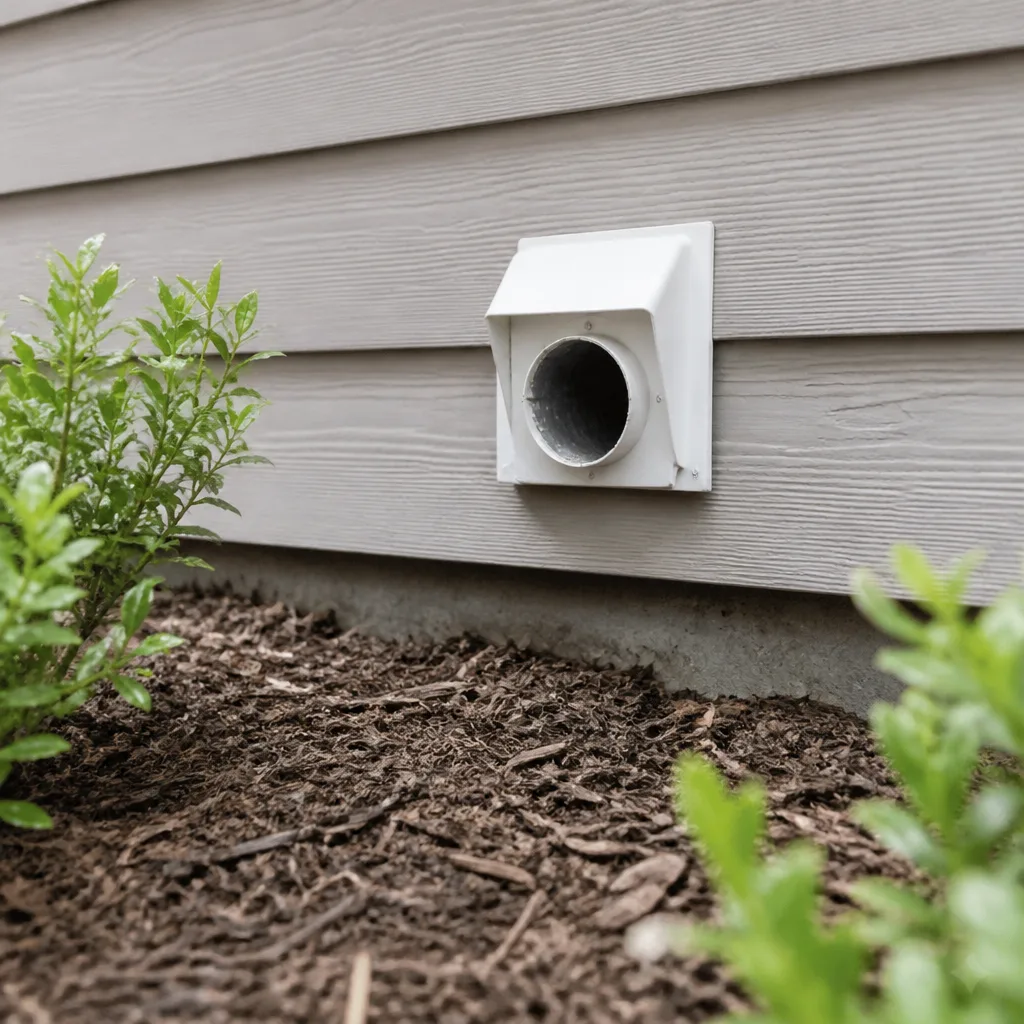 Dryer vent cleaning
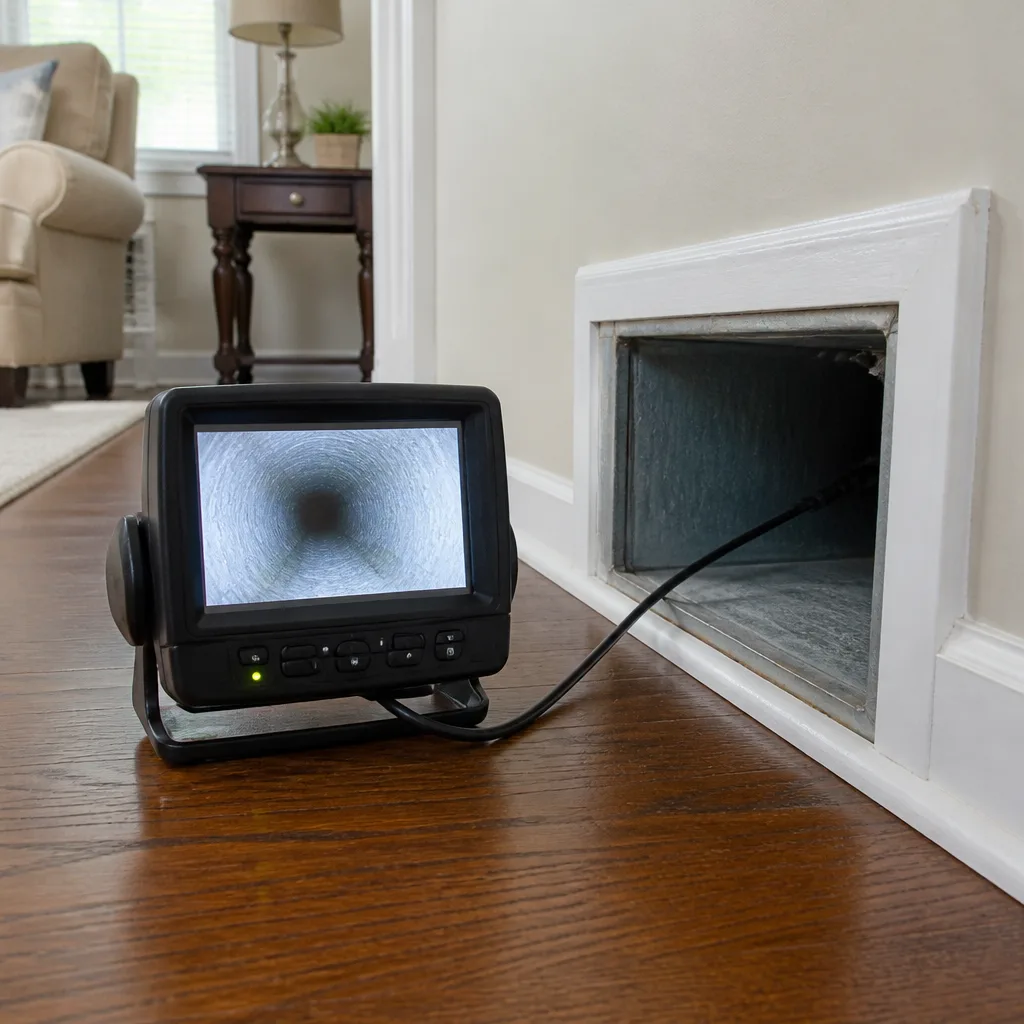 Camera inspection
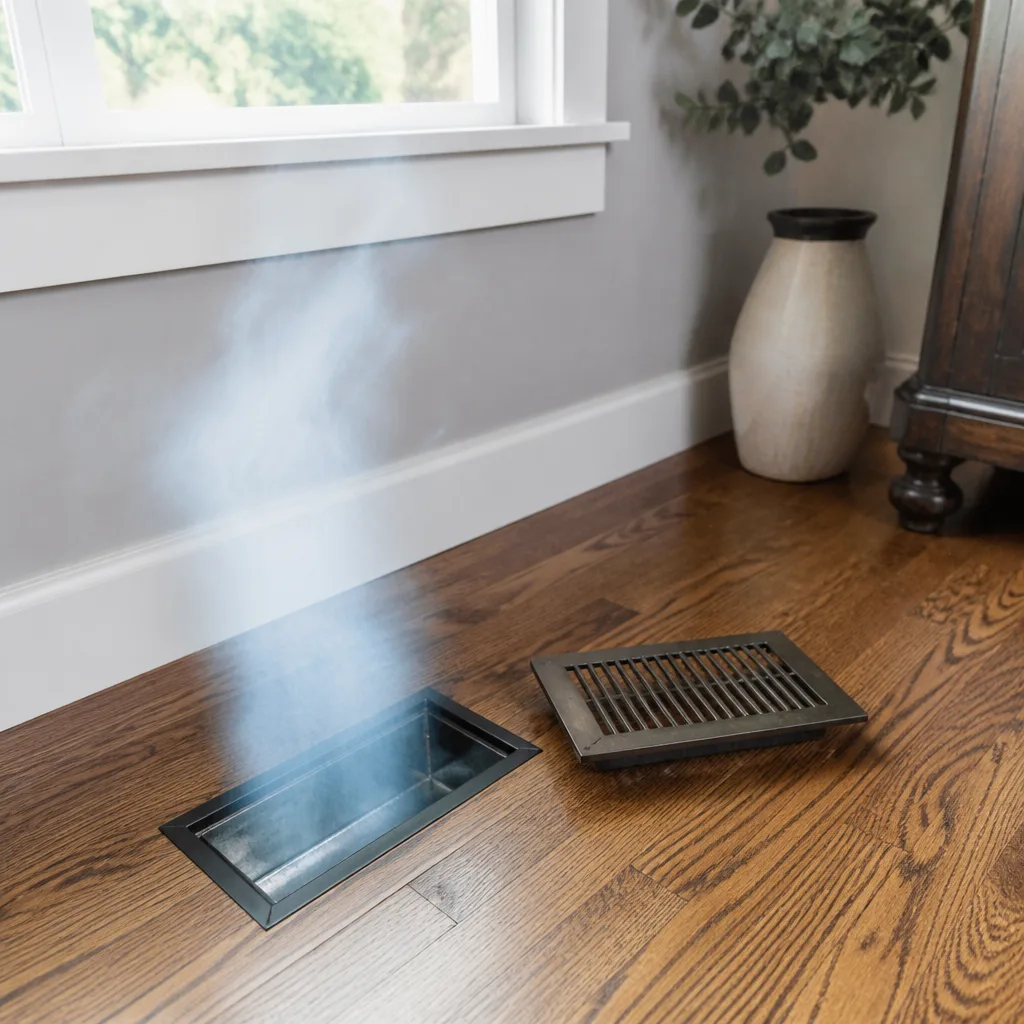 Sanitizing & deodorizing
Whole-system duct and dryer vent check with before-and-after photos - you see exactly what came out of your vents
That "$99 whole-house special" is a bait ad - the real number appears once they are in your hallway, or the "clean" is a shop-vac at the register. We photograph the inside of your ducts before and after instead.
Seasonal Air Duct Cleaning Care for Costa Mesa: Year-Round Homeowner’s Guide
Most homeowners clean their ducts when they remember to, which usually means when a smell gets bad or a filter looks grey. That approach misses how air actually moves through a house in Costa Mesa. The marine layer that keeps this city cooler than inland neighbors also pushes moisture into return ducts overnight, and that slow moisture load sits quietly until you notice something musty coming from a vent. Meanwhile, the Santa Ana winds and regional wildfire smoke each deposit their own kind of particulate on a different schedule. This guide walks through how each season stresses your duct system, what to inspect and when, and how to build a 12-month care calendar around how Costa Mesa actually breathes.
Quick Answer
Air duct cleaning in Costa Mesa works best on a seasonal schedule, not a one-time event: inspect and clean in fall after Santa Ana wind season, check for moisture and liner damage through the damp winter and spring marine layer, watch for leakage signals during peak summer AC runtime, and repeat a full inspection after any significant wildfire smoke event. A full-system cleaning roughly once every two to three years fits most Costa Mesa homes, with targeted checks in between based on the air quality calendar below.
Styles & brands we work with
- Whole-home duct cleaning
- Dryer vent cleaning
- Camera inspection
- Sanitizing & deodorizing
Table of Contents
- Fall: Santa Ana Wind Season and What It Leaves Behind
- Winter and Spring: Marine Layer Humidity and Duct Health
- Summer: Peak AC Runtime and Duct Leakage Signals
- Post-Wildfire Smoke Protocol
- Building Your 12-Month Care Calendar
- What a Proper Inspection Should Cover
- What You Can Check Yourself
- Why Full-Pathway Care Beats Duct-Only Cleaning
Fall: Santa Ana Wind Season and What It Leaves Behind
The Santa Ana winds deserve more attention from Costa Mesa homeowners than they usually get. These dry, gusting offshore winds pick up fine particulate from inland areas and move a lot of it through the air. Standard furnace and AC filters do catch a good share of it, but the finest dust passes through most filter media and settles on the parts you never see: the inside of return and supply ducts, and the evaporator coil fins where condensation makes dust stick. Once that film builds on the coil, the system works harder to move the same amount of air.
Here’s the seasonal logic. The Santa Ana season runs roughly from October into December, sometimes later. By the time it settles, your ducts and coil have collected a fresh layer. That’s why fall is the most productive time to inspect and clean in Costa Mesa. You’re clearing the season’s deposit before the winter moisture cycle has a chance to bind it into something that supports mold growth.
What to look for in a fall inspection:
- Coil fins – a visible matte grey film rather than a clean metallic shine. The coil is the most overlooked part of a system and the hardest to restore without professional equipment.
- Supply registers – fine dust drifting around the edges of the vanes after a windy stretch.
- Return duct interiors – a thin uniform dust layer near the grille often means a heavier one further along.
- Filter condition – if a filter loads up in weeks during wind season, it’s earning its keep, but it’s also telling you how much is getting past it.
We use Rotobrush and Nikro equipment for this work: the same systems professional HVAC and restoration contractors rely on. The contact-cleaning side of the process loosens and captures what’s stuck to duct walls, and negative-air extraction pulls it out of the system rather than redistributing it into your living room. A shop vacuum and a brush on a cord can’t reach the coil or hold extraction pressure, which is why fall cleaning done properly means calling a company with real machinery.
Winter and Spring: Marine Layer Humidity and Duct Health
Winters in Costa Mesa are mild, and that’s exactly the problem for ducts. Cool nights bring the marine layer inland, and the moist air that condenses on the coolest surfaces of your home finds its way to return ducts, plenums, and any part of the air pathway that stays below the dew point long enough. Flex duct liner is especially vulnerable. A pinhole in the liner or a loose joint lets moist air sit between the inner and outer layers, and that trapped pocket can support mold growth before you notice any smell.
The tricky part is timing. Musty smells from a vent often arrive long after the moisture event that caused them. By the time the air smells off, the growth is established. So winter and spring inspections focus on catching the preconditions rather than the aftermath:
- Check return plenums and the air handler cabinet for condensation streaks or damp insulation. Anywhere metal meets insulation is a candidate.
- Feel flex duct runs for soft spots or sagging sections where moisture can pool.
- Look at the liner at any joint you can see. A torn or separated liner is the classic entry point for moisture.
- Smell-test the return when the system has been off overnight. If you smell mustiness at startup, that’s a signal worth investigating.
If you find evidence of mold or a musty smell that won’t clear, that’s where Abatement Technologies negative-air equipment matters. This is the same category of machinery used in professional mold and contaminant remediation, and it lets a technician hold containment while cleaning a contaminated system, not just wipe it down. For a routine moisture check, a full duct cleaning may be all you need. For a system that’s actually colonized, containment is the difference between a real fix and a repeat problem.
Spring is the other window. Once the marine layer thins, the system dries, and any damage done over winter becomes easier to assess and repair. If you’ve noticed condensation issues, spring is the right time for duct repair and sealing before summer runtime exposes every leak in the system.
Summer: Peak AC Runtime and Duct Leakage Signals
Summer is when the system runs its hardest, and it’s also when duct leakage shows up as a comfort complaint. When runtime goes up, the static pressure inside your duct system goes up with it. Every leak, every loose joint, every gap behind a register that sat unnoticed in spring starts bleeding conditioned air into an attic or wall cavity. You feel the result as rooms that never quite get comfortable, temperature swings between rooms, or a system that runs longer than it did last August.
Those comfort inconsistencies are diagnostic signals, not just annoyances. Here’s how to read them:
- A room that stays warm while others cool often means a leak or restriction on that branch of the supply run.
- A cold room directly above the garage or along an exterior wall can point to duct runs that pass through unconditioned space and leak there.
- Long runtimes with normal filter condition suggest air that’s been paid for is escaping before it reaches the room.
- Whistling or whooshing at registers indicates a pressure problem somewhere in the system.
If any of those sound familiar, a summer inspection is worth it. Sealing leaks is usually the cheapest comfort improvement a Costa Mesa homeowner can make, and it pairs naturally with a HVAC cleaning since the system is already being opened up. Doing both in one visit is a key reason full-pathway service exists as a category: you avoid scheduling two contractors for two visits to fix one problem.
Summer is also when filters load fastest. AC runtime peaks, and every hour of air movement deposits more on the filter. Our advice is to check monthly through the hottest weeks rather than waiting for the filter to look obviously grey. A loaded filter raises static pressure on its own, compounding the leak problem.
Post-Wildfire Smoke Protocol
Wildfire smoke is the seasonal stressor that most Costa Mesa guides skip, and it’s the one that leaves the longest-lasting residue. Fine smoke particulate is small enough to pass through standard filters, and it deposits on duct walls and coil surfaces much like Santa Ana dust, but with an oily, acrid component that lingers. What you do in the first 48 hours matters for how much ends up in the system.
Here’s the protocol we recommend:
- When smoke is heavy outside, shut the system down. Running the blower pulls outdoor air in through leaks and the fresh-air intake, and a standard filter won’t catch the finest particulate. Shut it off until outdoor air clears.
- Close windows and doors and seal the largest gaps. A small roll of weatherstripping on the worst doors makes a real difference.
- When smoke clears, run the system on fan-only for an hour. This circulates room air through filtration without pulling more from outside, and it helps clear what’s settled in the house.
- Replace the filter. Don’t try to vacuum and reuse it. Smoke particulate loads the filter faster than dust does.
- Schedule a post-smoke inspection. The inspection should cover duct interiors on the return side first (where incoming air lands), the evaporator coil, and the filter housing. If smoke made it into the return, it will register there before it reaches supply runs.
For homes near a burn scar with gusty post-fire winds, dust re-suspension adds to the load. In those cases a full cleaning after smoke season is worth scheduling even if the ducts looked clean in spring. If your household has anyone with respiratory sensitivity, this is the point to call in equipment with real extraction capability rather than trying to manage it with a fan and an open window.
Building Your 12-Month Care Calendar
You can build a workable care calendar around how Costa Mesa’s air actually behaves, rather than a generic “clean your ducts annually” rule. The South Coast Air Quality Management District (SCAQMD) publishes daily air quality index readings and historical data for the region, and checking those figures over a few months will show you the patterns this calendar is built on. The idea is to inspect after the season that stresses your system most, and clean when the system is drying out rather than when it’s collecting.
Here’s the framework:
- October to December (Santa Ana season) – schedule a fall inspection or cleaning after the winds settle. This is your primary annual cleaning window.
- January to April (marine layer season) – check return plenums, flex duct runs, and the air handler for moisture. Address any musty smell immediately.
- May (drying window) – assess and repair any liner damage found over winter. Seal leaks before summer runtime exposes them.
- June to September (peak runtime) – check the filter monthly. Read up on duct leakage signals if comfort complaints appear.
- Any month after a major wildfire smoke event – replace the filter and schedule a post-smoke inspection. This is event-driven, not calendar-driven.
- Every two to three years – a full-system cleaning when none of the above triggers an earlier one.
That two-to-three-year baseline fits most Costa Mesa homes, but it isn’t a rule. Homes with pets, recent renovation dust, or household members with allergies tend toward the shorter end. Homes with a whole-home filtration system from a brand like Honeywell or Aprilaire can often go longer between cleanings because the filtration is doing more of the work day to day. If you’re not sure where your home falls, an inspection is the fastest way to know.
What a Proper Inspection Should Cover
An inspection is only as useful as the equipment behind it. A flashlight and a ladder tell you what’s near a register, but the parts that matter most sit deeper: the coil, the return plenum, and the duct runs behind drywall. A proper inspection from a company with real equipment covers the whole air pathway, not just the parts you can see.
Here’s what a complete inspection includes:
- Register and grille removal on both supply and return sides to inspect the duct interior directly.
- Coil inspection with adequate light and access to judge dust and debris load.
- Flex duct condition – checking for liner separation, sagging, and moisture.
- Seal check at joints, plenums, and duct boots, looking for gaps that leak conditioned air.
- Air handler and filter housing – checking for dust bypass and moisture.
- Documentation – photos of what was found before cleaning, so you can see the condition for yourself.
We show you what we find before we clean it, and after. That documentation matters in this industry because the gap between an honest inspection and a cut-rate one is enormous, and photos close it. If a company can’t show you the before-and-after of your own system, that’s worth asking about before you hire them.
What You Can Check Yourself
Plenty of routine care is well within a homeowner’s reach, and it’s worth doing because it makes a professional cleaning more effective when you do call. Here’s what makes sense to handle yourself, and where to stop.
What you can do:
- Check and replace filters on your calendar rather than waiting for them to look bad.
- Vacuum register grilles and wipe down the outsides of supply and return covers.
- Keep return grilles unobstructed – furniture too close causes restriction and raises static pressure.
- Seal obvious gaps around register boots with caulk or weatherstripping if you’re comfortable doing so.
- Watch for comfort changes month to month and write them down so a professional has a signal to work from.
Where to stop: Anything that involves opening the air handler, reaching into a live system, or working on electrical components should be left to a trained professional. Electrical work at the air handler carries real risk, and a system that’s running while you’re poking around inside it is an injury waiting to happen. If you’re not sure whether something is safe to touch, that’s the signal to stop and call.
Similarly, don’t try to clean the inside of duct runs with a consumer shop vac. It doesn’t have the reach, it doesn’t hold extraction pressure, and it can loosen deposits that then redistribute through the house. Consumer tools are fine for the parts you can see. The rest is a job for real equipment.
Why Full-Pathway Care Beats Duct-Only Cleaning
Most duct cleaning problems come from treating one part of the system in isolation. Ducts, the coil, the air handler, the dryer vent, and the filter housing are all in the same air pathway, and each one affects the others. Clean ducts feeding a dirty coil still deliver dirty air. Sealed supply runs leaking through a failed return plenum still lose conditioned air. A dryer vent cleaning that ignores the rest of the system solves one problem while leaving the others in place.
We handle all five service categories – cleaning, dryer vent, HVAC, repair and sealing, and sanitizing – in one visit. For a Costa Mesa homeowner, that means one appointment rather than two or three, and it means the parts of the system that depend on each other get treated together. It also means the equipment brought to the job is the right equipment for each step: Rotobrush and Nikro for the cleaning, Abatement Technologies negative air for containment when needed, Guardman sanitizing products for a named disinfection step, and Honeywell or Aprilaire solutions when a filtration upgrade makes sense.
The Guardsman step is worth calling out because it’s the kind of detail that separates a documented process from a spray-and-pray finish. Sanitizing should be a named product applied at a defined point in the process, not a vague claim at the end. If a company can’t tell you exactly what they’re spraying and when, ask.
Common Mistakes to Avoid
- Cleaning once and forgetting about it. Duct cleaning isn’t a set-and-forget event. Costa Mesa’s seasonal air quality stresses the system in different ways across the year, and the seasonal calendar above exists precisely because a single cleaning won’t stay current.
- Treating the filter as the whole story. A good filter catches a lot, but the finest smoke and Santa Ana particulate passes through standard filters and settles on the coil and duct walls. Checking the filter is necessary, not sufficient.
- Ignoring a musty smell until it’s obvious. Musty smells in Costa Mesa homes are frequently a moisture signal from the marine layer humidity cycle. By the time the smell is obvious, mold may already be established in a return plenum or flex duct liner.
- Running the HVAC during heavy wildfire smoke. Running the system pulls outdoor air in through leaks and the fresh-air intake. Shut it down while smoke is heavy, and schedule an inspection once it clears.
- Hiring on price alone. A cut-rate quote in this industry often translates into a cheap shop vac and a quick grille wipe. Real duct cleaning requires equipment with extraction capability, and equipment costs what it costs.
- Cleaning the ducts without checking the coil. A clean duct feeding a dirty coil is a waste of the cleaning. The coil is where condensation collects dust and where a lot of the air-quality problem originates.
- Sealing leaks without cleaning first. Sealing is the right move, but it works best after cleaning when you can see the whole duct condition and confirm what’s actually leaking rather than covering over a deposit that will keep releasing particulate.
See the difference
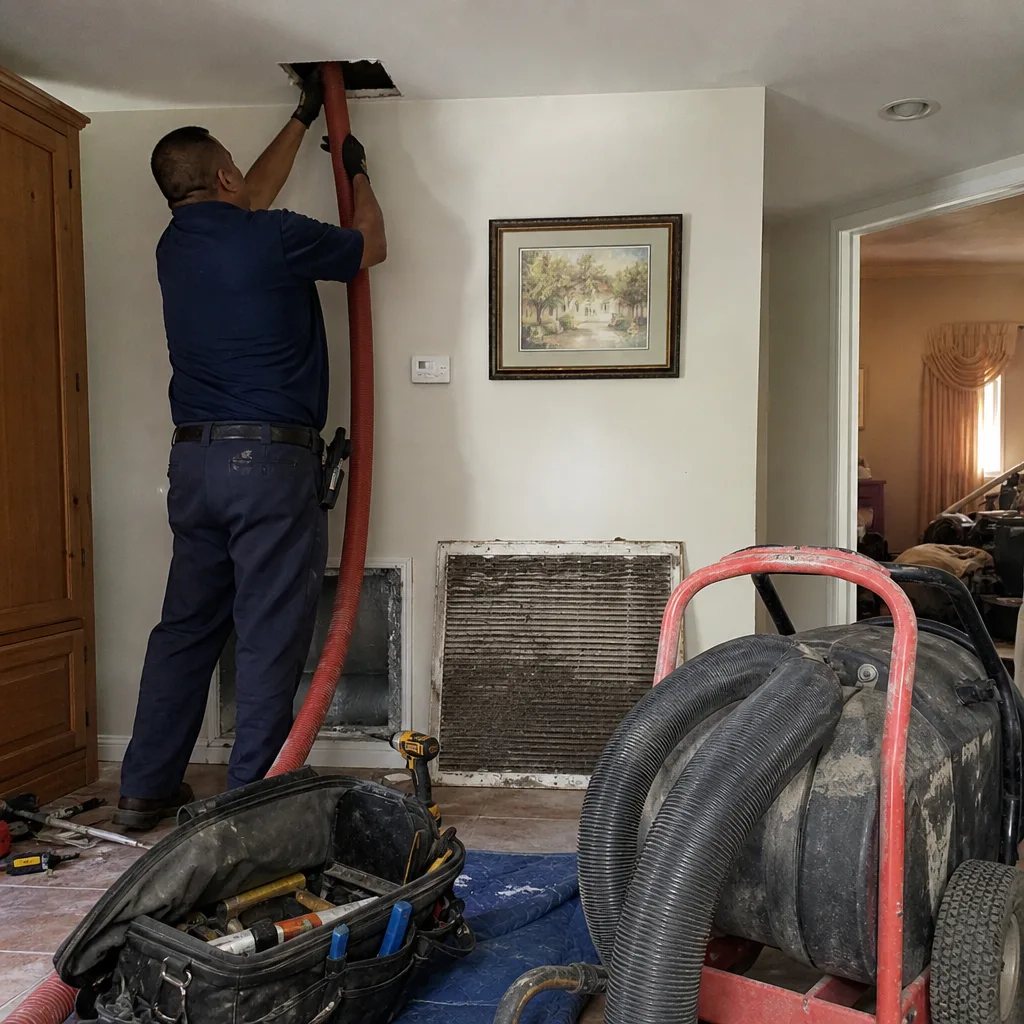 Before
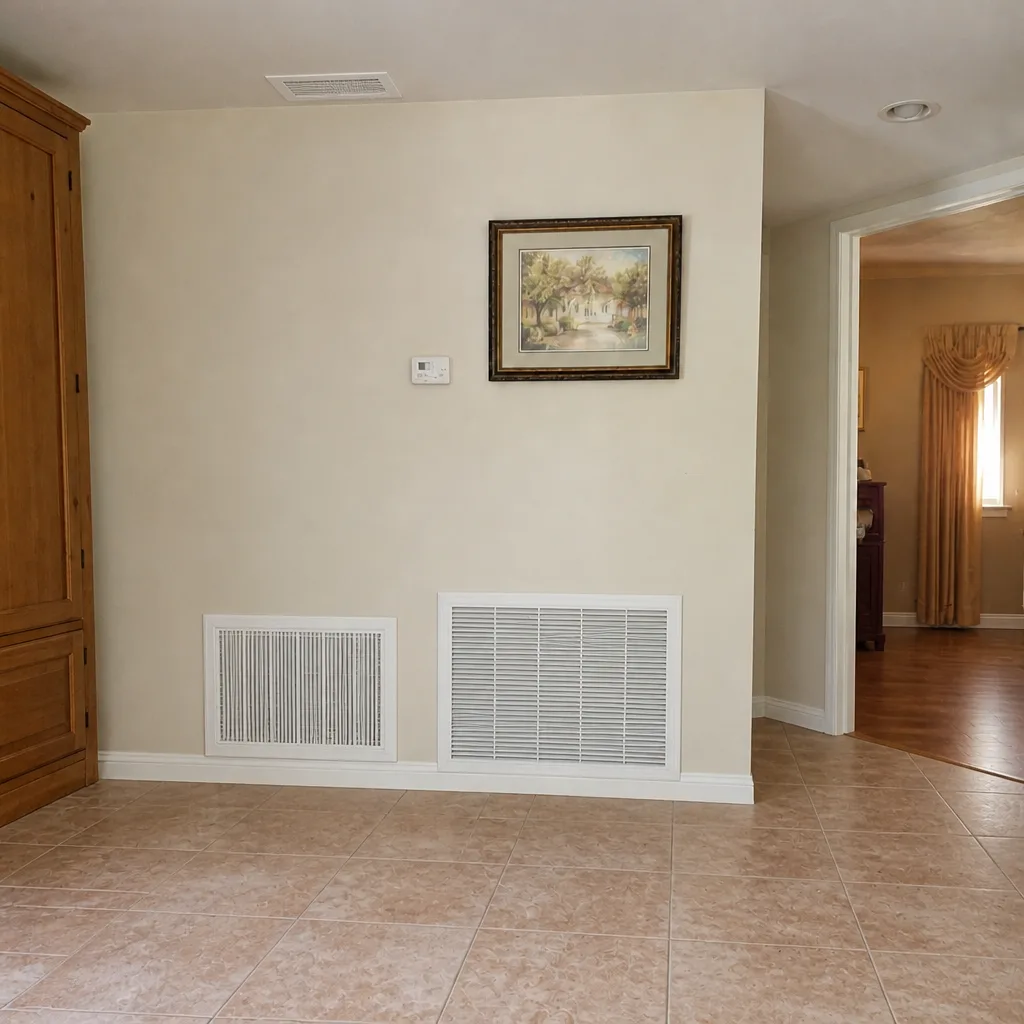 After
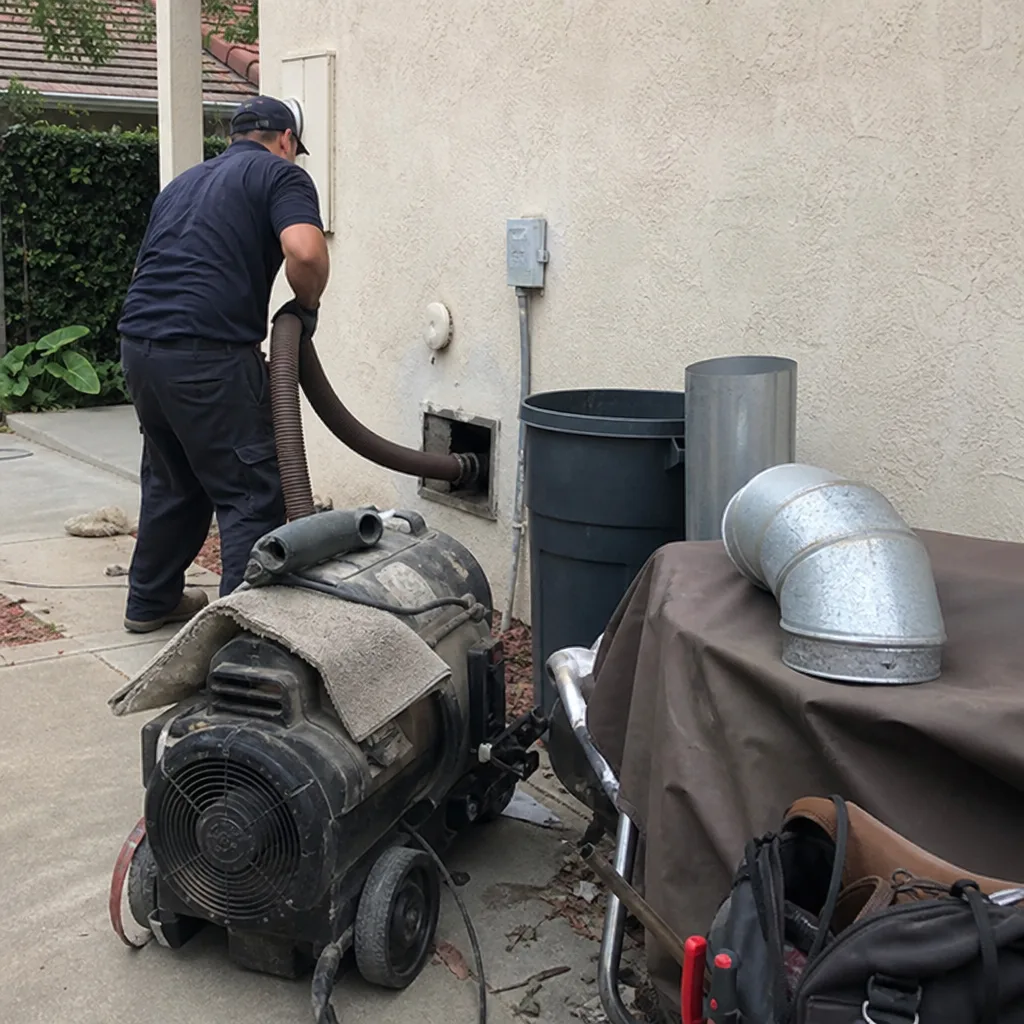 Before
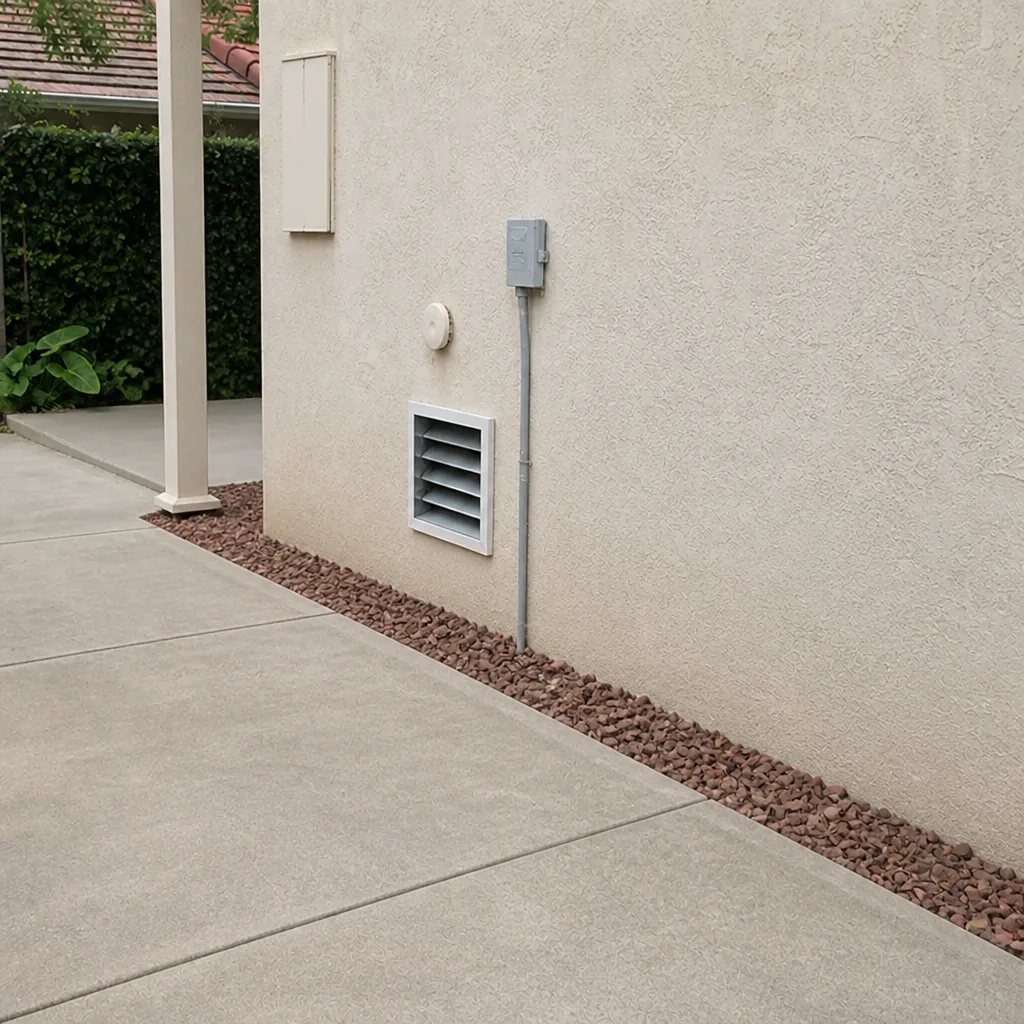 After
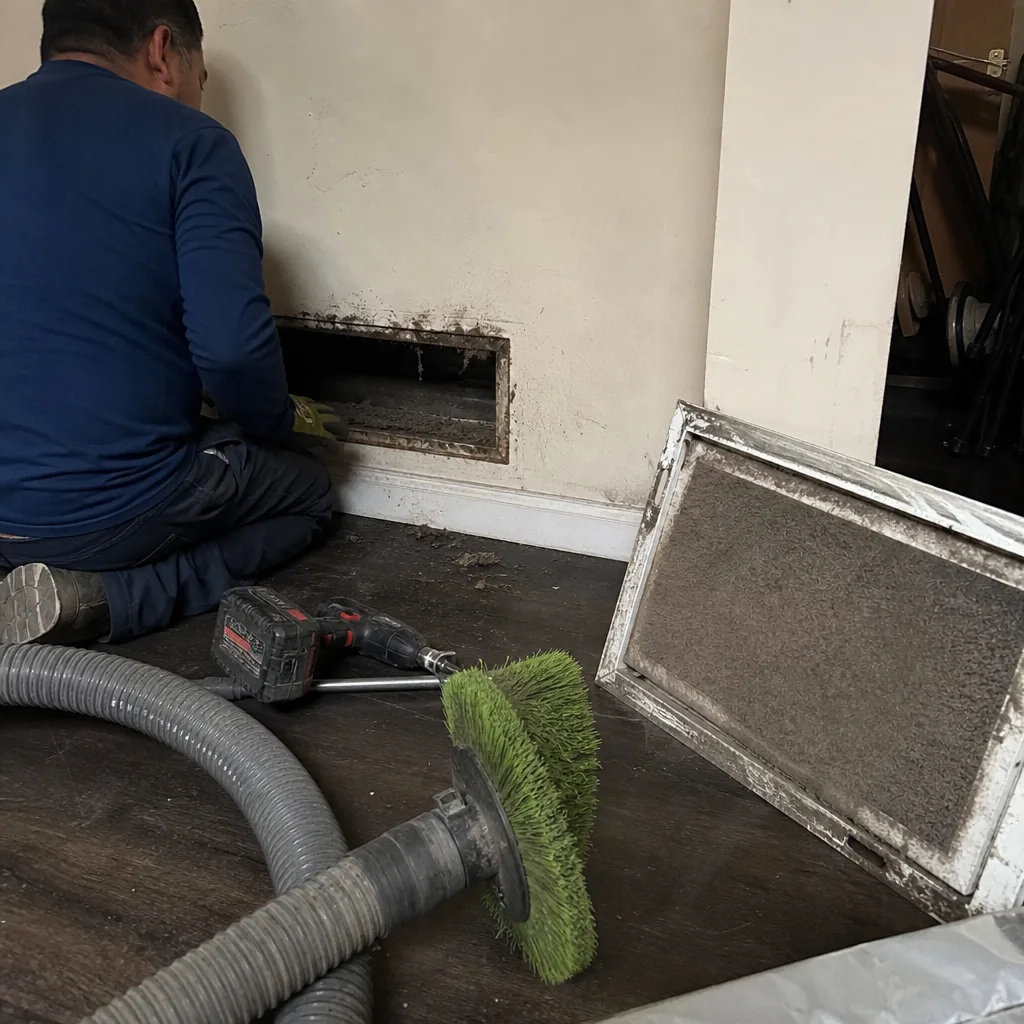 Before
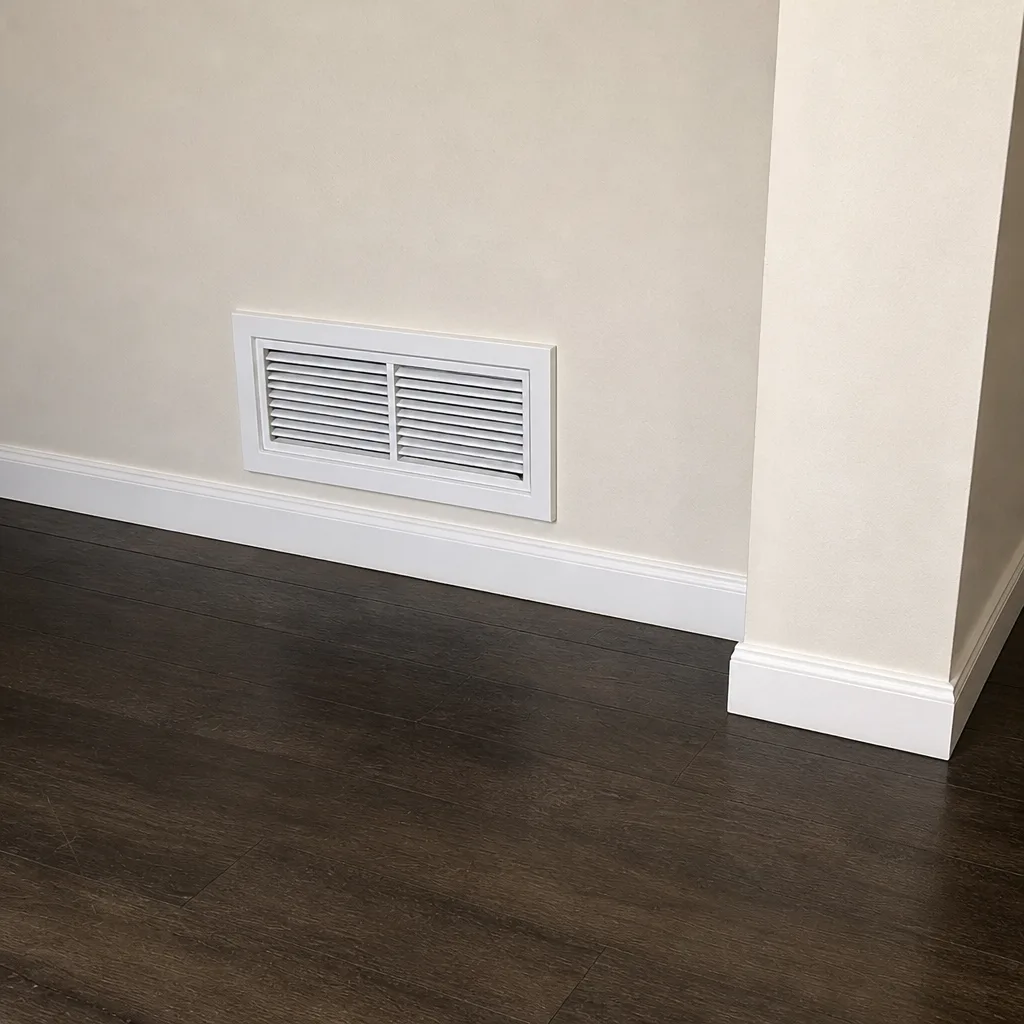 After
When to Call a Professional
A few scenarios should prompt a call rather than a wait-and-see. If you’ve just come through a strong Santa Ana wind season and the filter loaded up faster than usual, that’s a cleaning signal. If a musty or damp smell appears at the return during the marine layer months, that’s a moisture signal that deserves an inspection, not a bottle of air freshener. If summer comfort complaints point to leakage, that’s a sealing job. And if wildfire smoke was heavy in your area, a post-smoke inspection is worth scheduling no matter what your calendar says.
Beyond those triggers, the honest answer is this: if you can’t remember the last time the system was cleaned, it’s been too long. A professional inspection is the safest way to know. Costa Mesa Air Duct Cleaning Co offers free estimates in Costa Mesa – call (855) 337-2150. Our technicians have up to 9 years of experience, and we answer questions before you commit to anything.
Frequently Asked Questions
A full-system cleaning roughly every two to three years fits most Costa Mesa homes, with targeted checks between cleanings based on the seasonal calendar. Homes with pets, recent renovation dust, or respiratory sensitivity tend toward the shorter end of that range. Call (855) 337-2150 for an exact quote on your home – estimates are free.
Pricing depends on the size of the system, the number of runs, and the condition we find, so it’s set per job by a written estimate rather than a per-vent rate. What we can tell you is what we don’t do: no per-vent pricing, no coupon price that becomes a bigger invoice once we’re on site, and no surprise add-ons. The written estimate sets the final price. Call (855) 337-2150 for a free estimate.
Cheap quotes usually come from operators using consumer-grade equipment that can’t reach the coil or hold extraction pressure, so what looks like a cleaning is often a grille wipe. Honest whole-system pricing reflects real equipment, real labor, and real documentation. If a quote seems dramatically lower than others, ask what equipment will be used and whether you’ll see before-and-after photos of your own system. Call (855) 337-2150 for a quote you can compare against.
Ask for before-and-after photos of your own ducts and coil, not stock images, and ask to see the interior of a supply and a return run directly. A company with real equipment will welcome the question. We document what we find before cleaning and what it looks like after. Call (855) 337-2150 to schedule an inspection.
Yes. Fine smoke particulate passes through standard filters and can settle on duct walls and the evaporator coil, often with an acrid residue that lingers. Shut the HVAC down while smoke is heavy outside, replace the filter once it clears, and schedule a post-smoke inspection of the return side and coil. Call (855) 337-2150 if you’re unsure whether your system needs one.
The overnight marine layer humidity does affect ducts, particularly return plenums, flex duct liner, and any surface that stays below the dew point. Trapped moisture between duct layers can support mold growth before any smell appears. Winter and spring inspections focus on catching those preconditions. Call (855) 337-2150 for a moisture-focused inspection in Costa Mesa.
The Bottom Line
Costa Mesa doesn’t have dramatic seasons, but it has a real air-quality cycle driven by Santa Ana winds, marine layer humidity, summer AC runtime, and wildfire smoke. Treating duct cleaning as a one-time event misses all four. The better approach is a calendar: inspect in fall after wind season, check moisture through winter and spring, watch for leakage in summer, and respond to wildfire smoke with a filter change and inspection. Handle routine filter care yourself, call a professional for anything beyond the grille, and ask for documentation you can actually see. If you want a professional read on your system, Costa Mesa Air Duct Cleaning Co offers free estimates – call (855) 337-2150. We answer 24/7. Fast dispatch from 7am to 7pm, Sunday through Friday.
Written by the team at Costa Mesa Air Duct Cleaning Co.