
Last updated November 25, 2026
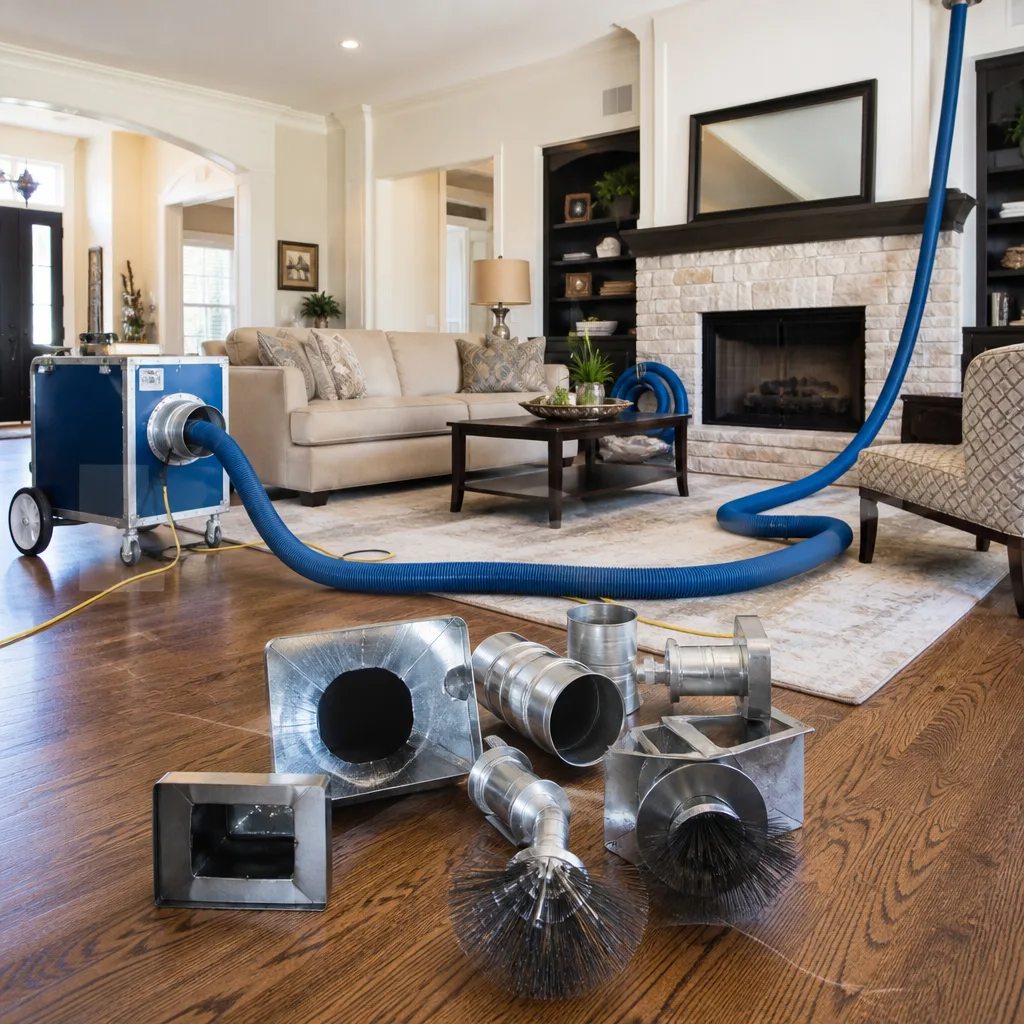 Whole-home duct cleaning
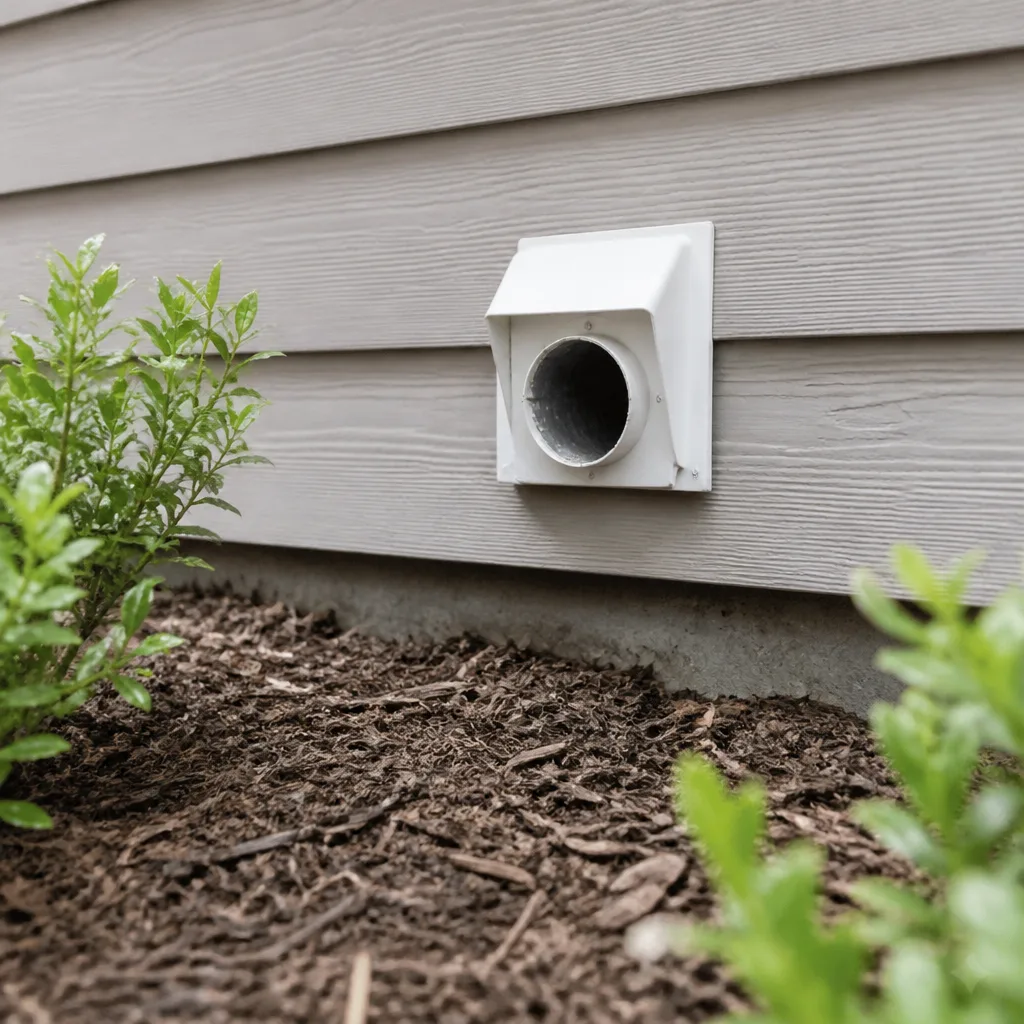 Dryer vent cleaning
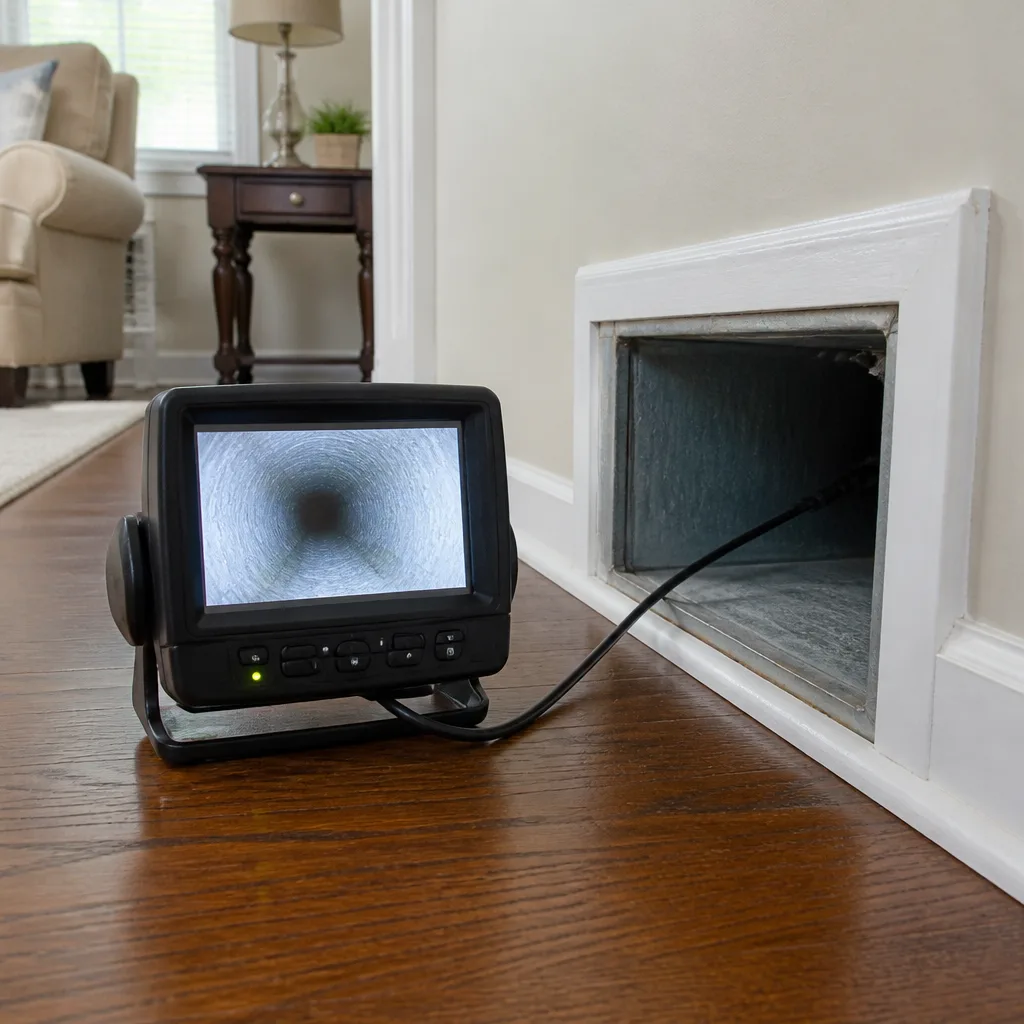 Camera inspection
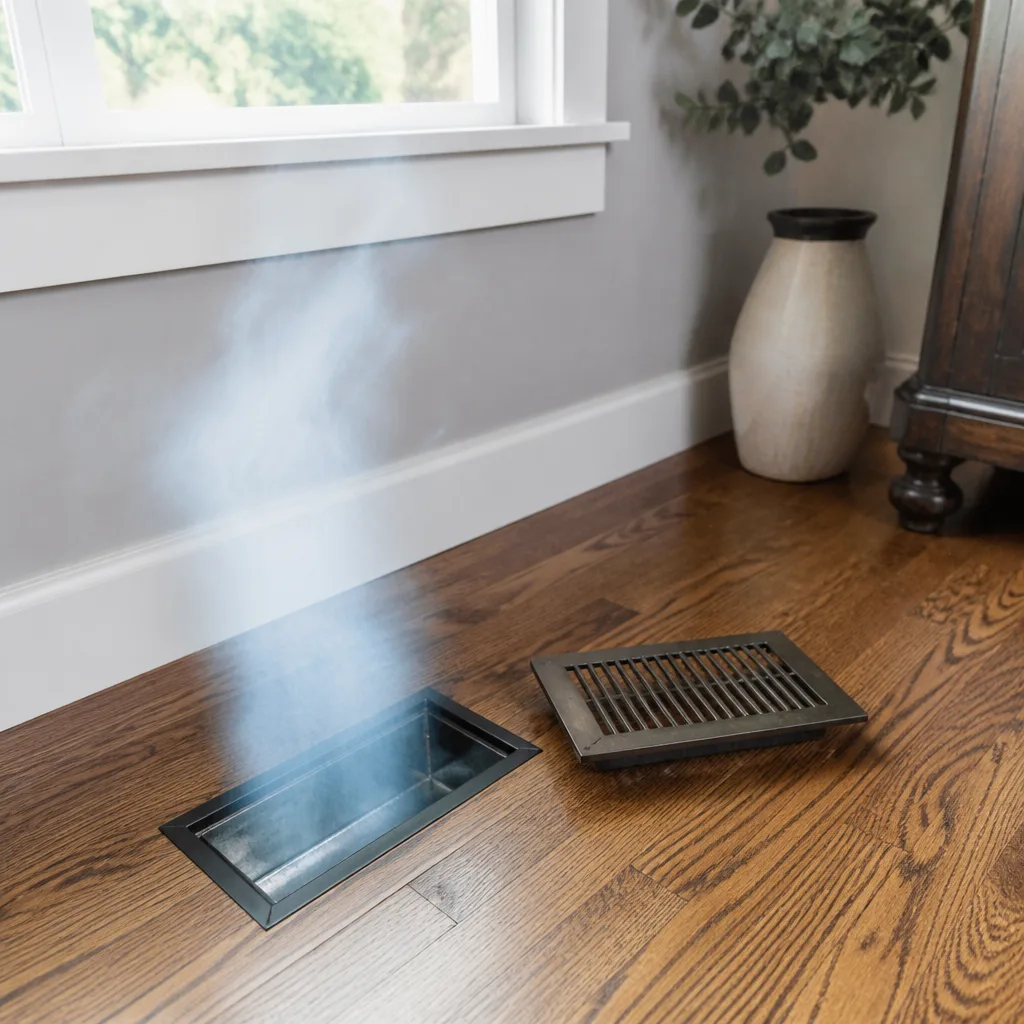 Sanitizing & deodorizing
Whole-system duct and dryer vent check with before-and-after photos - you see exactly what came out of your vents
That "$99 whole-house special" is a bait ad - the real number appears once they are in your hallway, or the "clean" is a shop-vac at the register. We photograph the inside of your ducts before and after instead.
Air Duct Cleaning Warning Signs: A Costa Mesa Homeowner’s Reference Guide
If one room in your home is always dusty two days after cleaning, your duct system is the most likely cause, and no amount of better dusting will fix it. Most people read that as an HVAC problem, an allergy flare-up, or a quirk of an older Costa Mesa house. It usually isn’t. Here’s what we’ve learned after years of opening up duct systems across this city: the symptoms show up in the rooms you live in, but the origin is almost always in the air pathway behind the walls. This guide teaches you to trace each symptom back to its source, so you know what you’re actually dealing with and who to call. We’ll cover dust patterns, odor diagnostics, airflow imbalance, debris grading, and energy bill anomalies.
Quick Answer
The main warning signs that your Costa Mesa home needs air duct cleaning are: dust returning to one room within a couple of days of cleaning, musty or unusual odors coming from vents, uneven room temperatures that don’t respond to damper adjustments, visible fibrous or dark debris at the registers, and rising energy bills with no other explanation. Any one of these is worth a professional look. Two or more together usually means the problem is in the duct system itself, not the HVAC equipment.
Styles & brands we work with
- Whole-home duct cleaning
- Dryer vent cleaning
- Camera inspection
- Sanitizing & deodorizing
Table of Contents
- What dust patterns reveal about your duct system
- Odor diagnostics: what each smell tells you
- Airflow imbalance as a structural warning sign
- Grading visible debris at your registers
- Energy bill anomalies and duct leakage
- Supply vs. return contamination: how to tell them apart
- When the problem is HVAC, not ducts
- Common mistakes to avoid
What dust patterns reveal about your duct system
Dust deposition patterns are the single most reliable at-home signal you have. Where dust lands, and how fast it returns, tells you more about the state of your duct interior than any visual inspection from a ladder. Once you learn to read those patterns, you can stop guessing and start narrowing down the cause.
The first distinction to make is between surface dust and airborne sediment. Surface dust settles evenly and can be wiped away with a microfiber cloth. Airborne sediment, the kind pushed out of a contaminated duct, reappears quickly and unevenly, often concentrated in specific spots.
How to read the pattern
- Choose a test surface. A dark wood table or a glass shelf works well. Wipe it clean and note the date.
- Check back in 48 hours. If a visible film has returned, especially in a concentrated streak, your supply side is pushing particulates.
- Note the location. Dust collecting directly under or near a register points to that branch. Dust collecting across one whole room points to an imbalance in supply volume.
- Compare rooms. If one room dusts faster than the others, that duct run is the prime suspect.
In Costa Mesa, we see this pattern most often in homes near busy corridors where road dust is a constant, and in older neighborhoods where original ductwork has developed small cracks. The dust itself isn’t the problem so much as the vehicle delivering it. If your dust returns within two days of a deep clean, that’s a duct contamination signal, not a housekeeping failure. Our air duct cleaning service addresses the source, and we show you what we find before we clean it, and after.
Odor diagnostics: what each smell tells you
Odors are the hardest symptom to interpret because the same “bad smell” can come from four different sources. Identifying which one you have is what separates a duct cleaning job from a mold remediation, a rodent exclusion, or an HVAC service call. Here’s how we distinguish them in the field.
The four odor categories
- Musty, earthy, or damp smell. This is the mold signature. It’s most common in homes with high indoor humidity, or duct runs that pass through unconditioned spaces. Mold growth inside a duct system needs professional containment, which is why we carry Abatement Technologies negative-air equipment for jobs that go beyond routine dust.
- Ammonia or urine smell. Rodent activity. Rodents use duct systems as highways, and their waste leaves a distinct odor that cleaning alone won’t fully resolve. You’ll often see droppings near registers or hear scratching in the walls.
- Burned, metallic, or electrical smell. This points to HVAC equipment, not the ducts. It could be a failing motor, a wiring issue, or overheating components. Treat it as an electrical concern and have the system inspected before running it further.
- Chemical or off-gassing smell. New furniture, fresh paint, carpet, or renovation materials release VOCs that get pulled into the return and distributed throughout the house. Regular cleaning won’t remove the source, but a duct system with proper filtration and sanitizing can reduce the concentration noticeably.
When we arrive on a Costa Mesa job, we smell the system before we touch it. That first impression guides the equipment we bring in. If the odor is mold or rodent-related, our process shifts to containment and sanitizing rather than standard contact cleaning. Every eligible job closes with Guardsman-branded sanitizing, a named and traceable step, not an unnamed spray.
Airflow imbalance as a structural warning sign
Uneven room temperatures are usually blamed on dampers or a weak HVAC unit. In our experience, most of these complaints trace back to the duct system itself. If you’ve adjusted the dampers and the rooms still don’t balance, you’re not looking at a damper problem. You’re looking at a duct condition problem.
What airflow imbalance actually indicates
Airflow is a volume equation. Your HVAC blower pushes a set amount of air, and the duct system distributes it. When a duct run is crushed, disconnected, or heavily contaminated, less air reaches the far rooms. The rooms closest to the air handler get more air than they need; the far rooms get less. The result is a house that’s warm in the hallway and cool in the bedroom no matter what you do with the thermostat.
Four structural causes dominate:
- Disconnected or crushed runs. Common in older Costa Mesa homes where ductwork was retrofitted through tight spaces. A single disconnected joint can cut off an entire room.
- Undersized or restricted returns. If the return can’t pull enough air back to the handler, the whole system starves. Rooms closest to the return suffer most.
- Heavy interior contamination. A duct lined with accumulated debris narrows the effective diameter and restricts flow. This affects every room downstream.
- Leaking joints. Gaps at connections leak conditioned air into the walls before it reaches the register.
In our experience, a room that runs three to five degrees different from the rest of the house, with no obvious damper issue, is a duct condition worth testing. Our HVAC cleaning and duct inspection together will tell you whether you’re dealing with contamination, a structural problem, or both.
Grading visible debris at your registers
Not all debris is equal. What you see at the register is a sample of what’s inside the duct, and how you grade it tells you how serious the problem is. We grade register debris into three tiers during evaluation, and the tiers correspond to different cleaning approaches.
Tier 1: Surface dust
Fine, gray, uniform dust on the register louver only. This is normal household dust that settles on the grille face. It rarely extends beyond the register face and responds to routine cleaning. If this is the only sign you have, you probably don’t need a full duct cleaning yet. Keep an eye on it.
Tier 2: Fibrous material
Visible fibers, lint, or pet hair protruding from the register or coating the louver. This signals that material is being drawn through the return and deposited in the supply side. It often correlates with pets, older carpet, or loose attic insulation pulled into the ductwork. Tier 2 is a real warning sign and warrants a professional look, especially if you see it at more than one register.
Tier 3: Dark particulate or staining
Dark black or brown substance on the register, streaks around the louver, or staining on the wall or ceiling near the register. This is the most serious tier. Dark particulate can indicate soot, mold spores, or combustion byproducts. If the staining is around the register on drywall, you may also be looking at a moisture problem behind the wall. Tier 3 always calls for professional evaluation before you run the system further.
Our technicians have up to 9 years of experience reading these signs. We use Rotobrush and Nikro equipment, which lets us clean both by contact and by negative-air extraction depending on what the register tells us. In Costa Mesa, where dry air dominates most of the year, Tier 2 and Tier 3 signs tend to develop faster than homeowners expect. For the full range of what’s involved in resolving them, see our Costa Mesa Air Duct Cleaning Co service overview.
Energy bill anomalies and duct leakage
Your energy bill is an audit of your duct system you’re already running every month. When the bill climbs with no change in usage, the duct system is one of the first places to look. Increased runtime, the amount of time the HVAC blower actually runs, is the number to watch.
How to read an abnormal bill
- Compare the same month year over year. Same household, same habits, same weather. A meaningful jump is worth investigating.
- Watch for runtime creep. If the system runs noticeably longer to reach the set temperature, it’s working harder to deliver the same result.
- Cross-check against airflow imbalance. If some rooms never reach setpoint, the system runs longer because it’s fighting the leak.
- Request a leakage test. When bills climb and airflow is uneven, a leakage test measures what your duct system is actually losing. This is the point where guessing stops and diagnostics begin.
Leakage rates matter because they compound. A small gap at a joint leaks conditioned air into the wall cavity year-round. During the hotter months in Costa Mesa, that gap costs you twice: once for the energy you spend conditioning the air that leaves, and again for the energy you spend conditioning the outdoor air that enters through the same gap. If the bill climb lines up with everything else in this guide, a duct cleaning and leakage inspection together will tell you where the loss is happening. Our dryer vent cleaning is a separate but related service if you also notice the dryer running long or the laundry room getting humid.
Supply vs. return contamination: how to tell them apart
Supply and return ducts fail in different ways, and the distinction matters because it changes the cleaning approach. Return side contamination pulls debris into the system; supply side contamination pushes it into your rooms. Both are common in Costa Mesa homes, but the visible signs differ.
Signs of return duct contamination
- Debris concentrated at the return grille, especially the filter slot
- A filter that clogs faster than expected, sometimes within weeks
- Musty smell strongest when the blower kicks on
- Visible fibrous material around the return opening
Signs of supply duct contamination
- Dust returning quickly to one or more rooms within 48 hours of cleaning
- Streaking around supply registers on the wall or ceiling
- Debris at the supply register louver but not at the return
- Uneven dust levels from room to room
Return contamination is upstream. What’s in the return ends up distributed to every supply branch downstream. In our experience, when both sides show contamination, cleaning the return first and then evaluating the supply branches gives a clearer picture of what’s in the actual duct interior. Honeywell and Aprilaire filtration solutions can be fitted at the return as part of the same visit, which is the most effective way to reduce how fast the problem returns.
When the problem is HVAC, not ducts
Not every symptom in this guide is a duct problem. Some are HVAC equipment problems that need a technician, not a duct cleaner. Knowing the difference saves you money and gets the right specialist in the door.
Signs that point to HVAC equipment rather than the duct system:
- Burned or electrical smells from the vents (stop running the system)
- Ice forming on the refrigerant line or indoor coil
- Short cycling, meaning the system turns on and off repeatedly
- A blower that runs continuously or won’t start
- Water pooling near the air handler
These are HVAC service issues. Duct cleaning won’t fix them, and pretending otherwise wastes your time. But there’s a middle ground: HVAC components, coils, and blower assemblies accumulate the same debris the ducts do, and that buildup reduces efficiency and pushes dust into the supply air. Our HVAC cleaning service is designed to address the equipment and the ducts as one air pathway, so you don’t end up hiring two separate contractors for one job.
Common Mistakes to Avoid
- Dusting more instead of diagnosing. When one room dusts fast after cleaning, the fix isn’t more frequent cleaning. It’s finding out where the dust is coming from, and in most Costa Mesa homes that means the duct run serving that room.
- Assuming a damper adjustment will fix uneven rooms. Dampers can balance airflow between rooms, but they can’t fix a crushed or disconnected duct. If you’ve adjusted dampers and the room still runs several degrees off, the cause is structural.
- Treating every bad smell as mold. A musty smell at the vent could be mold, but ammonia or urine smell means rodent activity, and a burned smell means electrical. Each one needs a different response, and mold in particular needs professional containment.
- Ignoring staining around a register. Streaking or staining on the drywall near a register can indicate a moisture problem behind the wall, which is a bigger deal than the surface dust sitting in front of it.
- Calling the cheapest coupon operator and expecting a full diagnosis. A low price usually covers a partial cleaning. If you need to know what’s actually going on inside the duct system, you want equipment that can do contact cleaning and negative-air extraction, and technicians who can read the debris grading before they start.
- Skipping the return-side inspection. A lot of duct cleaning work focuses on the supply registers because they’re visible. The return side is where the contamination most often starts, and if it’s overlooked, dust will be back in a week.
- Running the system with visible Tier 3 debris. If you see dark particulate, soot, or staining at a register, stop cycling the air until you’ve had the system evaluated. It’s the one case where waiting costs you.
When to Call a Professional
Call a professional when two or more warning signs from this guide overlap, or when any single Tier 3 sign appears. That means dark staining at a register, a persistent musty smell every time the blower kicks on, a room that never balances after damper adjustment, or a dust problem that returns within 48 hours of cleaning. Any one of these is worth a look. Together they almost always mean the duct system needs attention, and often that the return side is contaminated.
We use Rotobrush and Nikro equipment, plus Abatement Technologies negative-air containment when the job requires more than routine dust. Costa Mesa Air Duct Cleaning Co offers free estimates in Costa Mesa, and we walk the system with you before quoting anything. Call (855) 337-2150. We answer 24/7. Fast dispatch from 7am to 7pm, Sunday through Friday. Closed Saturday.
See the difference
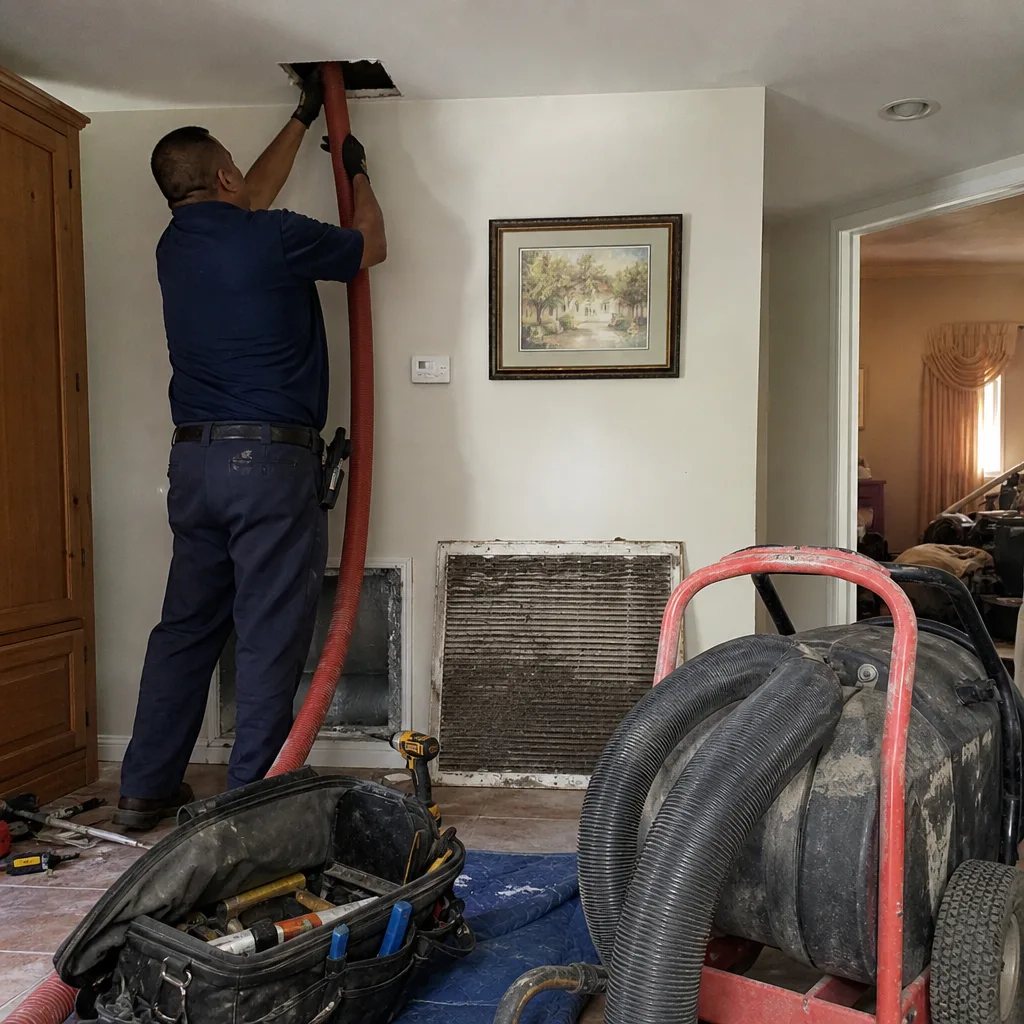 Before
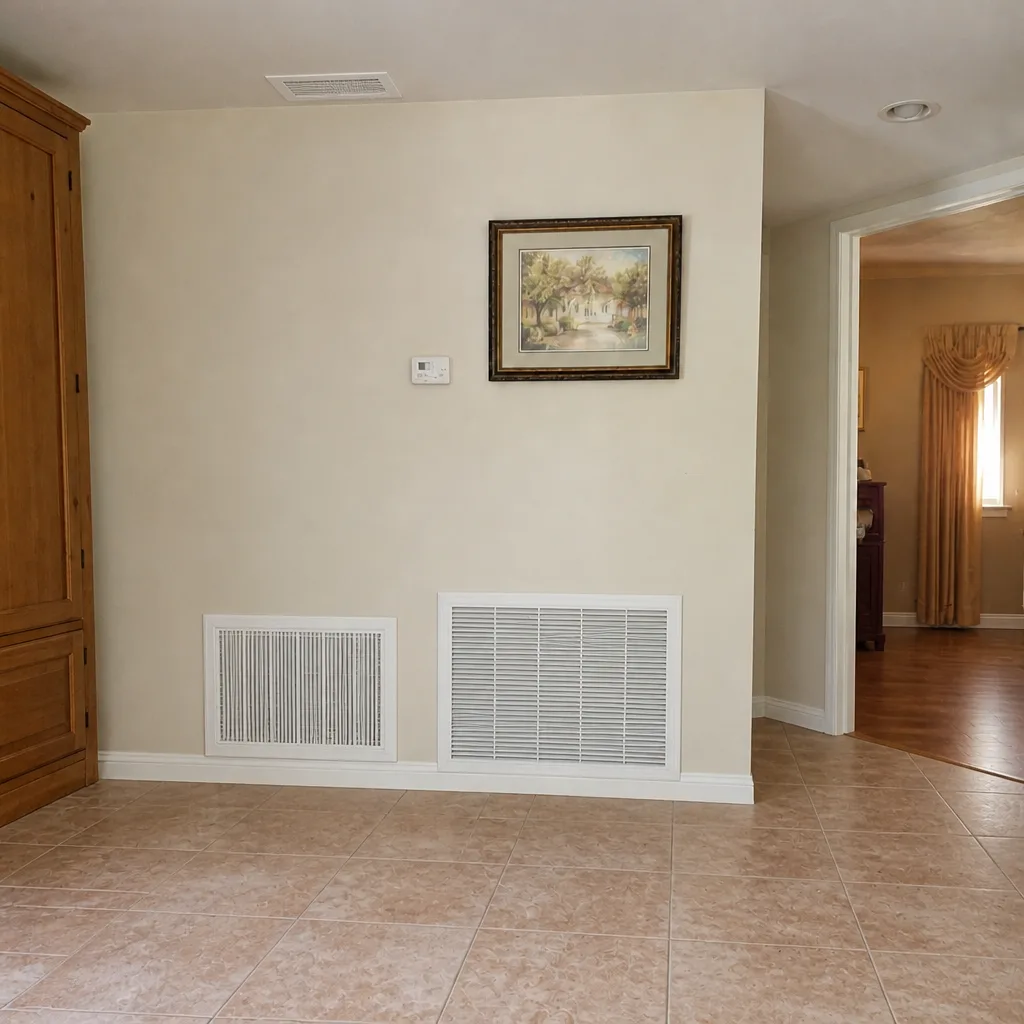 After
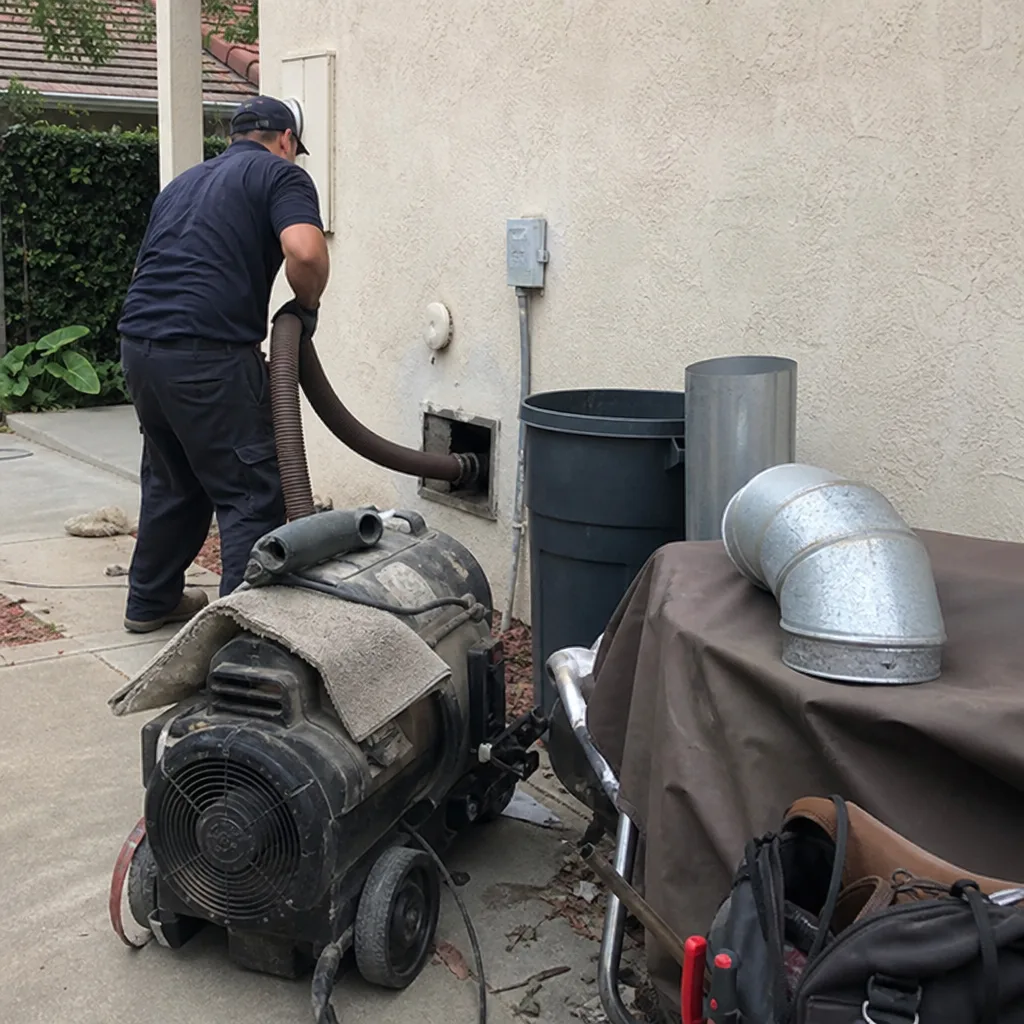 Before
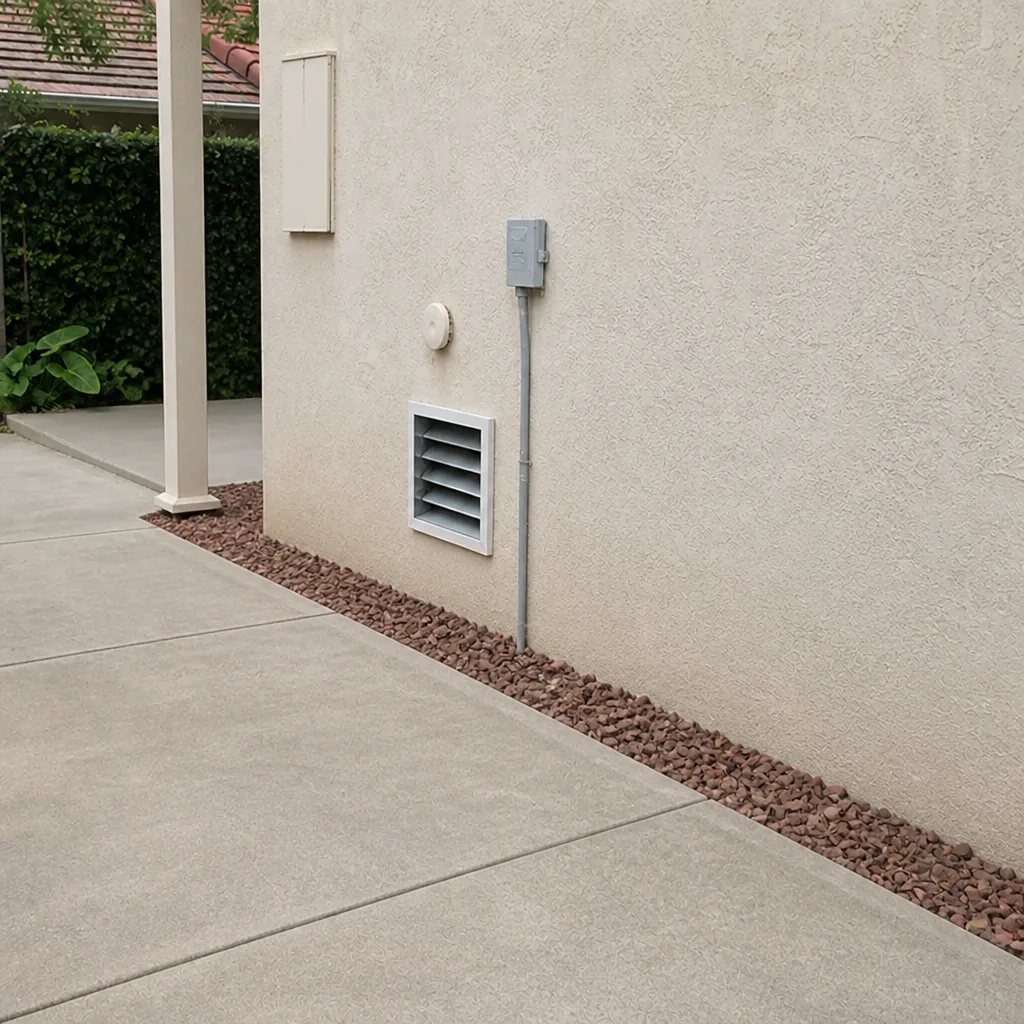 After
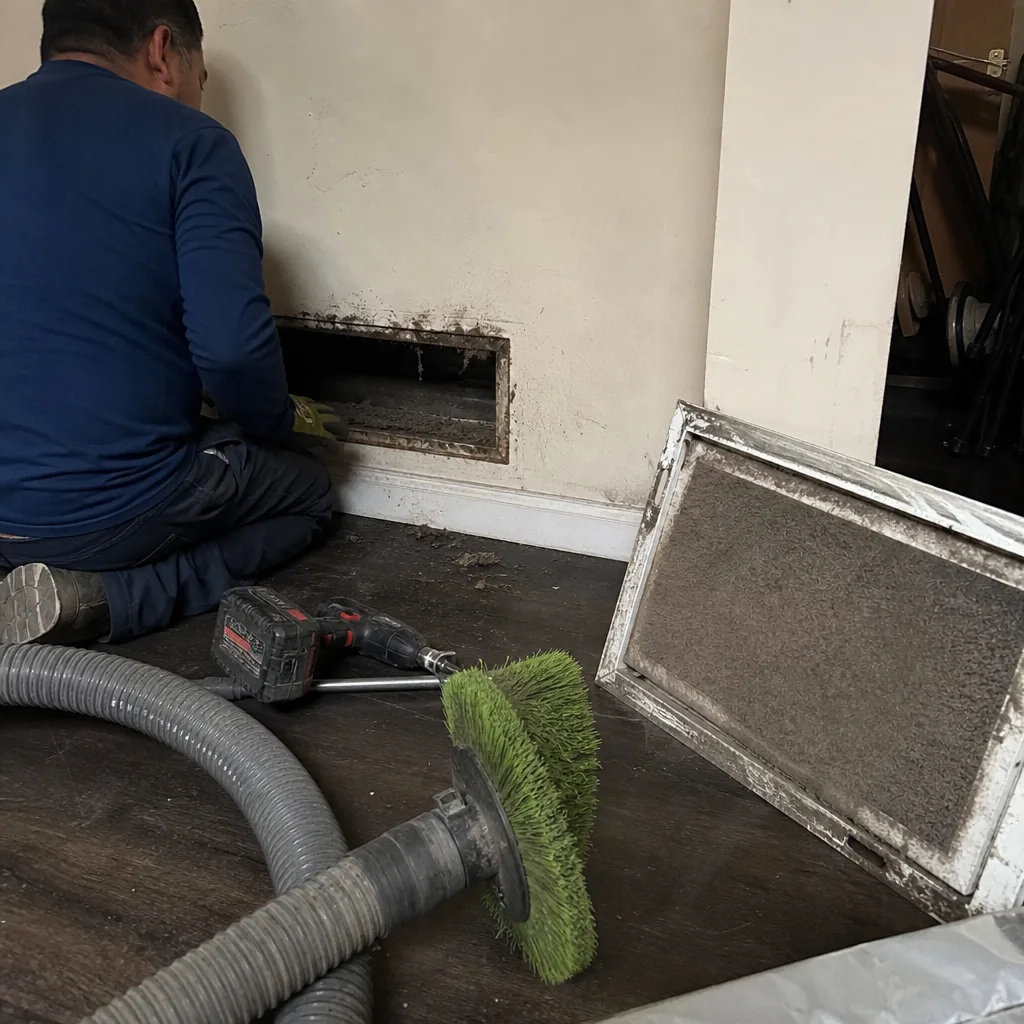 Before
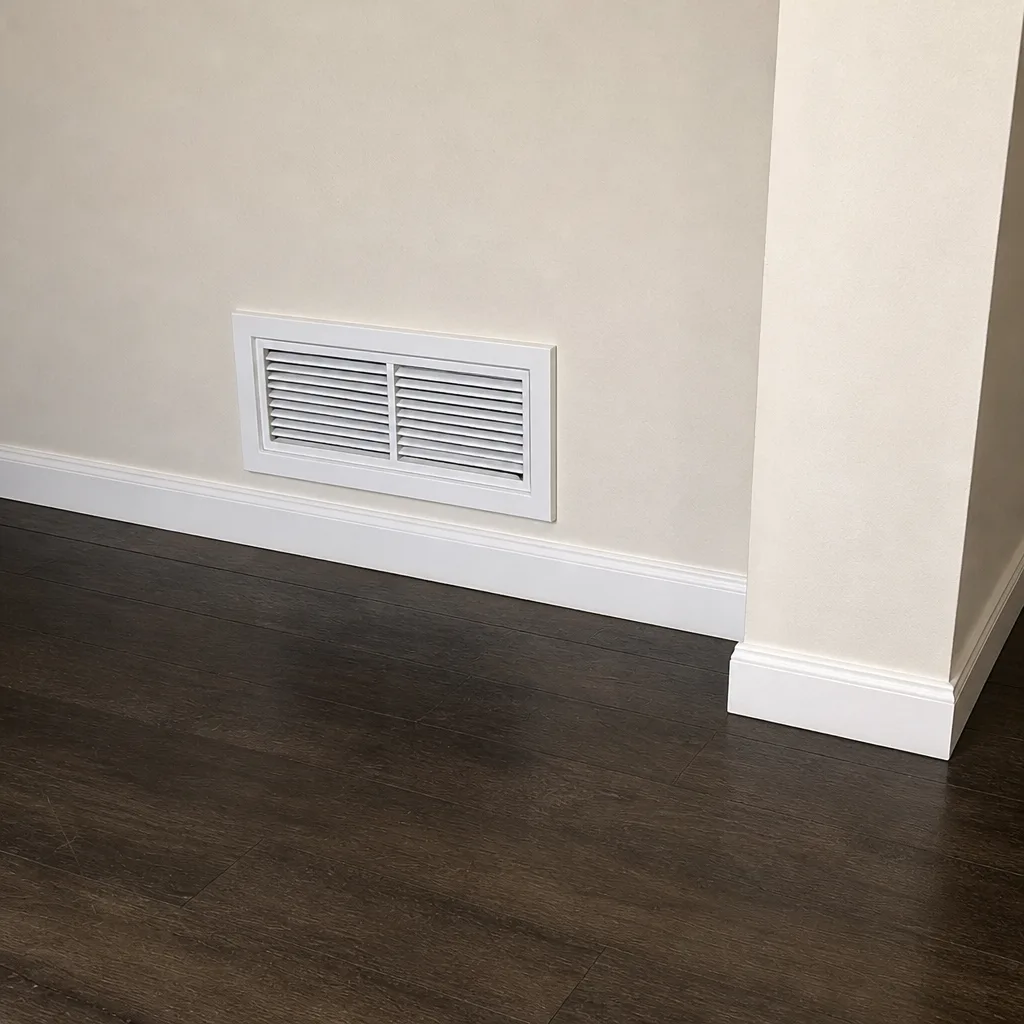 After
Frequently Asked Questions
The most reliable signs are dust returning to one room within 48 hours of cleaning, a persistent musty or unusual odor from the vents, uneven room temperatures that don’t respond to damper adjustments, visible fibrous or dark debris at the registers, and a rising energy bill with no other explanation. Two or more together point to the duct system itself. Call (855) 337-2150 for a free estimate if you’re seeing any of them.
Most Costa Mesa homes don’t need scheduled cleaning on a fixed timetable. Clean when the signs appear, not on a calendar. Homes with pets, recent renovation work, or occupants with allergies or asthma tend to develop signs faster, and those homes benefit from a professional look sooner. Call (855) 337-2150 and we’ll tell you honestly whether the system needs cleaning now or later.
Cheap quotes usually cover a partial cleaning: the supply registers only, a single pass through the system, and no containment equipment. The return side gets skipped, mold or rodent contamination gets missed, and the dust comes back within weeks. A full-system price reflects what’s actually being cleaned and controlled. We quote per job by written estimate after walking the system, so the number you agree to is the number you pay. Call (855) 337-2150 for a free estimate.
Sometimes, yes, but not always. If the imbalance comes from heavy interior contamination restricting airflow, cleaning the duct run restores the flow and the room balances out. If the cause is a crushed, disconnected, or leaking duct, the fix is a repair and seal rather than a cleaning, and the cleaning comes afterward. A professional inspection tells you which case you’re in. Call (855) 337-2150.
Ask for before-and-after photos of your own ducts, not stock images or a generic report. Ask what equipment is being used, whether negative-air containment is part of the job if contamination is suspected, and whether a named sanitizing step is included at the end. We show you what we find before we clean it, and after. If you’re not sure what to ask, call (855) 337-2150 and we’ll walk you through it.
Yes, in a specific way. The dry air most of the year means less moisture in the system overall, which limits mold growth but lets fine dust stay airborne longer and settle more slowly into the duct interior. That combination often hides contamination from casual inspection, and signs show up later than they would in a more humid climate. It’s one reason we look inside the system before assuming what’s there. Call (855) 337-2150 if you want a look at yours.
The Bottom Line
The most misread signs in Costa Mesa homes are the ones that look like something else: dust read as a housekeeping issue, uneven temperature read as a damper issue, an odor read as an allergy issue. Each of those symptoms has a duct-side origin worth checking. Read your dust patterns, grade the debris at your registers, sort the smell into its category, and cross-check the energy bill. If two or more of those signals line up, the duct system is the place to look. We use professional-grade equipment to find out and our technicians have up to 9 years of experience reading what the system tells them.
Ready for a Real Diagnosis?
If this guide has matched a pattern in your home, the next step is an inspection. Costa Mesa Air Duct Cleaning Co covers the full air pathway in one visit: cleaning, dryer vent clearing, HVAC cleaning, repair and sealing, and whole-home sanitizing. We’ll show you what we find before we clean it, and after. Call (855) 337-2150 for a free estimate. We answer 24/7. Fast dispatch from 7am to 7pm, Sunday through Friday. Closed Saturday.
Written by the team at Costa Mesa Air Duct Cleaning Co.