
Last updated November 25, 2026
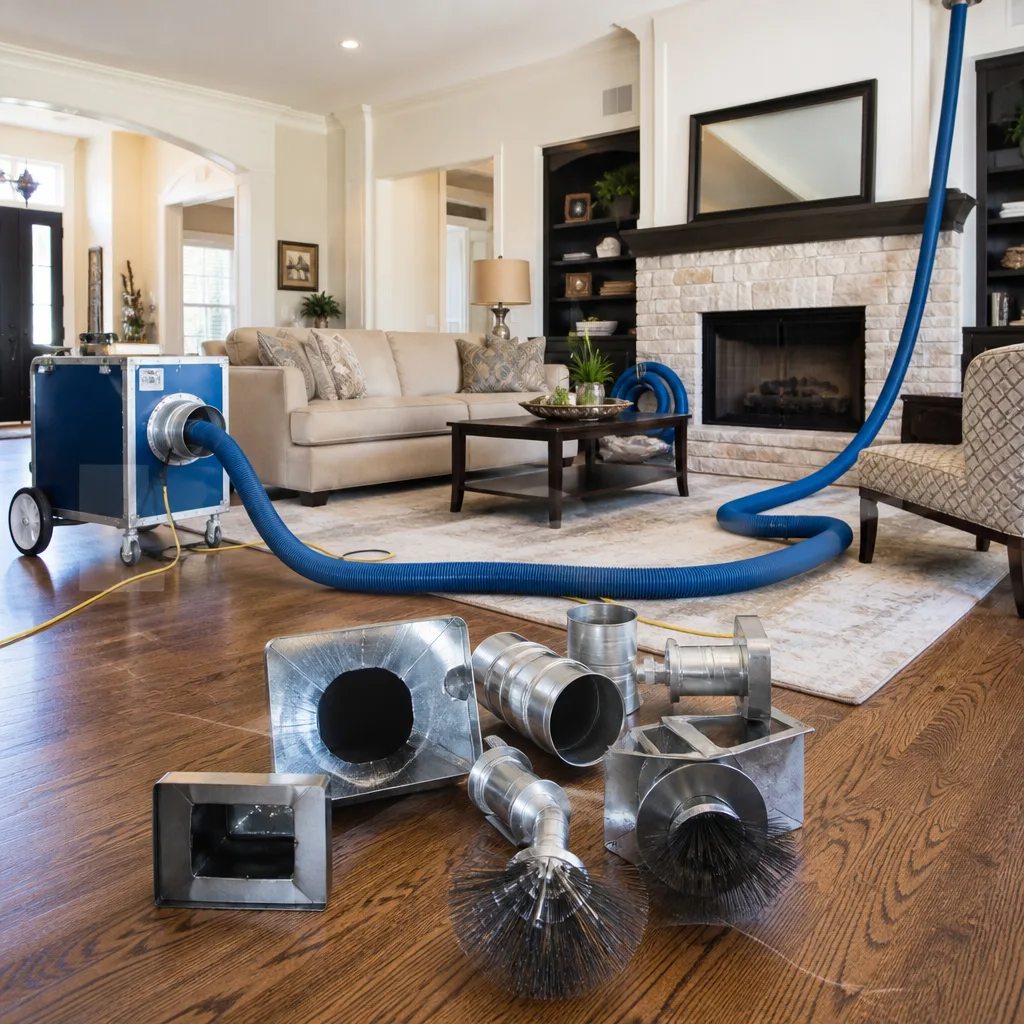 Whole-home duct cleaning
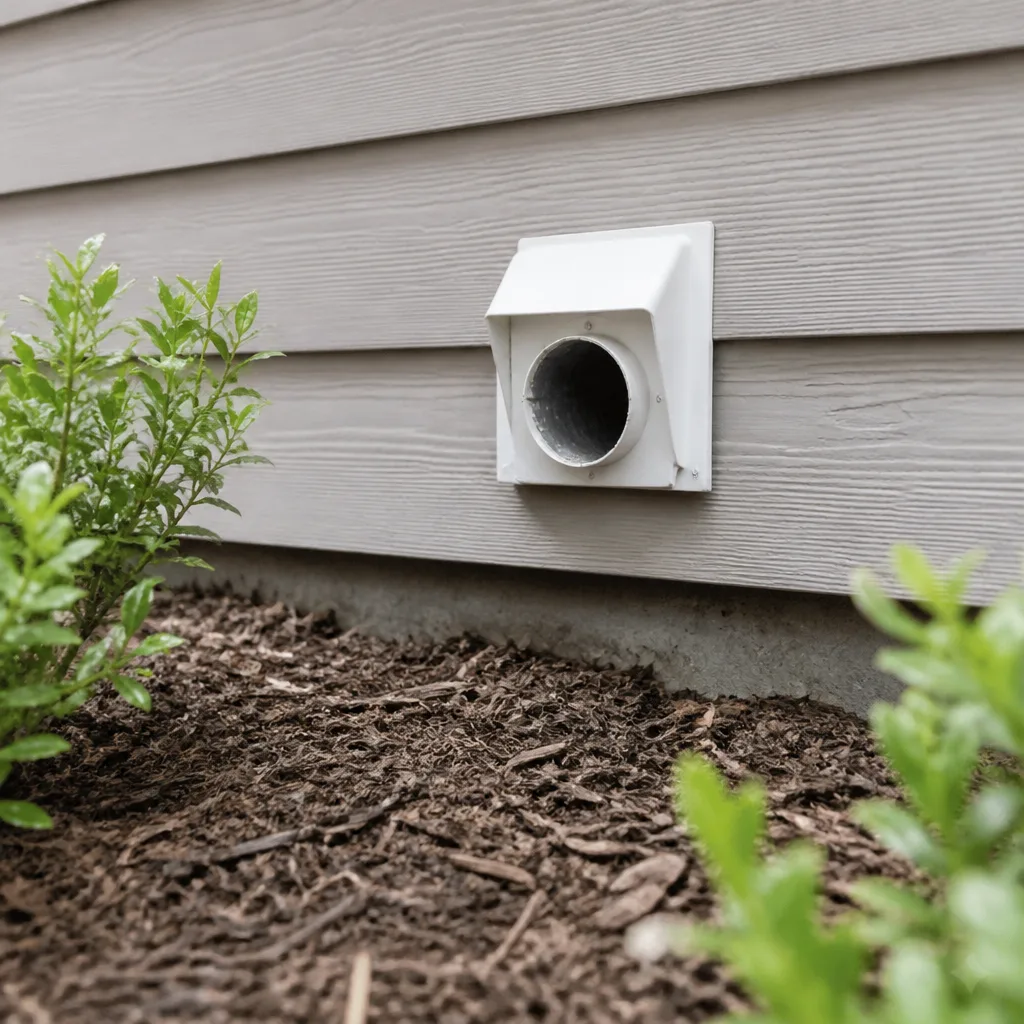 Dryer vent cleaning
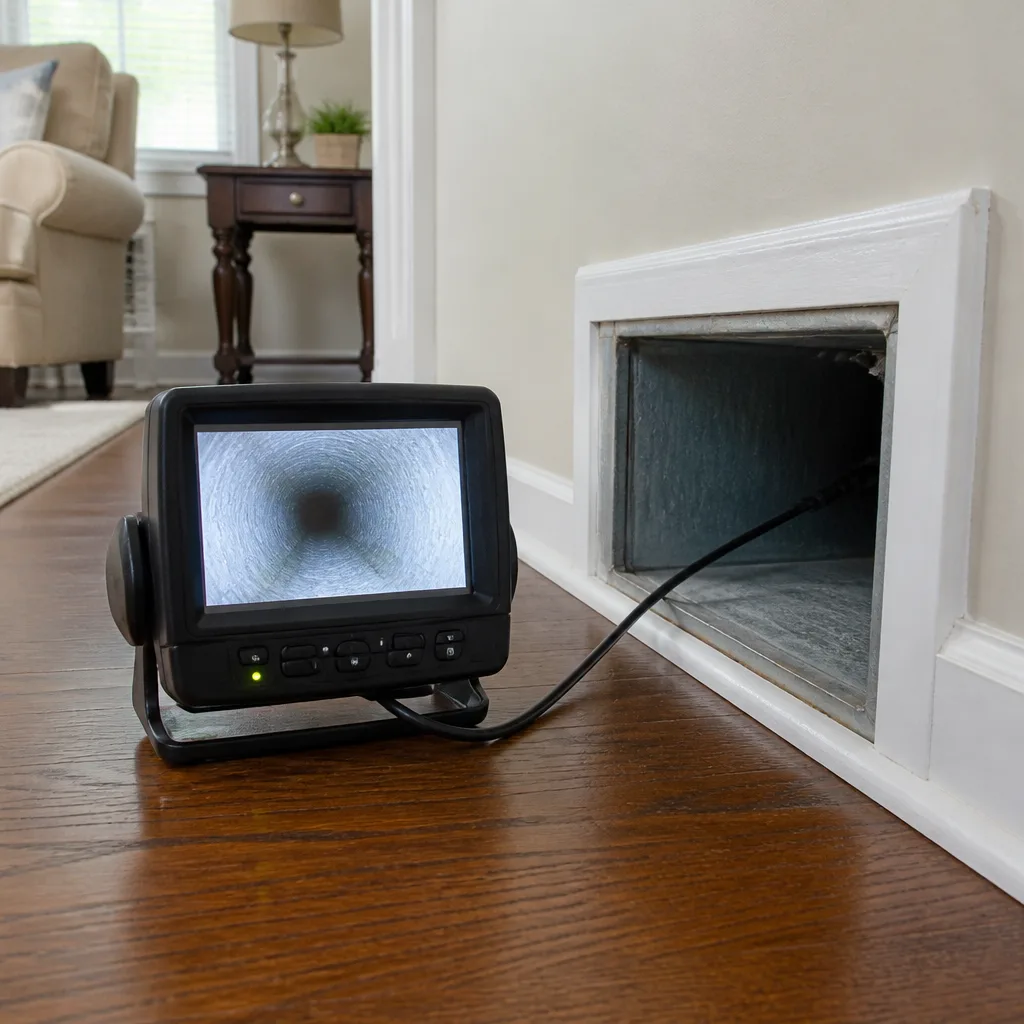 Camera inspection
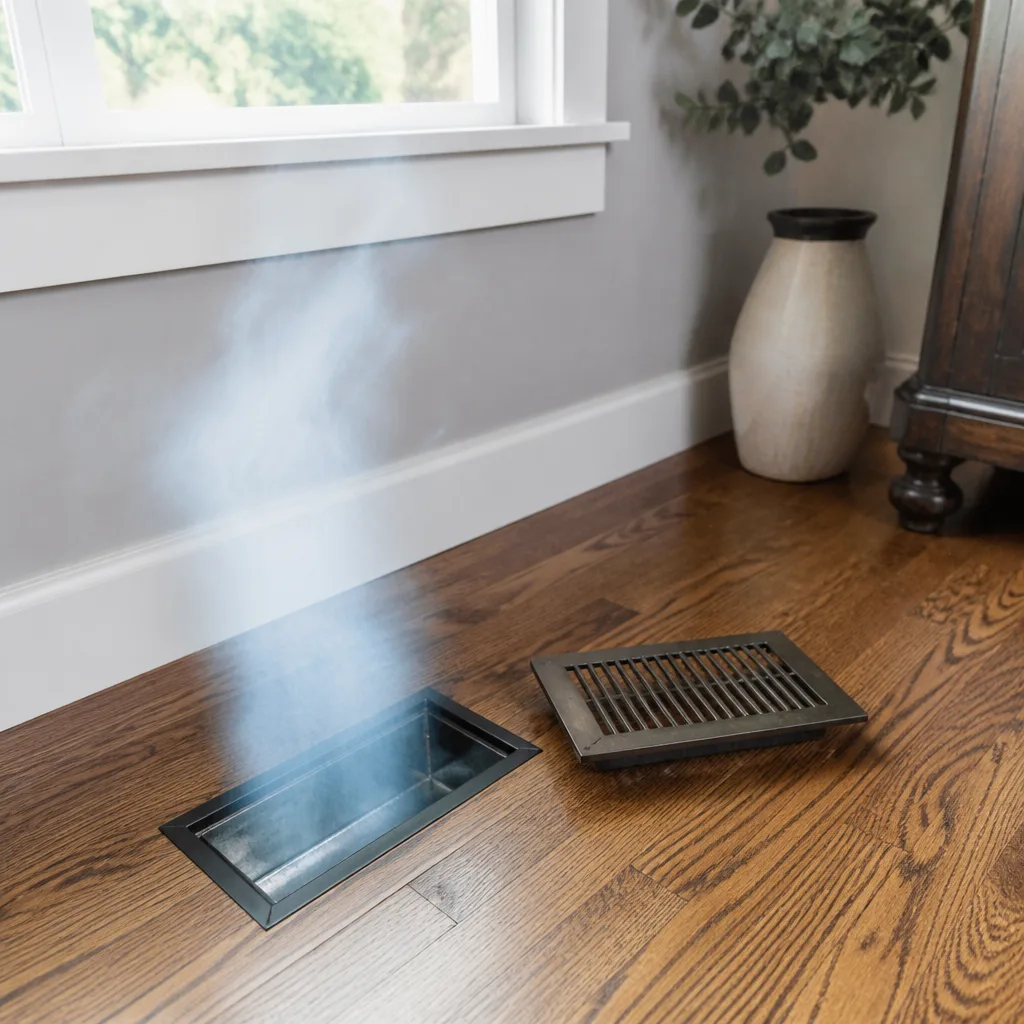 Sanitizing & deodorizing
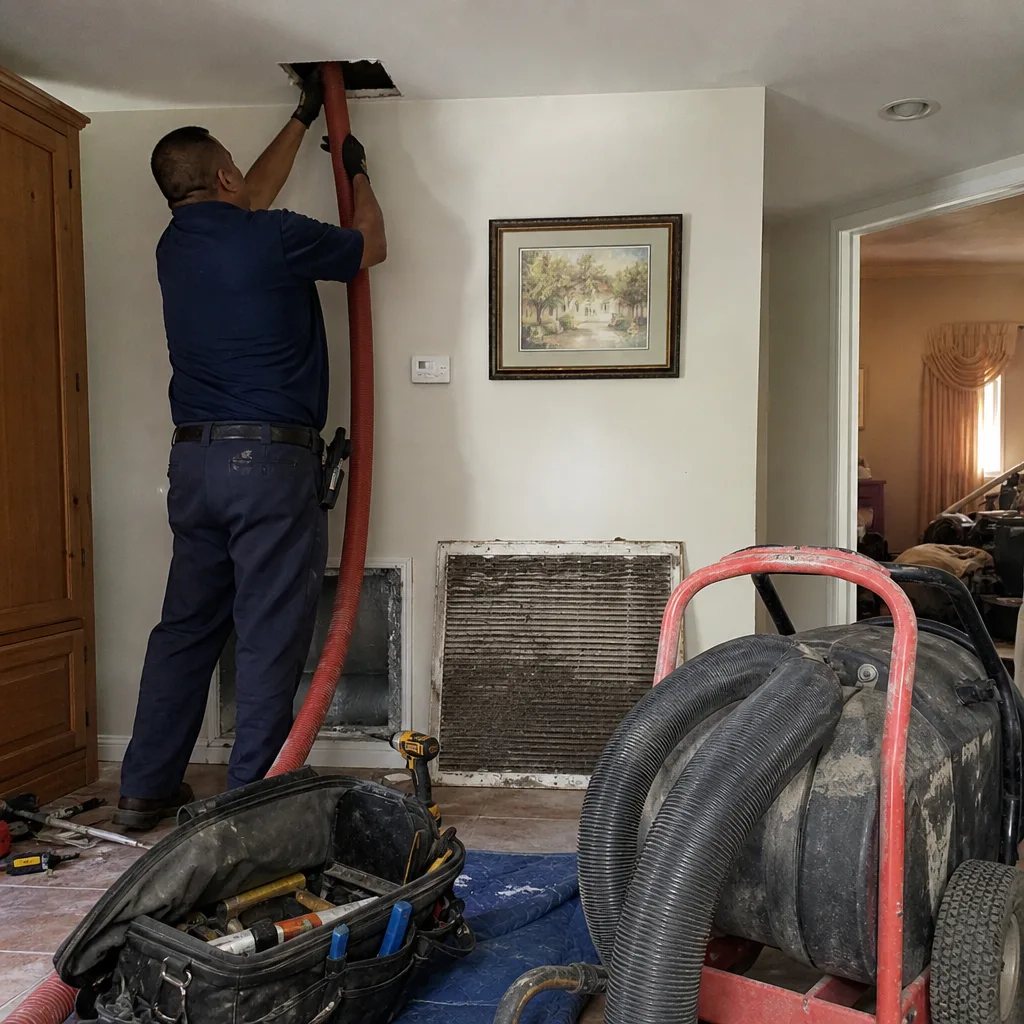
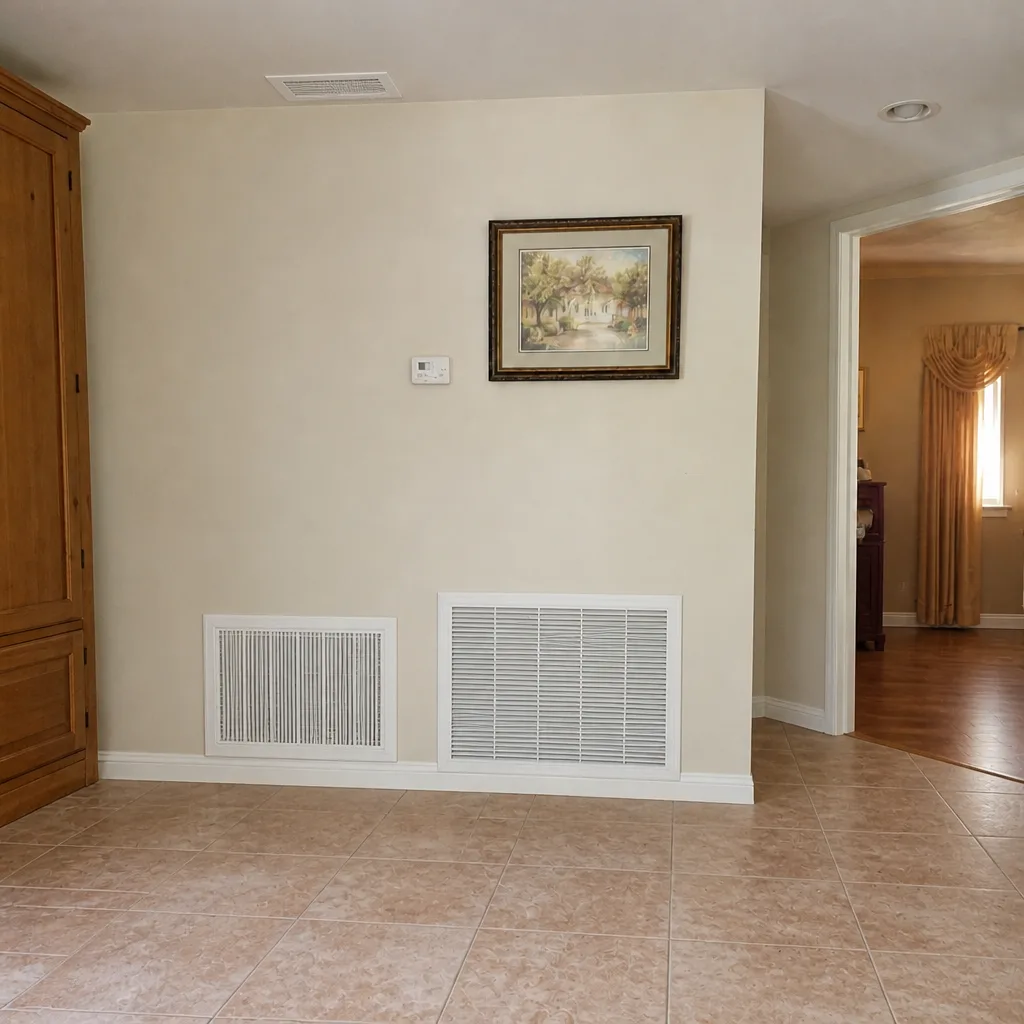
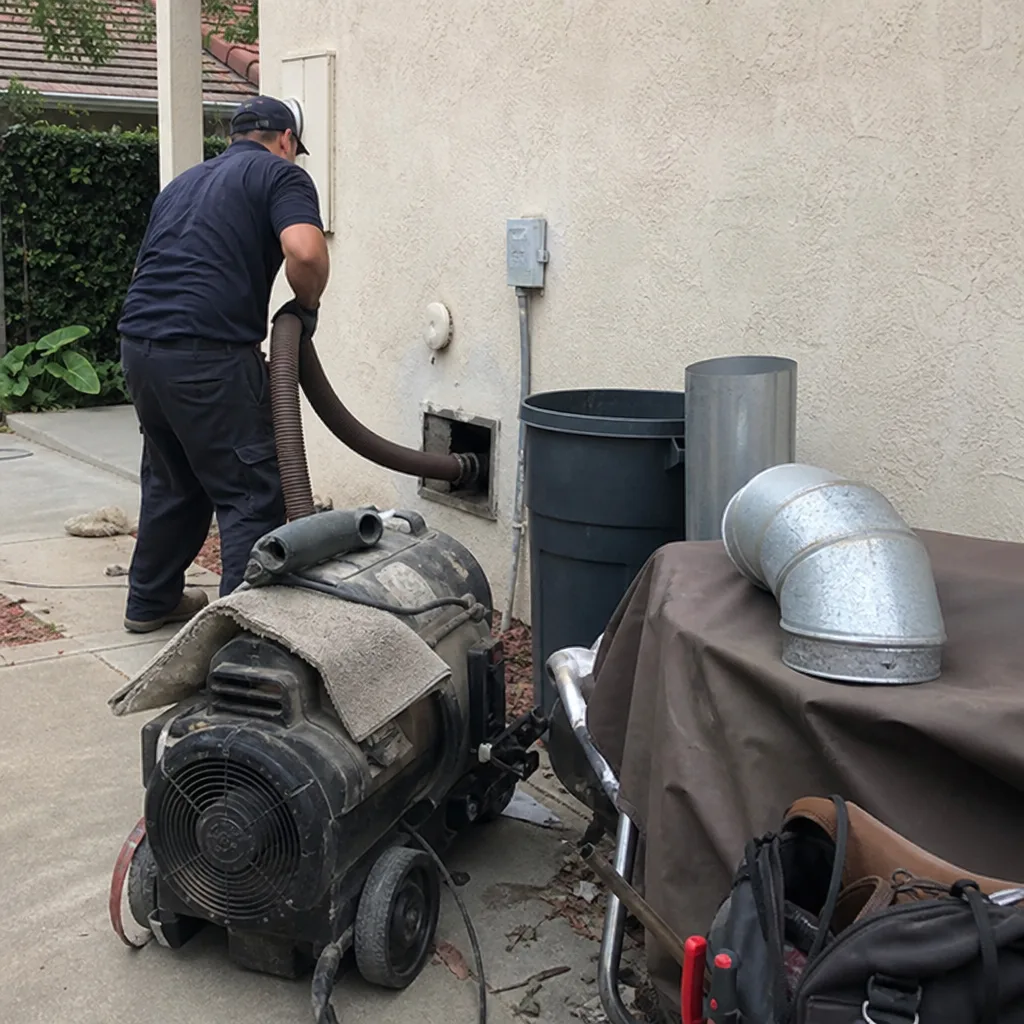
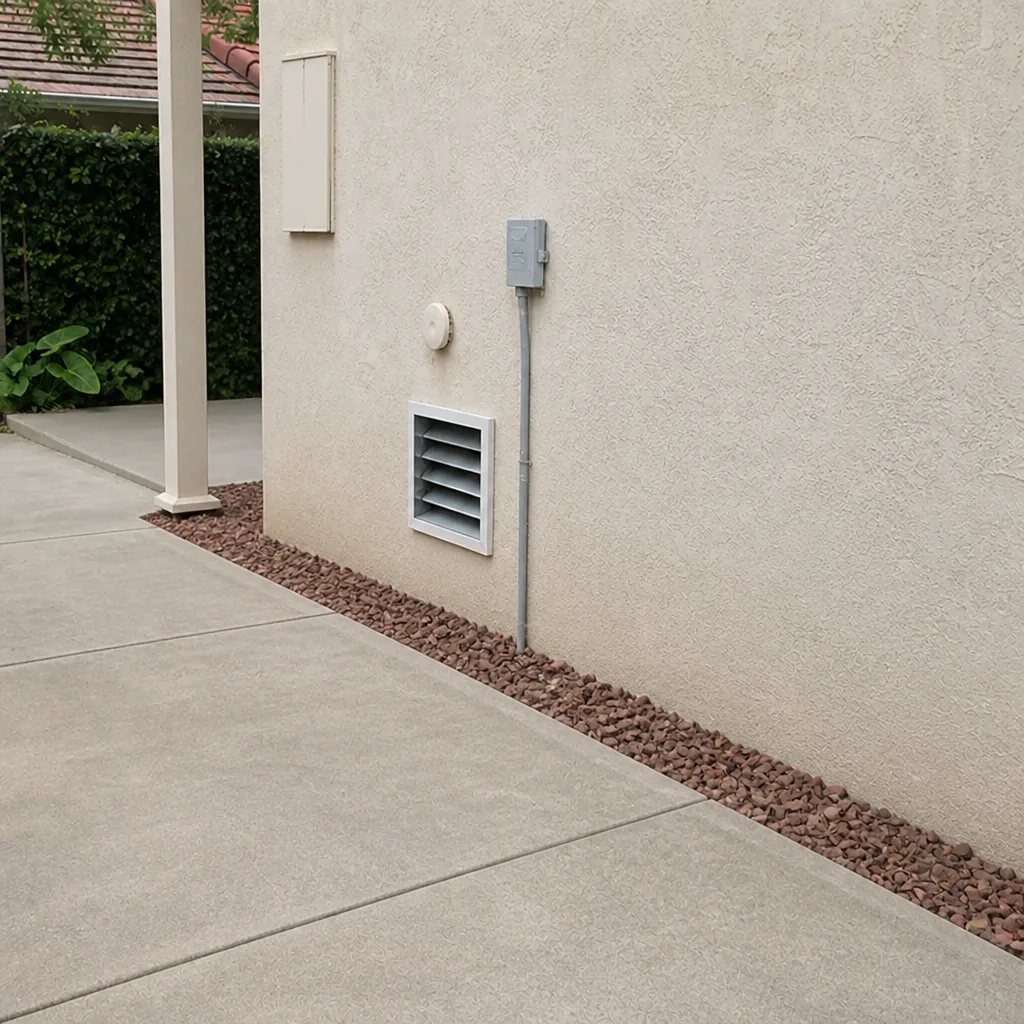
Whole-system duct and dryer vent check with before-and-after photos - you see exactly what came out of your vents
That "$99 whole-house special" is a bait ad - the real number appears once they are in your hallway, or the "clean" is a shop-vac at the register. We photograph the inside of your ducts before and after instead.
DIY vs Professional Air Duct Cleaning: The Costa Mesa Homeowner’s Decision Guide
A shop vac and a dryer vent brush can clean the first 18 inches of your supply register. The other 200 linear feet of your duct system requires equipment a homeowner cannot rent. That gap is the entire decision, and most of the internet gets it wrong by framing DIY duct cleaning as either dangerous or worthless. It’s neither. DIY is genuinely useful for a narrow band of surface maintenance, and it’s structurally incapable of reaching the bonded contamination that actually degrades air quality in a Costa Mesa home. Knowing exactly where that line falls is what this guide is for. We’ll walk through what DIY reaches, what it can’t, where it helps, where it backfires, and how to run the cost math honestly.
Quick Answer
DIY air duct cleaning is worth doing for register grilles, accessible boot interiors, filter housing wipe-downs, and routine dryer vent lint removal, but it cannot clean the interior duct runs where dust, debris, and biological growth actually accumulate. Professional cleaning is the right call when you’re seeing visible debris blowout, musty odors, post-renovation dust throughout the system, or any suspected mold, because those conditions require negative-air containment and contact agitation that consumer equipment can’t produce.
Styles & brands we work with
- Whole-home duct cleaning
- Dryer vent cleaning
- Camera inspection
- Sanitizing & deodorizing
Table of Contents
- What DIY Air Duct Cleaning Actually Reaches
- The Equipment Reality Check: Why Consumer Vacuums Can’t Do This
- When DIY Is Genuinely the Right Call in Costa Mesa
- When DIY Causes More Harm Than Good
- The Cost-Benefit Framework: DIY vs Professional
- How Professional Duct Cleaning Actually Works, Step by Step
- Costa Mesa Factors That Change the Calculation
- Common Mistakes to Avoid
- When to Call a Professional
What DIY Air Duct Cleaning Actually Reaches
Start with an honest map of what a homeowner can physically access. In a typical Costa Mesa house, whether that’s a 1960s ranch in Mesa del Mar or a townhome near South Coast Metro, the duct system is mostly hidden behind drywall and under flooring. What’s reachable is the outer edge of the system: the register grilles, the short boot section just behind each register, the flexible connector where the boot meets the trunk, and the return air filter housing. That’s it. That’s the DIY zone.
Here’s what that zone contains, and why it matters:
- Register grilles: These collect a visible layer of dust, lint, and pet hair because they’re the first surface air hits on the way out. Wiping them takes minutes and genuinely improves the look and smell of a room.
- Accessible boot interiors: Behind the grille, the boot is a short metal or flex section. You can reach the first several inches with a brush or vacuum wand. This is where construction dust from a recent remodel often settles first.
- Return filter housing: The return air plenum and filter slot collect dust that bypasses the filter media. A wipe-down here keeps the filter seating clean and helps the filter do its job.
- Dryer vent lint at the dryer connection: The short run from the dryer to the wall is reachable and worth keeping clear, even before you consider the full vent run.
None of that is worthless. A homeowner who wipes registers and clears the accessible boot interiors every few months is doing real maintenance, and the house smells and looks better for it. But it is not a cleaning of the duct system. It’s a cleaning of the duct system’s edges. The contamination that drives air quality complaints lives further in, on the trunk lines, the branch runs, the interior of flexible duct, and the air handler cabinet. Reach matters more than effort here.
The Equipment Reality Check: Why Consumer Vacuums Can’t Do This
A shop vac pulls maybe a fraction of the suction a professional system produces, but the suction is only half the problem. The bigger issue is pressure and airflow at the point of contact. Consumer vacuums move a lot of air at low static pressure, which is fine for picking up loose debris on a flat floor. Duct interiors are a different environment: accumulated dust is often bonded to the duct wall by moisture, static, or long-term settling, and it will not lift off with a gentle draw. It needs to be agitated mechanically while the system holds the surrounding area under negative pressure.
The professional approach is fundamentally different in two ways:
- Mechanical contact agitation. Rotating brush heads and air whips are fed into the duct run and physically break the bond between debris and duct wall. The debris becomes airborne, and only then can it be captured.
- Negative pressure across the whole system. A high-volume negative-air unit is connected at the main trunk or air handler, holding the entire duct system under constant vacuum while the technician works each branch. The dust that gets knocked loose is pulled toward the capture point instead of settling back into the rooms.
We use Rotobrush and Nikro equipment for exactly this reason. Rotobrush supplies the contact-brush side of the process; Nikro supplies the high-volume extraction side. Together they replicate what a truck-mounted negative-pressure system does without running a giant hose through your front door. For jobs that involve more than routine dust, we also bring Abatement Technologies negative-air containment, which is the same category of equipment used in mold and contaminant remediation. It seals off the work area and keeps the air in the surrounding rooms clean while the system is opened up.
Here’s the uncomfortable truth about consumer equipment: you can do a lot of surface work with it, but you cannot create the pressure differential required to clean. No amount of elbow grease substitutes for a machine designed to hold a whole duct system under vacuum.
When DIY Is Genuinely the Right Call in Costa Mesa
DIY is not the wrong answer every time. There’s a real category of work where the visit cost and the setup time of a professional job exceed the benefit, and that’s fine to admit. Here’s when the DIY route makes sense:
- Post-renovation dust at the registers. If you just finished a small remodel and the only symptom is dust blowing out of grilles when the system runs, wiping the grilles and vacuuming the accessible boots will clear it. If dust continues to blow for days after that, the trunk lines picked up drywall dust and a professional cleaning is warranted. Drywall dust is fine and abrasive; it settles deep and will keep circulating.
- Filter housing wipe-downs. A monthly wipe of the return filter slot and plenum keeps the filter sealing clean and extends the life of the media. Straightforward DIY, no equipment beyond a vacuum and a rag.
- Dryer vent lint at the connection. Clearing the short lint run between the dryer and the wall is maintenance, and it matters for dryer efficiency. If you haven’t cleaned the full vent run in a long while, that’s a professional job, and it falls under dryer vent cleaning rather than duct cleaning.
- Seasonal register wipe-downs. Wiping grilles before the first hot stretch of the year keeps the visible dust load low with almost no effort.
Costa Mesa runs on mild weather and heavy ceiling fan use, so the registers and returns stay active all year. That means register-level dust accumulates faster than in colder climates where the system gets a long winter break. A wipedown every few months is a reasonable habit, and it delays the point at which you’d want a professional visit.
When DIY Causes More Harm Than Good
Where DIY goes wrong is predictable, and we’ve seen the aftermath in Costa Mesa homes. The failures tend to fall into the same handful of categories:
- Disturbing friable insulation in older flex duct. If your home was built before the 1990s, some of the flexible duct may have degraded interior lining. Pushing a brush into it can flake that lining into the airstream. Now the system is delivering fiberglass particles into the rooms, and the fix is a professional cleaning plus a duct repair, not another pass with a vacuum.
- Spreading mold spores without containment. If you suspect microbial growth in the system, a home vacuum without HEPA-level exhaust and negative-air containment can broadcast spores through the house. That’s the scenario where the Abatement Technologies containment matters most.
- Dislodging loose duct connections. Flex duct joints come apart easily. A shop vac wand caught on a joint, or a brush pushed too far, can pull the inner liner free from the collar. Reconnecting it isn’t difficult, but the dust that releases in the process goes straight into the rooms and often hides the connection until airflow drops in that room.
- Pushing debris deeper. Consumer vacuums knock debris loose but often don’t capture it. The result is dust relocated from the duct wall into the return plenum, the filter, or the air handler cabinet.
None of these are catastrophic, but each turns a $0 afternoon into a professional job plus a repair. The pattern is consistent enough that we’ve stopped being surprised by it. If there’s visible mold, musty odor that gets worse when the system runs, or a home with suspected degraded duct lining, DIY is off the table.
The Cost-Benefit Framework: DIY vs Professional
The math isn’t just the professional quote versus $0. Here’s the honest breakdown, using typical ranges for full-system residential work in the Costa Mesa market. Every home is different, and the written estimate sets the final price.
Typical whole-home ranges in Costa Mesa
- Full-system air duct cleaning (typical single-family home): $380 to $750
- Post-renovation cleaning with containment: $550 to $1,000 or more, depending on system size and debris load
- Dryer vent cleaning (full run): $120 to $220
- Air quality sanitizing (Guardsman treatment added to a cleaning): $150 to $350
- Duct repair and sealing (small breach): $150 to $400 per section, depending on access
What DIY actually costs is the equipment, the time, and the risk of a follow-up professional job. A homeowner who does the surface work properly is out a Saturday afternoon and maybe $50 in a decent shop vac attachment. A homeowner who pushes a brush into degraded flex duct is out the professional cleaning plus a repair section, and they still don’t have clean ducts. That’s the asymmetry worth understanding.
The cheapest version of this is doing the surface maintenance yourself and scheduling professional cleaning on the right interval for your home. The most expensive version is the DIY attempt that ends with a repair bill. Using a mid-range $380 to $750 professional cleaning as a baseline, the margin between the smarter and the costlier DIY path is often $400 or more once the repair is factored in. Call (855) 337-2150 for a free estimate if you want a real number for your home rather than a range.
When a professional visit pays for itself
- Visible debris blowing out of registers that won’t clear after grille wipe-downs
- Persistent musty odor that gets stronger when the HVAC runs
- Allergy or asthma symptoms that flare up indoors and drop when the system is off
- Recent renovation involving drywall, sanding, or major demolition
- Move-in cleaning for a home with renovation history you don’t fully know
Those conditions are the criteria. If none of them apply and the registers just look a little dusty, the DIY wipe-down is genuinely sufficient.
How Professional Duct Cleaning Actually Works, Step by Step
The process is not mysterious, but it is sequential, and the sequence is why it works. Here’s what a proper air duct cleaning involves:
- Inspection and photo documentation. Before any cleaning, the technician inspects the system and photographs what they find. You see the condition of the ducts before work begins, so the scope of the job is grounded in visible evidence.
- Containment setup. Negative-air equipment is positioned to hold the work area under vacuum. If the job involves mold, allergen, or post-construction contamination, Abatement Technologies containment goes in first, so the surrounding rooms stay clean while the system is opened.
- Contact cleaning of each branch. Rotobrush rotating brush heads are fed through each duct run, breaking the bond between debris and the duct wall. Branch by branch, every reachable run gets addressed, not just the ones near the registers.
- System-wide negative-pressure extraction. Nikro high-volume extraction pulls the released debris toward a capture point at the main trunk while the contact cleaning continues. This is what separates a real cleaning from a knock-loose-and-hope approach.
- HVAC component cleaning. The blower, coils, and air handler internals are cleaned while the system is open. Duct cleaning without cleaning the air handler leaves a major debris source behind, which is why HVAC cleaning travels with duct cleaning in our process.
- Repair and sealing as needed. Any breached joint, torn flex section, or loose collar found during the inspection gets repaired and sealed before the system is closed back up.
- Sanitizing. Guardsman sanitizing products are applied as a named, traceable disinfection step at the close of the job, not an unnamed spray.
- After photo documentation. Post-cleaning photos show what the ducts look like when the work is done.
The whole pathway gets treated in one visit: ducts, dryer vent, HVAC components, repairs, and sanitizing. That sequencing is the reason professional cleaning is a different category of work, not a more expensive version of the same thing. We can also install a Honeywell or Aprilaire filtration or humidity solution the same day the ducts are cleaned if the filter housing or humidity control needs upgrading; those are available for homes in Costa Mesa and the surrounding area but are a separate conversation from the cleaning itself.
Costa Mesa Factors That Change the Calculation
Costa Mesa homes have some specific characteristics that shape the DIY-versus-professional decision. We’ve seen enough systems in this city to know the patterns.
- Housing age and duct materials. The city has a broad mix of mid-century ranch homes (Mesa del Mar, the Westside, Eastside) and newer construction and townhomes (South Coast Metro, the area around South Coast Plaza). The mid-century homes often have ductwork that’s been altered, extended, or partially re-lined over the decades. That history matters when you’re deciding whether to push a brush into a run you can see versus one you can’t.
- Remodel activity. Costa Mesa has steady renovation turnover, and post-renovation dust is the single most common reason people call us. Drywall dust is fine and travels deep into a system. It’s the case where DIY post-renovation cleanup handles the registers but misses the trunk lines, and the gap is usually visually obvious within a week of the remodel ending.
- Allergen load. Mild weather means long allergy seasons here. If someone in the home has asthma or seasonal allergies that flare up indoors, the air pathway is a reasonable place to inspect. That usually means a professional cleaning before considering a filtration upgrade.
- Mild, dry climate. Cooler, drier months mean the system gets used for heating and cooling with less condensation in the ducts, which is generally good. It also means dust stays loose longer than in a humid climate, so the interval between cleanings can be longer in homes without pets or recent renovation.
- Multi-unit and shared-wall considerations. Townhomes and attached housing in Costa Mesa sometimes share framing cavities, which affects how much negative pressure helps during cleaning. It also makes the case for proper sealing after cleaning more relevant.
The bottom line on local factors: Costa Mesa homes vary enough that a generic answer is almost never right. A South Coast Metro townhome and a Westside ranch home have different duct histories, different challenges, and different reasonable intervals. That’s a conversation worth having rather than a formula to apply.
Common Mistakes to Avoid
- Assuming “I can reach it” means “I can clean it.” The first 18 inches of a supply register is reachable and cleanable. The 30 feet of trunk line behind it is not. Two sentences of grille cleaning don’t address contamination in the runs.
- Pushing a shop vac wand past the boot in an older home. The next section is often flexible duct with an interior liner. If it’s degraded, contact from a rigid wand can flake the lining. Stop at the access point.
- Running a consumer vacuum into the return plenum without containment. If there’s any suspicion of mold or heavier contamination, doing this without negative-air containment spreads spores into the surrounding rooms. The job requires Abatement-grade equipment, not a shop vac.
- Using a fogger or “duct sanitizing” aerosol from a hardware store as a substitute for cleaning. Sanitizing doesn’t remove debris; it treats surfaces that are already clean. We use Guardsman sanitizing products as the final step after the system is cleaned, not as a shortcut around it.
- Assuming a cheap coupon cleaning is a real cleaning. A low headline price with per-vent add-ons and a short visit that only touches the registers isn’t a full-system cleaning. The tell is whether you see photos of your ducts before and after, and whether the price was set per system before work started.
- Skipping the dryer vent run because the reachable lint is clear. The short connection near the dryer is not the whole vent. The full run between the dryer and the exterior termination is where lint buildup becomes a problem.
- Cleaning ducts but not the air handler. The blower and coils hold debris that keeps circulating after the ducts are cleaned. If a professional cleaning doesn’t include the air handler, ask why.
Most of these come down to the same thing: knowing what the tool in your hand is actually accomplishing. A shop vac is a genuinely useful tool for surface work. It is not a duct cleaning machine.
When to Call a Professional
Call a professional if any of these describe your situation: visible dust or debris blowing out of registers more than a week after you cleaned the grilles; a musty or stale smell that gets stronger when the HVAC runs; allergy or asthma symptoms that spike indoors; recent renovation involving drywall dust, sanding, or demolition; a home you’ve just moved into with uncertain service history; or any suspicion of mold or degraded duct lining. Those situations need contact agitation, negative pressure, and often containment, and none of that is a shop vac job.
Costa Mesa Air Duct Cleaning Co offers free estimates in Costa Mesa. Call (855) 337-2150. We answer 24/7. Fast dispatch from 7am to 7pm, Sunday through Friday. Our technicians have up to 9 years of experience, and we use Rotobrush and Nikro equipment on every cleaning, not just the equipment that fits through a register. You see before-and-after photos of your own ducts, the local pro is licensed and insured as their state requires, and you get one flat price per system set by the written estimate before any work begins.
See the difference
 Before
 After
 Before
 After
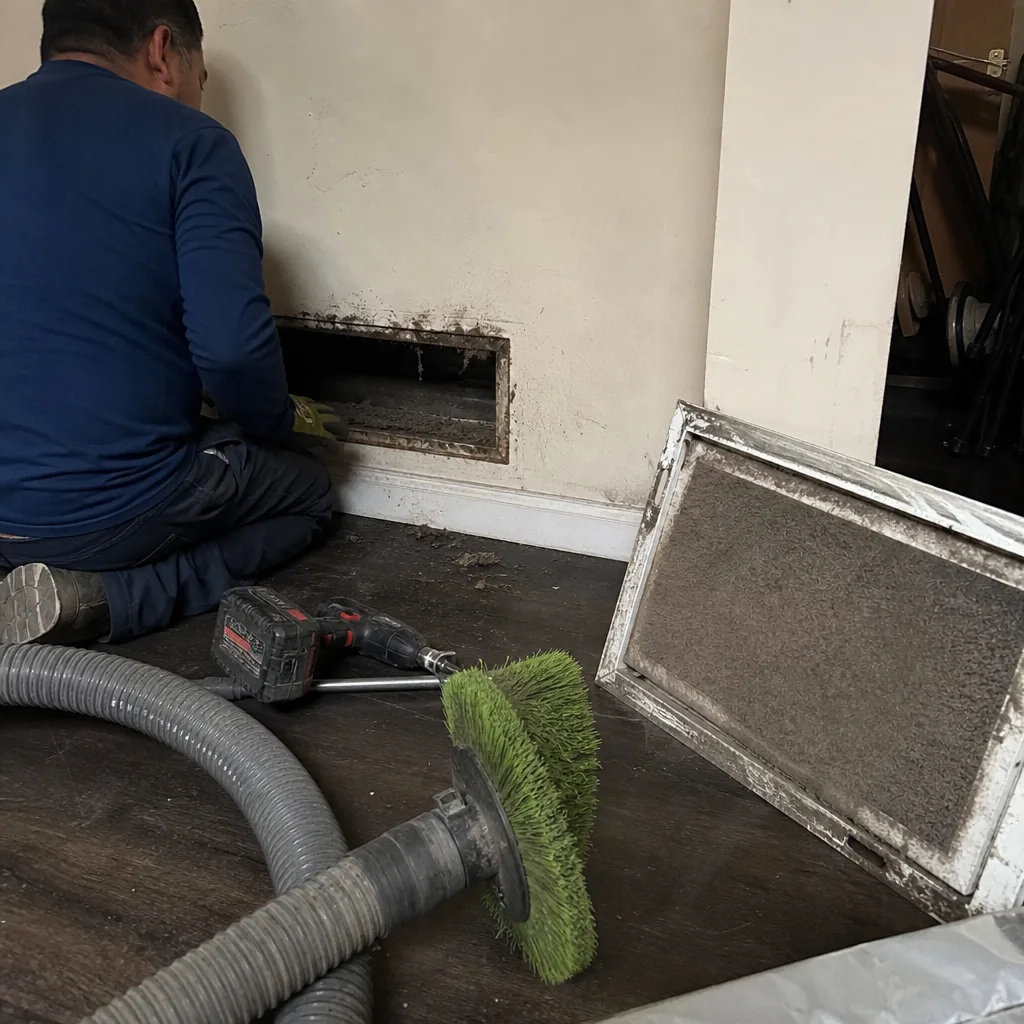 Before
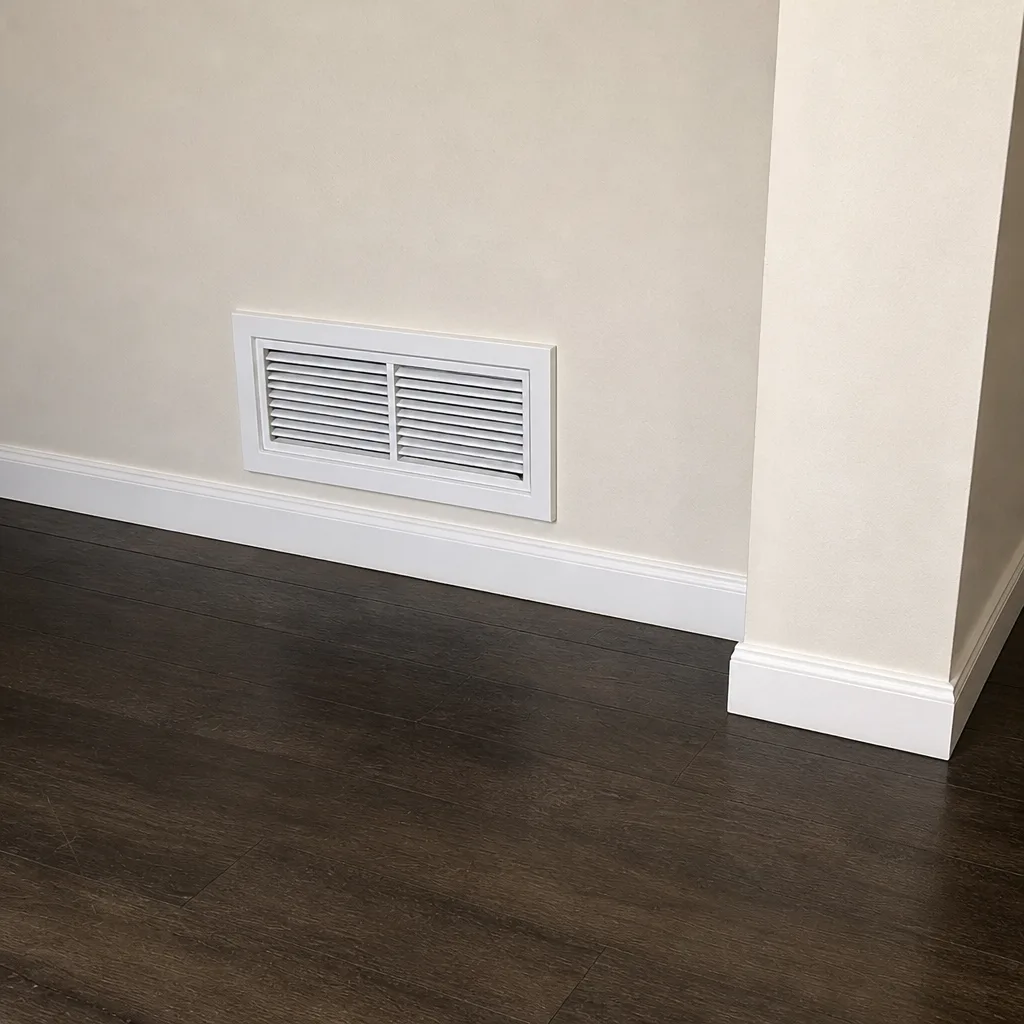 After
Frequently Asked Questions
You can clean the register grilles, the accessible boot interiors, the return filter housing, and the short lint run at the dryer connection with a shop vac, and that surface work is worth doing. You cannot clean the trunk lines, branch runs, or air handler with a shop vac because the equipment does not produce the negative pressure or the contact agitation required to remove bonded debris. Call (855) 337-2150 for a free estimate if the surface work isn’t clearing the problem.
Typical whole-home air duct cleaning in the Costa Mesa market runs $380 to $750, post-renovation cleaning with containment runs $550 to $1,000 or more depending on system size, and a full dryer vent cleaning runs $120 to $220. Those are typical ranges; the written estimate sets the final price. Call (855) 337-2150 for a free estimate specific to your home.
Some quotes are cheaper because they’re shorter jobs that only touch the accessible parts of the system, and some use per-vent pricing where the base price becomes a much larger invoice once the technician is on site. A real cleaning is a flat price per system agreed before work starts, with before-and-after photos of your own ducts to confirm what was actually cleaned. Call (855) 337-2150 for a free estimate that doesn’t move once work begins.
Ask for before-and-after photos of your own duct interiors, not stock photos or before-and-afters from a different job. A real cleaning operation is comfortable showing you what the ducts looked like when they arrived and what they looked like when they finished. We take both sets of photos on every job. Call (855) 337-2150 for a free estimate.
Most homes in Costa Mesa do not need a professional cleaning on a fixed schedule; the honest answer is to clean when there’s a reason. Homes with pets, recent renovation, allergy concerns, or a move-in with unknown service history benefit from cleaning sooner, while a quiet home with clean registers and no symptoms can go several years between cleanings. Call (855) 337-2150 if you’re unsure which category your home fits.
It can in three specific ways: pushing a brush into degraded flex duct can flake the interior lining into the airstream, spreading mold spores without negative-air containment can push contamination through the house, and forcing a wand into a loose duct connection can pull the inner liner free from its collar. Each of those turns a DIY afternoon into a repair plus a professional cleaning. Call (855) 337-2150 if you suspect any of these has happened.
The Bottom Line
The DIY-versus-professional question isn’t about safety or laziness. It’s about reach. DIY duct work in a Costa Mesa home is genuinely useful for register grilles, accessible boot interiors, return filter housings, and dryer connection lint, and it’s structurally incapable of reaching the trunk lines, branch runs, and air handler where contamination actually degrades air quality. The right move is to do the surface maintenance yourself and call a professional when you see visible blowout, smell musty odor, suspect mold, or finish a renovation. That’s the decision, and the interval between professional cleanings should be driven by symptoms and history, not a fixed calendar. If you want the full pathway handled in one visit – ducts, dryer vent, HVAC components, repairs, and sanitizing – Costa Mesa Air Duct Cleaning Co offers free estimates in Costa Mesa. Call (855) 337-2150. We answer 24/7. Fast dispatch from 7am to 7pm, Sunday through Friday. Our technicians have up to 9 years of experience, we use Rotobrush and Nikro equipment, and we show you what we find before we clean it, and after.
Written by the team at Costa Mesa Air Duct Cleaning Co.